Best Baby Sleep Supplements Parents Trust for Restful Nights
You can trust Hyland’s Kids Melatonin-Free Sleep & Immunity Liquid for children aged 2 and up, offering a grape-flavored, USDA Organic formula that supports rest and immunity without melatonin, sugar, or artificial additives. Pink Stork Baby Sleep Drops and Ddrops provide gentle, organic options for infants 4 months and older, using single-drop or 1 mL dosing with calming botanicals. For non-ingestible support, Zarbee’s Baby Sleep Spray uses lavender and chamomile in a safe, non-toxic mist. Topical choices like Mommy’s Bliss Paci Gel or Oilogic’s roll-on apply easily to pacifiers or skin with soothing, plant-based ingredients. Many top picks are allergen-free, gluten-free, and third-party tested, prioritizing safety and purity. Choosing the right supplement means matching your child’s age, needs, and comfort with evidence-backed ingredients-your next steps can build on this foundation.
We are supported by our audience. When you purchase through links on our site, we may earn an affiliate commission, at no extra cost for you. Learn more. Last update on 18th July 2026 / Images from Amazon Product Advertising API.
Notable Insights
- Parents trust melatonin-free options like Hyland’s and Pink Stork, formulated with organic chamomile and lemon balm for safe infant sleep support.
- Many prefer USDA Organic and third-party tested supplements such as Ddrops and Nature’s One, ensuring purity and quality for babies 4 months and up.
- Top picks include easy-to-administer liquid drops and pacifier gels, like Mommy’s Bliss, designed for fuss-free bedtime routines.
- Allergen-free, non-GMO, and vegan formulations are highly valued, with brands like Zarbee’s and Oilogic meeting strict safety standards.
- Pediatrician-recommended products, such as Zarbee’s and Magnesium Lotion for Kids, offer gentle, evidence-backed ingredients for restful, natural sleep.
Hyland’s Kids Melatonin-Free Sleep & Immunity Liquid

Who should skip melatonin but still needs help with bedtime routines and immune support? I’ve found Hyland’s Kids Melatonin-Free Sleep & Immunity Liquid helps my child wind down without relying on hormones. It’s USDA Organic, sugar-free, and made in the US, so I trust what I’m giving. With magnesium, vitamin D, zinc, and elderberry, it supports both calmness and immune health. Organic chamomile, lemon balm, and passionflower ease occasional sleeplessness gently. The grape flavor tastes good, and my 3-year-old drinks it willingly. It’s gluten-free, has no synthetic dyes, and works well as part of our nightly routine.
Best For: Parents seeking a melatonin-free, organic liquid supplement to support their child’s sleep and immune health without synthetic additives.
Pros:
- USDA Organic, sugar-free, and gluten-free formula with natural ingredients like chamomile, lemon balm, and passionflower to gently promote relaxation
- Supports both sleep and immune health with key nutrients including magnesium, vitamin D, zinc, and organic elderberry
- Palatable grape flavor that children enjoy, making nightly routine easier for kids aged 2 and up
Cons:
- May not be effective for children with severe or chronic sleep issues requiring stronger intervention
- Liquid format may be less convenient for travel compared to gummies or tablets
- Contains botanicals that, while gentle, could potentially cause sensitivities in some children
Pink Stork Baby Sleep Drops (1 oz)

If you’re looking for a gentle, natural option to help your infant or toddler fall and stay asleep without melatonin, Pink Stork Baby Sleep Drops offer a safe daily solution starting at four months old. I’ve found these 1 oz drops easy to use-just 1 mL on the inner cheek or mixed into milk. With chamomile, lemon balm, passion flower, magnesium citrate, and vitamin D, they support calmness, digestion, and immune health. Free from gluten, dairy, and artificial additives, they’re third-party tested and mango-flavored, which helps with picky eaters. Made by a women-led team, they’re part of a broader line that includes probiotics and vitamins, so you can build a full nighttime routine.
Best For: Parents seeking a natural, melatonin-free sleep aid for infants and toddlers aged four months and up to support restful, uninterrupted sleep.
Pros:
- Supports calmness and sleep with natural ingredients like chamomile, lemon balm, and passion flower
- Free from gluten, dairy, GMOs, and artificial additives, making it suitable for sensitive systems
- Mango flavor and easy administration make it appealing and convenient for picky eaters
Cons:
- Only suitable for children four months and older, limiting use for younger infants
- Liquid form may be less portable than solid supplements for travel
- Limited to one flavor option, which may not suit all children’s preferences
Mommy’s Bliss Organic Baby Bedtime Paci Gel

When looking for a natural way to support your baby’s sleep without melatonin or synthetic additives, Mommy’s Bliss Organic Baby Bedtime Paci Gel stands out for infants 2 months and older. I apply a pea-sized amount to my baby’s pacifier before naps or bedtime, and it delivers a calming blend of organic chamomile, passionflower, and lemon balm. It’s mess-free, easy to use, and free of alcohol, gluten, and top allergens. USDA Certified Organic and NSF Certified, it’s made in the USA with trusted quality. Founded by a pediatric nurse and mom, the brand offers a 100% satisfaction guarantee, giving me real peace of mind.
Best For: Parents seeking a natural, melatonin-free sleep aid for infants 2 months and older using organic, allergen-free ingredients.
Pros:
- Contains calming organic herbs like chamomile, passionflower, and lemon balm to support natural sleep
- USDA Certified Organic and NSF Certified for quality, safety, and label accuracy
- Easy, mess-free application via pacifier or fingertip, free of alcohol, gluten, and top 9 allergens
Cons:
- May not be effective for babies with severe sleep issues or underlying conditions
- Requires a pacifier for recommended use, which may not suit all babies
- Limited availability compared to conventional baby sleep products
Zarbee’s Gentle Bedtime Gummies for Kids
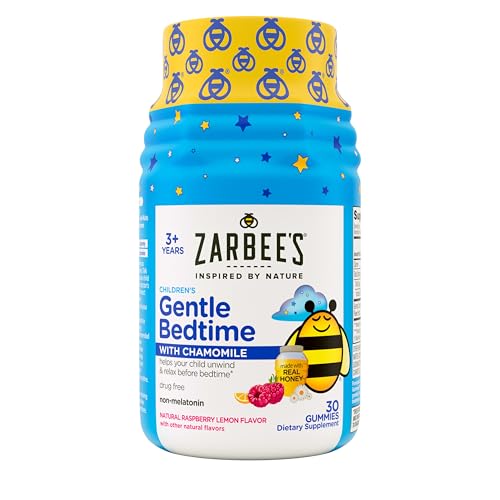
Looking for a bedtime aid that’s both gentle and free of melatonin? I’ve found Zarbee’s Gentle Bedtime Gummies for Kids helpful for easing my child into sleep without relying on drugs or synthetic additives. They’re made with natural honey and chamomile, which have soothing properties, and come in a tasty raspberry lemon flavor kids enjoy. Since they’re melatonin-free and contain no artificial ingredients, gluten, or gelatin, I feel comfortable using them occasionally. They’re also free from common allergens like milk, eggs, soy, and nuts, making them a practical choice for sensitive kids. Developed by a pediatrician, Zarbee’s is the top pediatrician-recommended sleep support brand-though individual results may vary.
Best For: Parents seeking a melatonin-free, natural bedtime aid for children with sensitivities to common allergens and artificial ingredients.
Pros:
- Formulated with natural honey and chamomile for gentle calming support
- Free from melatonin, drugs, artificial flavors, artificial sweeteners, gluten, and gelatin
- Suitable for children with common food allergies, as it’s free from milk, eggs, soy, nuts, and other top allergens
Cons:
- May be less effective for children needing stronger sleep support due to the absence of melatonin
- Contains honey, which is not recommended for children under 1 year old
- Occasional use only, not intended for long-term or chronic sleep issues
Ddrops Baby Bedtime Drops (60 Count)

I find Ddrops Baby Bedtime Drops work best for parents seeking a natural, no-mess option to support calm sleep in infants 4 months and older, especially when avoiding melatonin or sugar is a priority. These organic drops combine chamomile and fennel-traditionally used for relaxation and digestive comfort-into a clean, allergen-free formula. Each dose is just one drop, placed on a finger or pacifier, so there’s no syringe hassle or sticky residue. The 60-count bottle delivers precise amounts, though it may look partially full by design. I appreciate the focus on safety, simplicity, and gentle bedtime support, making it a practical choice for nightly routines.
Best For: Parents seeking a natural, mess-free bedtime supplement to support calm and relaxation in infants 4 months and older without melatonin, sugar, or common allergens.
Pros:
- Organic formula with chamomile and fennel to support natural relaxation and digestive comfort
- One-drop dosage eliminates mess and simplifies administration-no syringes or sticky residues
- Free from melatonin, sugar, alcohol, glycerin, syrups, and the top nine allergens for a safe, clean option
Cons:
- Only one drop per dose may lead to perceived slow or subtle effects
- Bottle may appear partially full, causing confusion about quantity despite precise dosing
- Limited to 60 doses, which may require frequent repurchasing for nightly use
Kids Fast Asleep Organic Herbal Sleep Support

This gentle liquid herbal supplement works best for parents seeking a natural sleep aid for children who struggle with settling down at bedtime. I use a blend of five Certified Organic herbs-Passionflower, California Poppy, Lemon Balm, Chamomile, and Catnip-formulated by herbalists to support calm sleep shifts. It’s alcohol-free, sugar-free, gluten-free, and vegan, with a sweet taste kids accept easily. I recommend dosing about an hour before bed, with a second dose if needed. Each 1 oz bottle gives up to 132 servings, sized by your child’s weight. Made in the USA by a trusted herbal brand with 45+ years of experience, I’m Regenerative Organic Certified and crafted for safety, quality, and fast absorption.
Best For: Parents seeking a natural, organic sleep aid to help children gently transition into restful sleep at bedtime.
Pros:
- Made with Certified Organic, alcohol-free, sugar-free, gluten-free, and vegan ingredients for clean, safe support
- Features a blend of five calming herbs formulated by expert herbalists for effective sleep promotion
- Fast-absorbing liquid with a sweet, kid-friendly taste and up to 132 servings per bottle
Cons:
- Dosage varies by weight, which may require careful measurement and tracking for accurate administration
- Contains Catnip and California Poppy, which some parents may be hesitant to give despite their safety in children
- Effectiveness may vary by child, and may require consistent use to observe noticeable results
Zarbee’s Baby Sleep Spray (2oz)

While not a supplement in the traditional sense, Zarbee’s Baby Sleep Spray (2oz) works best for parents seeking a non-ingestible, natural option to support their infant’s sleep routine from birth onward. I’ve found it helpful to spray this lavender and chamomile blend into the air during bedtime prep, creating a calming atmosphere. It’s free from artificial fragrances, parabens, and petroleum, which gives me peace of mind. Developed by a pediatrician, it’s part of a trusted brand recommended by many. Though not FDA-evaluated, its simple use and gentle formula make it a low-risk addition to a consistent sleep routine.
Best For: Parents seeking a natural, non-ingestible sleep aid to help establish a calming bedtime routine for infants from birth onward.
Pros:
- Made with natural lavender and chamomile to promote a soothing atmosphere
- Free from artificial fragrances, parabens, and petroleum
- Pediatrician-developed and recommended brand for infant sleep support
Cons:
- Not FDA evaluated for safety or efficacy
- Limited to ambient use, not a direct sleep solution for all infants
- May not be effective for babies unresponsive to aromatherapy
TruHeight Kids Sleep Tincture (Watermelon, Ages 2+)

A gentle nudge toward better sleep starts with TruHeight Kids Sleep Tincture, especially for children ages 2 and up who struggle to wind down or stay asleep through the night. I’ve found its low melatonin dose helps regulate sleep-wake cycles gently, while chamomile and lemon balm ease nighttime restlessness. The watermelon flavor makes it easy to give-one dropper 30 minutes before bed, mixed with juice or water. Organic elderberry and nutrients like vitamin B6, zinc, and copper support both sleep and immune health. It’s free from artificial additives, and since TruHeight is the #1 pediatrician-recommended brand for growth, I feel confident using it. I always check with my child’s doctor first.
Best For: Children ages 2 and up who have trouble falling or staying asleep and need gentle, natural sleep support with added immune and developmental benefits.
Pros:
- Supports restful sleep with a low dose of melatonin and calming herbal ingredients like chamomile and lemon balm
- Includes immune-supporting organic elderberry and essential micronutrients like vitamin B6, zinc, and copper
- Easy-to-use, great-tasting watermelon-flavored tincture that can be mixed with liquids and is free from artificial additives
Cons:
- Contains melatonin, which may not be suitable for all children or long-term use without medical supervision
- Requires consultation with a healthcare provider before use, which may delay starting
- Tincture format may be less convenient for travel or on-the-go use compared to pills or gummies
Magnesium Lotion for Kids Sleep & Calming

Have you noticed your child struggling to wind down at night, perhaps rubbing their legs or seeming anxious despite being tired? I’ve found magnesium lotion helps-mine contains magnesium chloride, which eases restless legs and growing pains without harsh ingredients. Lavender and chamomile add gentle calming effects, while coconut oil and shea butter moisturize delicate skin. The formula absorbs quickly, so it works well in our nightly routine without greasiness. I appreciate that it’s safe for daily use and free from irritants, making it ideal for babies and toddlers. It won’t replace medical treatment, but it supports relaxation and sleep readiness naturally.
Best For: Children, including babies and toddlers, who experience difficulty winding down at night or suffer from restless legs, growing pains, or mild anxiety.
Pros:
- Supports relaxation and healthy sleep patterns with natural ingredients like magnesium, lavender, and chamomile
- Provides gentle muscle relief and nourishes sensitive skin with coconut oil and shea butter
- Fast-absorbing, non-greasy, and safe for daily use without harsh additives
Cons:
- May not be effective for severe sleep disorders or medical conditions
- Scented with essential oils, which could be a concern for children with sensitivities
- Topical magnesium absorption varies and may not provide consistent systemic effects
Oilogic Sleep Roll-On for Babies

If you’re looking for a natural way to support your baby’s bedtime routine without harsh chemicals or synthetic additives, the Oilogic Sleep Roll-On offers a safe, plant-based solution designed specifically for infants and toddlers. I use it on my baby’s neck, chest, and feet each night-it’s mess-free and easy to apply. Made with calming lavender and chamomile essential oils, diluted in jojoba and grapeseed oil, it’s gentle for sensitive skin. It’s pediatrician-tested, vegan, cruelty-free, and free from parabens, phthalates, and artificial ingredients. I appreciate that it’s part of a simple four-step routine, enhancing nighttime comfort naturally.
Best For: Parents seeking a natural, chemical-free way to support their baby’s bedtime routine with gentle, pediatrician-tested essential oil blends.
Pros:
- Uses calming, 100% pure essential oils like lavender and chamomile to promote relaxation
- Safe for infants and toddlers, diluted with jojoba and grapeseed oil for gentle skin application
- Part of a holistic 4-step bedtime routine that enhances sleep naturally without synthetic additives
Cons:
- Essential oils may not be suitable for babies with specific sensitivities or allergies despite dilution
- Roll-on applicator may not deliver strong scent dispersion compared to diffusers
- Limited effectiveness for older toddlers who are highly active or have established sleep disruptions
Factors to Consider When Choosing Baby Sleep Supplements
You should always check if a sleep supplement is right for your baby’s age, since formulations can vary widely by developmental stage. Look closely at ingredient safety, allergen content, and the type of formulation-like liquid, powder, or roll-on-so you can pick one that’s easy to give and suits your routine. Keep things simple by choosing products with clear labels, minimal additives, and options that let you try a small amount first.
Age Appropriateness
Why do some baby sleep supplements carry age restrictions while others don’t? Because ingredients and dosages vary, and not all are safe for young, developing bodies. You should always check the manufacturer’s recommended age range-some products are made for babies 4 months and older, while others are meant for kids 2 years and up. Herbal extracts and essential oils can be too strong for children under 2, so formulations must match developmental guidelines. Dos viscosity also changes with age, with smaller amounts designed for younger children to prevent overconsumption. Regulatory certifications like USDA Organic or NSF sometimes include age-specific standards, especially for infants. Certain botanicals used for sleep may be restricted due to early sensitivity. Choosing an age-appropriate supplement guarantees safety and better results.. Always match the product to your child’s stage.
Ingredient Safety
Choosing a safe supplement starts with understanding what’s inside it. You should check that ingredients are free from milk, eggs, wheat, peanuts, soy, fish, shellfish, tree nuts, and sesame to lower allergy risks. Pick products labeled USDA Certified Organic or third-party tested-these confirm purity, correct labeling, and no synthetic additives. Avoid artificial flavors, colors, preservatives, alcohol, or high-fructose corn syrup, since they may harm your child’s developing system. Don’t use melatonin unless your healthcare provider recommends it, as long-term safety in young children isn’t well studied. Instead, look for plant-based ingredients like chamomile, passionflower, lemon balm, or properly dosed magnesium, all with strong safety records in babies and kids. These natural options support sleep gently. Always read labels carefully and compare formulations. When you choose wisely, you’re using a supplement that’s both effective and safe.
Allergen Considerations
While some baby sleep supplements may contain ingredients that trigger allergic reactions, many are made without the top nine allergens-milk, eggs, fish, shellfish, tree nuts, peanuts, wheat, soy, and sesame-to help protect sensitive infants. You’ll find options that are also gluten-free and non-GMO, offering extra safety if your child has celiac disease or food sensitivities. Look for products using plant-based, vegan-friendly ingredients, which avoid animal-derived components like gelatin or dairy. These are often gentler for babies with dietary restrictions. Non-allergenic formulas typically skip synthetic dyes, artificial flavors, and preservatives like parabens and phthalates, reducing potential irritants. If you choose aromatherapy-based aids, make sure essential oils are properly diluted with carrier oils to prevent skin irritation. Always check labels for certifications and test one product at a time to monitor your baby’s response.
Formulation Type
When it comes to getting your little one the rest they need, the form of sleep supplement you pick plays a key role in how well it works and how easily your child accepts it. Liquid drops and sprays give you precise, mess-free dosing and fast absorption, perfect for infants who can’t swallow pills. Gel or lotion forms deliver magnesium and calming botanicals through the skin, offering both soothing touch and gradual sleep support. Roll-on oils apply calming scents like lavender directly to pulse points, using aromatherapy without ingestion. Gummies taste better for older kids, but aren’t safe for babies or those with swallowing issues. Powders and capsules are harder for little ones to take and usually work better for older children. You’ll want to match the formulation to your child’s age, needs, and comfort level for the best chance at restful nights.
Ease Of Administration
The way a sleep supplement is given matters just as much as its ingredients, especially with babies who respond better to certain methods of delivery. You’ll want something that fits smoothly into your routine without struggle. Liquid drops let you control the dose exactly and can mix into milk or go on a pacifier-neat and fast. Chewable gummies are tasty and mess-free, good for older babies who can chew safely, though they may resist if they don’t like the flavor. Topical lotions or roll-ons absorb through the skin, avoiding the mouth entirely-ideal if your baby gags easily. Sprays work well in the air or on bedding, creating a calming space without direct contact. Gel-based options stick to pacifiers, reducing spills and waste while delivering steady amounts. Pick what aligns with your baby’s habits and your comfort level.
Pediatrician Approval
How can you feel confident a sleep supplement is truly safe for your baby? Look for pediatrician approval-it means the product was developed with clinical knowledge of infant development and safety. Pediatrician-reviewed supplements often undergo strict testing to guarantee correct dosing, purity, and no harmful additives. These experts usually recommend avoiding melatonin in young children, so trusted options rely on gentle, non-pharmacological ingredients like chamomile, magnesium, or passionflower. When a supplement is backed by pediatric input, you’ll typically find clear labeling, allergen-free formulas, and adherence to safety regulations. That transparency helps you make informed choices without guesswork. Pediatrician approval doesn’t guarantee results, but it does mean the product was built with your child’s well-being in mind. Always check with your doctor before starting any new supplement, even natural ones.
Organic Certification
Choosing a baby sleep supplement with organic certification means you’re prioritizing clean, well-sourced ingredients. You can trust that at least 95% of what’s in the product is free from synthetic pesticides, fertilizers, and GMOs. If it’s USDA Organic certified, it meets strict federal rules for sourcing, processing, and labeling accuracy. You won’t find artificial preservatives, colors, or flavors-ingredients are safe and intentionally selected for infants. Third-party certifications often include routine inspections and testing, so you know standards are enforced across the supply chain. Labels clearly state the organic content percentage, making it easier for you to compare options. This transparency helps you make informed choices without guesswork. While organic doesn’t guarantee effectiveness, it does guarantee cleaner production and trustworthy labeling-key factors when choosing a supplement for your baby’s developing system.
Melatonin Content
What if your baby’s sleep supplement didn’t rely on added hormones to help them wind down? Some parents choose melatonin-free options to support natural sleep without introducing external hormones. Since long-term safety data on melatonin in infants is limited, products with calming herbs like chamomile, passionflower, or lemon balm offer an alternative that avoids affecting hormonal development. The American Academy of Pediatrics advises caution with melatonin, especially at high doses or over time. Doses in children’s supplements can range from 0.5 mg to 6 mg, making consistency and accuracy a real concern. You’ll want to assess how each formula works for your child’s occasional sleep troubles. Trying a gentle, melatonin-free option might give you peace of mind while still supporting restful nights. Always consult your pediatrician before starting any supplement.
Frequently Asked Questions
Can These Supplements Cause Dependency in Babies?
You shouldn’t worry about dependency, as most baby sleep supplements use natural ingredients like melatonin in low doses or herbal extracts such as chamomile and valerian root, which aren’t habit-forming. Still, you’ll want to limit use and consult a pediatrician. Regular, long-term reliance could interfere with developing natural sleep patterns, so you’re better off addressing root causes like routine or environment first. Trial periods help assess needs safely.
Are Natural Ingredients Always Safe for Infants?
You can’t assume natural ingredients are always safe for infants. Just because something’s natural doesn’t mean it’s gentle or risk-free. Some herbs and plant extracts may interact with developing systems or trigger sensitivities. You’ll want to check clinical research, consult your pediatrician, and review成分 carefully. Look for products tested for purity, with transparent labeling and no unnecessary additives. Always start low, go slow, and watch for changes-you’ve got to prioritize safety over assumptions.
How Soon Before Bedtime Should I Administer the Supplement?
Give the supplement about 30 to 45 minutes before bedtime so it has time to take effect. You’ll want to watch how your baby responds, as every child metabolizes substances differently. Start with the lowest recommended dose and keep a log. If you see any irritation or changes in breathing, stop use and talk to your pediatrician. There’s no universal timeline, but consistency helps build a routine.
Can I Combine Different Sleep Supplements for Better Results?
You shouldn’t combine different baby sleep supplements unless a pediatrician says it’s safe. Mixing ingredients like melatonin, chamomile, or magnesium can increase the risk of side effects or overdosing. Each supplement affects sleep differently, and stacking them doesn’t guarantee better results. Always read labels, follow dosing instructions, and watch for reactions. Start with one product, give it time to work, and consult your doctor before making any changes to guarantee your baby’s safety and health.
Do Pediatricians Generally Recommend These Types of Supplements?
No, pediatricians don’t usually recommend sleep supplements for babies. You’re better off focusing on consistent routines, a calm environment, and proper bedtime habits first. Most experts agree these methods are safer and more effective. If sleep issues persist, doctors may investigate underlying causes instead of suggesting supplements. Always consult your pediatrician before trying any product. They’ll guide you based on your child’s needs, ensuring choices are evidence-based and safe.