Best Anti Bedsore Mattresses for Ultimate Comfort and Support
You get reliable pressure relief with alternating air mattresses like the Vive or Careboda, which use 128+ air cells to shift pressure every 6–12 minutes, improving circulation. Models from Vaunn and Kekoy offer quiet pumps under 30 dBA and smart algorithms that adjust firmness automatically. For non-powered support, the Kölbs foam mattress evenly distributes weight with high-density layers. Most pads fit standard beds, have washable covers, and include a one-year warranty, with some offering static modes for easier transfers-options vary in firmness, noise, and size to match your needs.
We are supported by our audience. When you purchase through links on our site, we may earn an affiliate commission, at no extra cost for you. Learn more. Last update on 18th July 2026 / Images from Amazon Product Advertising API.
Notable Insights
- Alternating pressure technology with 128–130 air cells cycles every 6–12 minutes to prevent pressure sores and improve circulation.
- Smart algorithms in premium models automatically adjust airflow for optimal support based on body weight and position.
- Waterproof, medical-grade covers are breathable, stain-resistant, and removable for easy cleaning and infection control.
- Ultra-quiet pumps operating below 30 dBA ensure peaceful sleep without disrupting rest or care routines.
- Durable construction with reinforced seams and continuous power support suits long-term use in home and clinical settings.
Vive Air Pressure Mattress Pad for Bed Sores
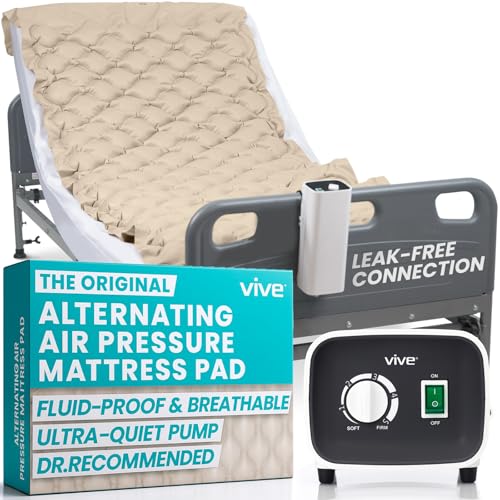
If you’re caring for someone who stays in bed for long periods and can’t shift positions easily, the Vive Air Pressure Mattress Pad offers a practical way to reduce the risk of bed sores. I’ve found its 130 heat-sealed air cells work quietly, alternating pressure every six minutes to evenly support body weight. The whisper-quiet pump, at just 22 dBA, won’t disturb sleep and offers adjustable settings for comfort. Made of durable, waterproof vinyl, it supports up to 300 pounds and stays in place with secure flaps. I appreciate the leak-proof design and flexible hoses, which make setup simple. Backed by a one-year guarantee and proven in real use, it’s a reliable choice for long-term care.
Best For: Individuals who are bedridden or have limited mobility and need reliable, doctor-recommended pressure relief to prevent or heal bed sores.
Pros:
- Features 130 heat-sealed air cells with alternating pressure therapy to evenly distribute weight and reduce pressure points
- Whisper-quiet pump operates at 22 dBA with customizable pressure settings for comfortable, uninterrupted sleep
- Durable, waterproof vinyl construction supports up to 300 pounds and includes secure flaps and leak-proof hoses for easy setup and stability
Cons:
- May require adjustment period for users to get accustomed to the sensation of alternating pressure
- Not suitable for patients exceeding 300 pounds
- Air cells could potentially develop leaks over time with heavy, long-term use despite durable construction
Alcedo Air Pressure Mattress Pad for Bed Sores

Who benefits most from the Alcedo Air Pressure Mattress Pad? I’d say it’s ideal for anyone bedridden or with limited mobility, especially those needing medical-grade bedsore prevention. It uses alternating pressure technology to boost circulation and relieve pressure, helping prevent ulcers effectively. Built with high-density materials and reinforced seams, it supports up to 300 lbs and keeps its shape over time. The 75 x 35-inch inflated area fits most beds, and the quiet pump offers five pressure settings for personalized comfort. I appreciate the breathable, waterproof cover-it’s easy to clean and fits seamlessly in home or medical settings. It’s FSA/HSA-eligible, too, which helps manage healthcare costs.
Best For: Individuals who are bedridden or have limited mobility and require medical-grade bedsore prevention with customizable pressure relief and durable, hygienic support.
Pros:
- Utilizes alternating pressure technology to enhance circulation and prevent bedsores effectively
- Durable construction with high-density materials and reinforced seams supports up to 300 lbs
- Ultra-quiet pump with 5 adjustable settings and FSA/HSA eligibility for home and medical use
Cons:
- May require adjustment period for users to find optimal pressure setting
- Inflated size may not fit all specialty or oversized mattresses perfectly
- Regular maintenance required to ensure pump and air chambers remain functional
Careboda Alternating Pressure Mattress with Pump
The Careboda Alternating Pressure Mattress with Pump works best for people who need consistent pressure relief over long periods, especially if they’re bedbound or have limited mobility, since its smart algorithm continuously shifts air between chambers to prevent sores before they start. I find its ultra-quiet pump, running under 40dB, ideal for undisturbed rest at home or in care facilities, and the adjustable pressure settings let me customize firmness. Made from waterproof, medical-grade PVC, it’s easy to clean and holds up well over time. It fits most beds, supports up to 350 pounds, and stays in place with tuck-under flaps and pump hooks.
Best For: Individuals who are bedbound or have limited mobility and require consistent, automated pressure relief to prevent bedsores over extended periods.
Pros:
- Utilizes a smart alternating pressure algorithm to proactively prevent pressure sores by continuously redistributing air
- Ultra-quiet pump operation (under 40dB) ensures minimal disturbance in both home and medical environments
- Durable, waterproof medical-grade PVC construction is easy to clean and built for long-term use
Cons:
- Requires a nearby power source for continuous pump operation, limiting portability
- Some users may find the sensation of shifting air chambers uncomfortable initially
- Not suitable for bariatric patients exceeding the 350-pound weight limit
Lunderg Air Pressure Mattress Pad with Static Mode
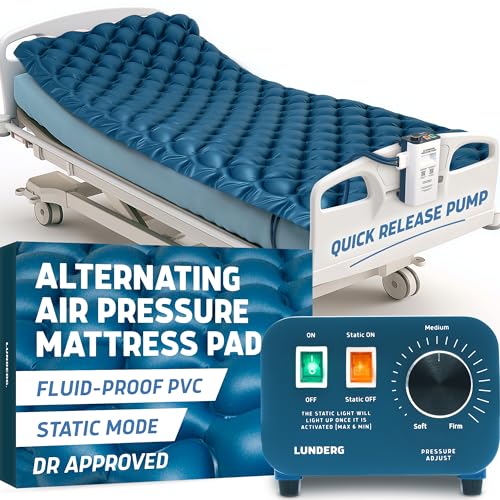
You’ll find the Lunderg Air Pressure Mattress Pad with Static Mode especially helpful if you’re caring for an elderly or immobile adult at risk of bed sores, since it’s doctor and therapist approved for both prevention and healing. I use its alternating air system to relieve pressure and improve circulation, and I can adjust the firmness from soft to firm based on comfort needs. The static mode keeps it fully inflated for transfers or dressing. It’s quiet, fits most beds, and supports up to 300 lbs. I appreciate the waterproof PVC cover-it’s durable and easy to clean. Setup takes about 20 minutes, and the warranty offers peace of mind for long-term use.
Best For: Individuals caring for bedridden or immobile adults at risk of bed sores, including elderly patients in home care, hospitals, or nursing facilities.
Pros:
- Doctor and therapist approved for bed sore prevention and healing with an adjustable alternating air system for pressure relief and improved circulation
- Quiet pump operation and static mode for stable support during patient transfers or dressing
- Durable, waterproof PVC cover that’s easy to clean and maintain, with quick-connect hoses for simple setup
Cons:
- Limited weight capacity of 300 lbs, which may not suit all users
- Requires continuous power for operation, posing challenges during outages
- May require a break-in period and multiple inflation cycles for optimal performance
Vaunn Medical Cloud Air Mattress Topper

Though not everyone needs advanced pressure relief, those managing bed sores or spending extended time in bed benefit most from the Vaunn Medical Cloud Air Mattress Topper. I use it because it alternates air pressure across 130 cells, reducing pain and preventing ulcers with a built-in algorithm. Its wave-like motion boosts circulation and keeps skin dry, while the quiet pump runs all night without disturbance. I can adjust firmness easily, which helps me stay comfortable. It’s made from waterproof, medical-grade vinyl and holds up to 300 lbs. Flaps keep it secure on my twin bed, and setup was simple with clear instructions.
Best For: Individuals recovering from surgery, managing pressure ulcers, or spending extended periods in bed who need therapeutic relief and enhanced circulation.
Pros:
- Doctor-recommended alternating air pressure therapy effectively reduces pain and prevents bed sores
- Advanced Sleep Wave Technology improves circulation and maintains a cool, dry sleep surface
- Quiet pump with customizable firmness settings ensures comfort and uninterrupted sleep
Cons:
- Only compatible with U.S. 110V outlets, limiting international use
- Maximum weight capacity of 300 lbs may not suit all users
- Requires continuous power, making it less usable during outages
Kekoy Air Pressure Mattress Pad for Bed Sores

Quiet operation and medical-grade durability make the Kekoy Air Pressure Mattress Pad a solid choice for caregivers and individuals managing long-term immobility, especially when comfort and hygiene are non-negotiable. I find its whisper-quiet pump runs below 28 dBA, quieter than most models, and it offers five pressure settings for personalized support. With 130 air cells cycling every 10–12 minutes, it gently shifts pressure to boost circulation and help prevent bed sores. Made from durable, waterproof medical-grade PVC, it resists stains and heat, simplifying cleanup. The 67-inch power cord and 47-inch hose let me place it easily in any bedroom setup, and its twin size fits most standard frames without hassle.
Best For: Individuals with long-term immobility, post-surgical patients, and caregivers seeking a quiet, durable, and hygienic solution for bed sore prevention.
Pros:
- Whisper-quiet pump operates below 28 dBA, making it ideal for light sleepers and 24/7 use
- 130 air cells cycle every 10–12 minutes to promote circulation and reduce pressure ulcers
- Medical-grade waterproof PVC resists stains and simplifies cleaning for low-maintenance care
Cons:
- Limited to twin size, which may not fit all bed types or larger users
- Requires continuous power supply, limiting portability during outages
- May feel too firm or too soft for some users despite five pressure settings
Alternating Air Pressure Mattress Pad

If you’re caring for someone who stays in bed for long periods due to illness, surgery, or limited mobility, an alternating air pressure mattress pad like the Medical King model offers targeted support to prevent pressure sores. It uses 130 air cells that cycle every 10–12 minutes, easing pressure and boosting circulation. The quiet pump runs under 28 dBA and has five pressure settings, so you can adjust firmness comfortably. Made of durable, waterproof PVC and vinyl, it’s easy to wipe clean and built to last. At 80” x 36”, it fits most beds and supports up to 300 lbs. Setup is quick, with no tools needed.
Best For: Individuals with limited mobility, recovering from surgery, or at risk of pressure ulcers who need therapeutic support and comfort during prolonged bed rest.
Pros:
- Alternating pressure system with 130 air cells helps prevent pressure sores and improves circulation
- Ultra-quiet pump (under 28 dBA) with 5 adjustable pressure settings for personalized comfort
- Durable, waterproof PVC and vinyl construction that is easy to clean and fits most bed sizes
Cons:
- Hand wash only, limiting cleaning convenience
- Limited weight capacity of 300 lbs may not suit all users
- Release date of September 9, 2025, suggests product is not yet available
Kölbs NSR Pressure Redistribution Foam Mattress
The Kölbs NSR Pressure Redistribution Foam Mattress is a solid choice for caregivers and medical professionals looking to support patients at risk of pressure sores, especially in long-term care or home settings. I’ve found it works well with its high-density foam core, which evenly distributes body weight and reduces pressure points. The waterproof, removable polyester cover is easy to clean and fire-retardant, meeting safety standards. It measures 80 x 36 x 5.5 inches, so it fits hospital beds but won’t suit standard twin beds. Its non-slip base keeps it stable on adjustable frames, and while it doesn’t replace advanced air systems, it offers reliable support-especially when used with a topper.
Best For: Individuals in long-term care or home medical settings who require reliable pressure redistribution to prevent or manage bedsores.
Pros:
- High-density foam evenly distributes body weight to minimize pressure points and support skin integrity
- Waterproof, removable, and fire-retardant cover enhances hygiene, safety, and ease of cleaning
- Non-slip base ensures stability on hospital and adjustable beds for secure patient support
Cons:
- Not compatible with standard twin beds due to its 80-inch length
- Provides basic pressure redistribution compared to advanced powered air mattress systems
- 5.5-inch thickness may offer limited cushioning for patients with high-risk pressure injuries
Alternating Air Pressure Mattress Pad for Bed Sores
Who wouldn’t want a solution that actively fights bedsores while ensuring comfort during long periods of bed rest? I’ve found the Alternating Air Pressure Mattress Pad effective for pressure redistribution, thanks to its 130 leak-proof air cells that alternate to ease pressure points. The quiet pump runs continuously without disturbing sleep, and it hangs neatly on the bed frame. Made with durable, medical-grade materials, it fits most hospital or home beds. Setup is quick, and the smooth surface wipes clean easily, supporting long-term hygiene. While it requires a power source, its consistent performance makes it a solid choice for extended care, especially where circulation and skin protection matter most.
Best For: Individuals needing reliable bed sore prevention and pressure relief during extended bed rest, especially in home care or hospital settings.
Pros:
- Effectively redistributes pressure with 130 leak-proof air cells to prevent and aid in healing bedsores
- Features a quiet, continuous-running pump that supports uninterrupted sleep and hangs conveniently on the bed frame
- Constructed with durable, medical-grade materials and a smooth, easy-to-clean surface for long-term hygiene and use
Cons:
- Requires a continuous power source, limiting portability during outages or travel
- May feel too firm or rigid for users preferring a softer mattress feel
- Initial setup may require careful alignment to ensure proper inflation and cell function
Kekoy Air Pressure Mattress Pad for Recliner
You’ll find the Kekoy Air Pressure Mattress Pad ideal if you’re managing limited mobility and need reliable pressure relief while seated in a recliner. It uses 128 large air cells to evenly distribute weight and reduce pressure on hips and tailbone, helping prevent bedsores. The medical-grade PVC surface is waterproof and covered in soft, four-way stretch PU fabric, while non-slip backing and dual straps keep it securely in place. I appreciate the quiet aluminum pump-it runs at just 32dB and offers alternating or static modes with five firmness levels. It inflates to 67×21 inches, supports up to 300 lbs, and the cover’s machine washable.
Best For: Individuals with limited mobility, elderly users, or post-surgery patients seeking reliable pressure relief and comfort in a recliner.
Pros:
- Features 128 large air cells for effective weight redistribution and bedsore prevention
- Quiet aluminum pump with dual modes (alternating/static) and five adjustable firmness levels
- Waterproof, machine-washable cover with non-slip backing and secure dual-shoulder straps
Cons:
- Limited to recliner use and not suitable for full-size beds or other seating types
- Air hose and power cord may restrict placement options due to fixed lengths
- May require periodic re-inflation during extended use to maintain optimal firmness
Factors to Consider When Choosing an Anti Bedsore Mattress
You’ll want to check the pressure relief technology first, since alternating air cells or foam layers make a real difference in comfort and skin protection. Make sure the mattress supports your weight safely and is built with durable, medical-grade materials that resist leaks and wear. Don’t overlook the pump’s noise level or whether firmness is adjustable-both can affect sleep quality, so look for models with a trial period or solid warranty.
Pressure Relief Technology
While selecting an anti bedsore mattress, considering how pressure relief technology functions can guide you toward a better fit for long-term comfort and skin protection. You’ll find alternating pressure systems use multiple air cells that inflate and deflate every 6 to 12 minutes, shifting weight away from sensitive areas. This wave-like pattern boosts blood flow and helps prevent skin breakdown. Some models offer a static mode, keeping all cells inflated for consistent support when movement isn’t needed. Advanced units apply smart algorithms to adjust airflow based on your weight and position, improving accuracy. Mattresses with 128 to 130 air cells deliver finer pressure distribution, enhancing protection. More cells mean better contouring, but also higher complexity. Look for units with reliable cycling mechanisms and clear control interfaces. Testing the mattress with a trial period guarantees it meets your comfort and care needs without risking long-term commitment.
Patient Weight Capacity
A typical anti bedsore mattress supports between 250 and 350 pounds, but checking the exact weight limit matters-going over can weaken the air cells and reduce pressure relief. You’ll find higher weight capacities in medical-grade or bariatric-specific models, which often support over 350 pounds thanks to reinforced construction and wider dimensions. These versions are built to handle extra load without sacrificing performance. Manufacturers test each mattress thoroughly, checking air cells, seams, and materials under constant weight to set safe limits. Sticking to the specified capacity guarantees the pressure-relief system works properly and lasts longer. If you or a loved one exceeds standard limits, don’t guess-look for a model rated for your weight. Using the right mattress helps maintain consistent support, minimizes wear, and keeps the therapy effective. Always confirm the limit before buying.
Material Durability And Safety
When choosing an anti bedsore mattress, the durability and safety of materials play a key role in both performance and long-term use. You’ll want high-density foam or medical-grade PVC-they resist wear and handle constant pressure shifts. Heat-sealed, waterproof construction keeps air cells from leaking and maintains strength over time. Reinforced seams and pre-treated air cells prevent early breakdown from daily inflation and deflation cycles. Non-slip backing keeps the mattress stable, reducing slip risks during movement. Safety matters just as much: materials should be non-toxic, free from harmful chemicals, and easy to clean. Stain-resistant surfaces help maintain hygiene when exposed to bodily fluids. These features guarantee the mattress stays safe, clean, and effective through extended use. Durable materials also mean fewer replacements, giving you better value. Look for models with strong warranties-this often reflects confidence in material quality.
Pump Noise Level
You’ve already considered how durable, safe materials keep an anti bedsore mattress reliable over time, and now it’s worth turning to another everyday factor-how quietly the system runs. Most pumps operate between 22 and 40 decibels, with models under 30 dBA considered exceptionally quiet-perfect if you or your loved one is a light sleeper. Pumps using aluminum or high-efficiency motors run more smoothly and quietly than standard plastic ones, often emitting less noise than a whisper. Units below 40 dBA are labeled “ultra-quiet,” making them ideal for bedrooms or shared care spaces where rest matters. Continuous operation under 30 dBA helps maintain deeper sleep and reduces nighttime disruptions, especially in sensitive environments. When comparing options, check the pump’s decibel rating and build quality, since quieter performance often reflects better engineering. A silent system supports better recovery and comfort without drawing attention to itself.
Adjustable Firmness Options
Though not every model offers it, having adjustable firmness can make a real difference in how well the mattress supports your body over time. You’ll typically find 3 to 5 firmness levels, letting you tailor pressure support based on your weight, mobility, and comfort needs. Lower settings reduce stress on bony areas if you’re frail or underweight, while higher settings better support heavier users and maintain proper alignment. Precise control guarantees consistent surface contact, which helps minimize dangerous pressure points. Some systems even let you adjust firmness in real time without disrupting the alternating pressure cycle-ideal when needs shift during recovery. If the firmness isn’t right, you risk bottoming out or floating too much, both of which impair pressure relief and can harm skin integrity. Choosing the right setting matters just as much as the mattress itself.
Ease Of Installation
Getting the firmness right matters, but so does setting up the mattress efficiently, especially when time and mobility are limited. Look for models with quick-connect air hoses and tool-free assembly so you can finish setup in under 20 minutes without extra tools. A good fit starts with flaps on the top and bottom that tuck tightly between the mattress and bed frame, keeping everything in place. Pick systems with back hooks or pump hangers that let you mount the pump securely at the foot of the bed, so it stays out of the way. Choose one with a long air hose-47 inches or more-so you can move the pump without restricting bed access. Make sure the pad lies flat when unrolled and inflates smoothly, usually within three cycles, to avoid wrinkles or gaps that affect stability.
Hygiene And Maintenance
Keeping the sleeping surface clean and intact plays a crucial role in long-term comfort and health, especially when using an anti bedsore mattress over extended periods. Look for models with waterproof, medical-grade vinyl or PVC covers-they resist stains from bodily fluids and wipe clean easily. Choose ones with removable, machine-washable covers to cut down on bacteria and simplify upkeep. Materials treated with antimicrobial or heat-resistant properties help prevent mold, mildew, and odors over time. Smooth, seamless surfaces without stitching stop fluids from seeping in and make cleaning more effective. You should clean the surface regularly with mild soap and water to protect the waterproof layer and avoid breakdown. These features work together to maintain hygiene, support skin health, and extend the mattress’s life-all critical when managing prolonged bed use.
Frequently Asked Questions
How Often Should I Replace My Anti Bedsore Mattress?
You should replace your anti bedsore mattress every 5 to 7 years, depending on wear and performance. Check for sagging, reduced pressure relief, or damaged cells-especially in air models. Foam versions lose support over time, while hybrid systems may need part replacements sooner. Always follow the manufacturer’s guidelines and warranty terms. Many offer 10-year coverage, but real-world use may demand earlier changes, particularly with daily, high-risk use. Inspect it regularly.
Can I Use an Electric Blanket With the Mattress Pad?
You can use an electric blanket with the mattress pad, but keep it over a sheet, not directly on the pad. Heat might interfere with the pad’s pressure-relief function or damage internal components. Check the manufacturer’s guidelines-some warn against combining heat sources. If approved, use low or medium heat only. Avoid folding or pinching the pad. Always prioritize safety: monitor for overheating and guarantee the blanket shuts off automatically. When in doubt, consult your healthcare provider or equipment supplier.
Are These Mattress Pads Safe for Pregnant Women?
Yes, these mattress pads are safe for pregnant women-you can use them without worry. They’re made with non-toxic, medical-grade materials and gentle pressure redistribution that supports comfort without overheating. Most models are latex-free and hypoallergenic, reducing irritation risks. The low-voltage operation guarantees safety, and the washable covers make hygiene easy. Always check manufacturer guidelines, but many offer trial periods and warranties, letting you test them confidently during pregnancy.
Do I Need a Special Bed Frame for Compatibility?
You don’t need a special bed frame-most anti-bedsores mattresses fit standard frames, including platform, box spring, and adjustable bases. Just make sure your frame’s weight capacity matches the mattress, especially if it’s air-based. Slats should be intact and spaced no more than 3 inches apart for support. Always check the manufacturer’s specs, since some models perform best on solid or hospital-grade foundations. Many brands offer trial periods and warranties, so test confidently.
Can Two People Sleep on a Bed With a Mattress Topper?
Yes, two people can sleep on a bed with a mattress topper, but you’ll need to take into account weight distribution and movement. A high-density topper supports better if both sleepers stay mostly still. Couples with different weights might feel uneven pressure relief. Look for dual-layer designs with firm base support and a soft top that resists sagging. Check trial periods-you’ll want at least 30 nights to test comfort and stability together.