Why Cotton Twill Duvet Covers Resist Stains Better Than Plain Weave
You’ll find cotton twill resists stains better than plain weave because its tight, diagonal pattern creates a denser fabric that slows down liquid absorption. Spills sit on the surface longer, giving you time to wipe them away before they set. The smooth, compact weave also repels oils from skin or hair, while still letting the fabric breathe. Unlike looser weaves, twill’s structure resists deep staining and holds up well after repeated washing, often backed by warranties that reflect its durability-something worth considering as you explore your options.
Notable Insights
- Twill weave’s diagonal thread pattern creates a tighter, denser fabric than plain weave.
- Increased fabric density reduces gaps where spills and stains can penetrate.
- Higher thread count in twill slows liquid absorption, allowing more time for cleanup.
- Smooth twill surface promotes liquid beading, reducing immediate stain risk.
- Durable construction resists wear and pilling, maintaining stain resistance over time.
What Makes Twill Weave Better for Stain Resistance?
While no fabric is completely stain-proof, cotton twill’s tight weave gives it an edge when spills or accidents happen. You’ll find that the twill weave pattern interlaces threads in a diagonal structure, making the fabric denser and more resistant to liquid absorption. This tight construction, paired with a higher thread count, means fewer gaps between fibers where stains can settle. Unlike plain weave cotton, twill’s design adds durability without sacrificing softness, so it holds up well over time-even with regular washing. You might appreciate how this balance supports low-maintenance bedding, especially if you’re managing nighttime routines linked to sleep aids or sensitive skin. Many brands offer trial periods, letting you test performance firsthand. Look for warranties covering pilling or fading, which reflect confidence in long-term use. Choosing twill means weighing small trade-offs-slight weight increase, gentle care needs-for practical, lasting benefits in real-life conditions.
How Cotton Twill Blocks Spills and Oils
Because the threads in cotton twill are woven tightly in a diagonal pattern, spills and oils don’t soak through as quickly, giving you time to blot or wipe them away before they set. This fiber tightness creates a barrier that slows liquid absorption, which helps protect your duvet insert. The weave impermeability of twill means oils from skin or hair are less likely to penetrate deep into the fabric. Unlike looser plain weaves, twill’s structure resists immediate staining, making cleanup easier. You’ll find that most spills stay on the surface, where a quick dab with a damp cloth often removes them. Many cotton twill duvet covers also come with care instructions that support stain removal without fabric damage. Some brands even offer trial periods, so you can test performance in your own bedroom. This small advantage adds up, especially if you value low-maintenance bedding that still feels soft and looks polished night after night.
Why Fabric Density Matters in Duvet Covers
A higher thread count usually means a denser fabric, and that makes a real difference when it comes to how well your duvet cover holds up over time. You’ll notice tighter fiber tightness helps block particles and liquids from settling deep into the material. This weave compactness doesn’t just add durability-it also supports easier cleaning and longer freshness between washes. Denser fabrics tend to resist wear at stress points, like edges and seams, which matters if you move a lot at night or use sleep aids that create friction. While no cover stops every stain, a tightly woven one gives you more time to react and clean spills before they set. Many quality options offer trial periods, so you can test durability in real use. Look for certifications that confirm weave compactness and fiber tightness claims, helping you make informed comparisons.
Smooth Surface, Fewer Stains: How Twill Repels Liquids
Even though no fabric is completely stain-proof, the way cotton twill is woven gives it a naturally smoother surface that helps liquids bead up and roll off instead of soaking in right away. The tight weave creates higher surface tension, which works with the fabric’s structure to slow liquid absorption. You’ll have more time to blot spills before they set, making maintenance easier. This isn’t magic-it’s physics and construction working together. Below is how key features compare:
| Feature | Twill Weave | Plain Weave |
|---|---|---|
| Surface Texture | Smooth | Slightly rough |
| Weave Density | Tight weave | Looser interlace |
| Liquid Response | Beads up | Spreads faster |
| Surface Tension | Higher | Lower |
| Initial Stain Risk | Reduced | More immediate |
This performance trait supports long-term cleanliness, especially helpful if you value low-maintenance bedding.
Cotton Twill vs. Plain Weave: Real-World Stain Performance
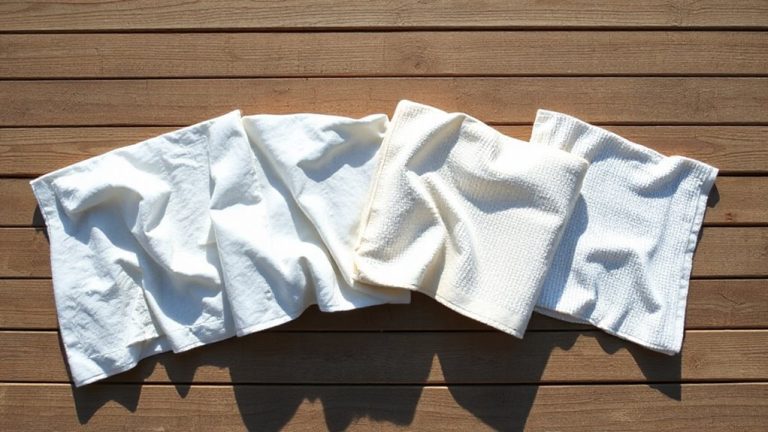
You’ve seen how the tight, smooth structure of cotton twill slows liquid absorption compared to plain weave, but how does that difference play out when real spills happen? When coffee or sweat lands on twill, the denser weave pattern gives liquids less room to seep in quickly, buying you time to blot or clean. Plain weave’s looser fiber texture allows stains to set faster, especially with repeated exposure. In everyday use, twill’s diagonal ridges not only add subtle depth but also help scatter light, making minor marks less visible. Real-world tests show twill resists initial staining better, though both fabrics need prompt care. You’ll notice fewer visible traces over time, especially in active households. The performance edge comes from construction, not coatings, so it lasts wash after wash. Consider trying a sample with a trial period to compare how each handles your nightly routine.
Longer-Lasting Bedding: Durability of Twill Duvet Covers
That diagonal rib weave isn’t just about looks-it’s the backbone of a twill duvet cover’s staying power. Because of its tight weaving technique, twill weaves fibers more densely than plain weave, which helps resist pilling and wear over time. You’ll notice this when you run your hand over the fabric-it feels sturdy, yet soft. Even with regular washing, the structure holds up well, maintaining its shape and texture. A higher thread count adds to this resilience, but it’s the weaving technique that truly sets twill apart. Over months of use, this durability means fewer replacements and consistent performance. If you’re someone who values long-term bedding that supports restful sleep without frequent upkeep, twill’s strength is worth considering. It’s not about perfection-it’s about steady, reliable use. Look for quality stitching and check warranty details to confirm long-term value.
Choosing a Stain-Resistant Cotton Duvet Cover
While durability matters, how a cotton duvet cover handles stains can be just as important for long-term comfort and care. You’ll want to choose a cotton twill weave, since its tighter structure resists spills better than plain weave. This construction also helps maintain fabric softness over time, even after repeated washing. Look for covers made with high thread count and pre-washed cotton-these features help reduce color fading and improve stain resistance. Avoid bleach-based cleaners; they weaken fibers and speed up color fading. Instead, use mild detergents and cold water to preserve both appearance and texture. Some brands offer trial periods or warranties, letting you test the cover’s performance in real use. Check labels for fabric softness ratings and colorfastness details so you can compare options. A well-chosen cover supports better sleep hygiene by staying clean, soft, and intact with proper care.
On a final note
You’ll find cotton twill duvet covers resist stains better than plain weave thanks to their tighter, diagonal weave and smoother surface. This denser fabric blocks spills and oils more effectively, slowing absorption. While both are cotton, twill’s construction offers greater durability and stain resistance over time. Look for options with a removable cover and a warranty, so you can test performance. Consider trying one if you want bedding that handles messes with less upkeep.