How Sleep Cycle Optimization Supports Immune System Memory
You strengthen your immune system’s memory when you consistently cycle through uninterrupted deep sleep, where immune cells rehearse pathogen responses and solidify long-term defenses. Disrupted or shallow sleep weakens this process, reducing vaccine effectiveness and increasing infection risk. Aligning your sleep with your circadian rhythm enhances immune coordination, especially with regular bedtimes and minimal nighttime light. High sleep efficiency-over 90% time spent asleep in bed-supports stronger immunity, and using evidence-based sleep trackers can help monitor improvements. Choosing sleep aids like time-released, third-party tested melatonin may support rhythm regulation, especially if screen use or irregular schedules disrupt your natural cycle. There’s more to discover about how timing and environment shape your body’s nightly defense boost.
Notable Insights
- Deep sleep phases enable immune cells to consolidate pathogen encounters into long-term memory.
- Consistent sleep cycles strengthen immune anticipation and coordination through circadian alignment.
- Sleep optimization enhances memory replay in immune cells, improving future threat recognition.
- Reduced sleep fragmentation supports uninterrupted immune memory consolidation and defense readiness.
- Melatonin regulation during optimized sleep promotes immune balance and reduces chronic inflammation.
How Sleep Helps Your Immune System Remember Threats
While you’re sleeping, your body isn’t just resting-it’s actively strengthening your immune system’s ability to recall past threats. During sleep, immune imprinting occurs, where your body logs details of pathogens it has encountered. This process sharpens threat recognition, helping immune cells respond faster if the same invader returns. Without enough quality sleep, this imprinting weakens, reducing how well your body remembers and fights off infections. Prioritizing consistent sleep cycles supports this memory function. If you struggle with sleep disorders like insomnia or sleep apnea, seeking evaluation can protect immune performance. Some sleep aids may help short-term but check with a doctor to avoid interference with immune processes. Look for products with clear labeling, trial periods, and safety certifications when choosing aids. Your sleep choices directly influence how effectively your immune system learns and adapts-making rest a practical tool for long-term resilience.
How Deep Sleep Builds Immune Memory
Deep sleep plays a key role in turning short-term immune responses into long-lasting protection. While you’re in this restorative stage, your body strengthens immune consolidation, helping your system remember past threats more effectively. This is where memory reinforcement happens-your immune cells replay encounters with pathogens, refining their response for future attacks. Without enough deep sleep, this process weakens, leaving you less prepared. If you struggle with sleep quality, consider evaluating sleep disorders like sleep apnea, which can reduce deep sleep. Some sleep aids may help, but check with a doctor to avoid side effects. Look for devices with proven performance in tracking sleep cycles, and choose those offering trial periods. Prioritizing deep, uninterrupted rest supports long-term immune memory-making it a practical focus for better health. A comfortable sleep environment, such as one enhanced with a best mattress toppers for dorms, can improve sleep quality and support deeper rest.
Why Circadian Alignment Strengthens Immune Response
How does your body know when to ramp up defenses? Your circadian rhythm guides immune activity, syncing it with your daily cycle. When you maintain regular sleep and wake times, your immune system anticipates threats more efficiently. This alignment boosts immune cell production and response timing, which helps reduce chronic inflammation linked to long-term health issues. But when your rhythm’s off-say, from irregular sleep or screen use at night-melatonin disruption occurs, weakening immune coordination. You may not feel it immediately, but over time, this misalignment can dull your body’s readiness. Supporting your natural rhythm with consistent sleep schedules, minimizing blue light at night, and considering melatonin supplements carefully can help. Look for time-released formulations with third-party testing if needed, and check return policies when trying sleep aids. Small, informed choices improve circadian resilience. For those considering supplementation, choosing a high-quality product is key, and top-rated options include best melatonin supplements that feature non-GMO, vegan formulas with reliable dosing.
What Happens When You Don’t Get Enough Sleep?
What if your body never got the chance to finish its nightly repair work? Without enough sleep, your immune system can’t properly form long-term defenses. Sleep deprivation weakens immune memory, making vaccines less effective and increasing vulnerability to infections. You might notice more colds or longer recovery times when rest is cut short. Chronic sleep loss is linked to immune dysfunction, raising risks for inflammation and autoimmune issues. If you struggle with falling or staying asleep, consider evaluating sleep aids or consulting a specialist to rule out disorders like insomnia or apnea. Many find relief through consistent routines, blackout curtains, or white noise machines. Some over-the-counter aids offer short-term help, often with trial periods or satisfaction guarantees. Improving sleep isn’t about perfection-it’s about consistent, practical steps that support your body’s nightly reset. Evidence-based sleep quality improvement products can play a key role in enhancing restorative sleep cycles.
Does Sleep Quality Beat Quantity for Immunity?
While both sleep duration and quality play roles in immune health, evidence suggests that quality often has a stronger impact on how well your body builds and maintains immune memory. High sleep efficiency-meaning you spend most of your time in bed actually sleeping-supports stronger immune resilience. Fragmented or shallow sleep, even over 8 hours, can hinder immune cell activity and memory formation.
| Factor | Impact on Immunity |
|---|---|
| Sleep efficiency >90% | Enhances immune resilience |
| Frequent awakenings | Reduces immune memory |
| Deep sleep continuity | Supports antibody response |
| Sleep efficiency <80% | Weakens defense coordination |
| Consistent REM cycles | Strengthens long-term immunity |
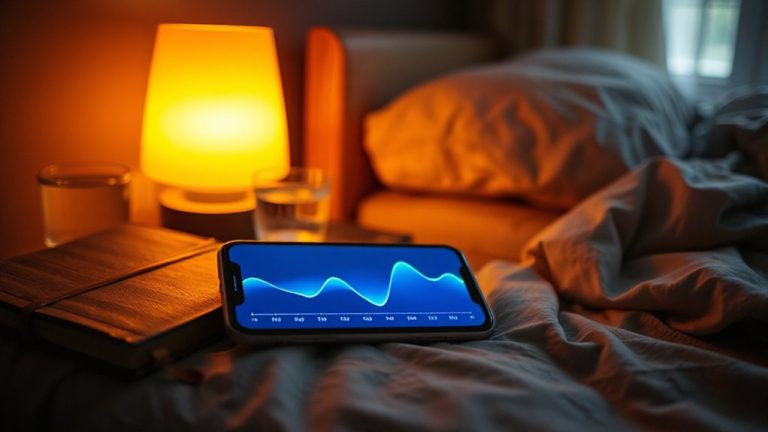
Prioritizing uninterrupted, restorative sleep may benefit your immune system more than simply extending time in bed. Consider tracking sleep patterns to assess efficiency. If disruptions persist, evaluating sleep disorders or aid options could improve outcomes.
How to Optimize Your Sleep for Immune Health
Isn’t it curious how the same sleep that leaves you feeling refreshed also sharpens your body’s defenses? To optimize your sleep for immune health, focus on consistent sleep hygiene. A steady bedtime routine signals your brain that it’s time to wind down-try dimming lights, avoiding screens, and practicing relaxation techniques like deep breathing. Keep your bedroom cool, dark, and quiet to support uninterrupted sleep cycles. If you struggle with falling or staying asleep, consider evaluating your caffeine intake and daily stress levels before turning to sleep aids. Many over-the-counter options exist, but they vary in ingredients, effectiveness, and side effects. Prescription treatments may help if a sleep disorder is diagnosed, and some come with trial periods or monitoring. Prioritizing long-term habits over quick fixes supports deeper, more restorative sleep-and a stronger immune memory.
When to Sleep for Maximum Immune Benefits
Could timing be just as important as duration when it comes to strengthening your immune system through sleep? Yes-your body runs on an immune rhythm that syncs with circadian cycles. Aligning your sleep timing with this internal clock boosts immune memory and response. Aim to sleep between 10 p.m. and 6 a.m., when melatonin peaks and cellular repair is most active. This window supports T-cell function and cytokine balance, both essential for long-term immunity. Sticking to consistent bed and wake times-even on weekends-reinforces this rhythm. If you struggle with falling asleep, consider evaluating sleep aids or behavioral therapies, but consult a provider first. Devices like sleep trackers can help monitor patterns, and some come with trial periods to test effectiveness. Prioritizing timing isn’t about perfection; it’s a practical step toward stronger, more responsive immunity over time.
On a final note
You’ll support immune memory best by aligning sleep with your body’s natural rhythm, prioritizing deep, uninterrupted cycles over sheer hours. Consistent bedtimes and wake times strengthen circadian alignment, boosting immune response. If sleep struggles persist, consider evidence-backed aids-like melatonin or cognitive behavioral therapy-but consult a professional first. Poor sleep quality weakens immunity more than short duration. A trial of small, sustained changes often works better than drastic fixes, and many solutions come with clear guidance or warranties for safe testing.