How Sleep Cycle Disruption Increases Inflammation Markers
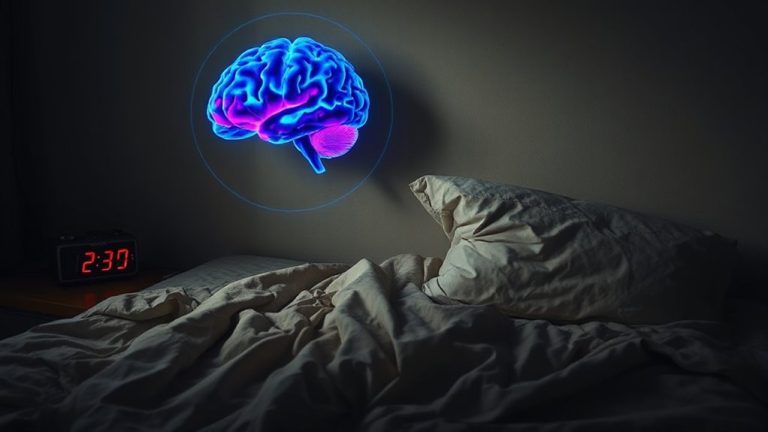
When your sleep cycle is off, your body experiences circadian misalignment, which stresses your system and triggers immune cells to release pro-inflammatory cytokines. Tossing and turning or frequent awakenings keep inflammation markers like CRP and IL-6 elevated, even if you sleep long enough. Over time, this raises your risk for diabetes, heart disease, and obesity. Prioritizing consistent, deep sleep helps regulate these responses. You’ll soon discover how small adjustments can make a measurable difference.
Notable Insights
- Circadian misalignment disrupts hormone release and cell repair, increasing stress and immune dysregulation that elevates inflammation.
- Sleep fragmentation triggers immune cells to release pro-inflammatory cytokines, mimicking the body’s response to injury.
- Chronic sleep disruption raises levels of C-reactive protein and interleukin-6, key markers of systemic inflammation.
- Poor sleep quality, even with adequate duration, increases inflammation due to frequent awakenings and low sleep efficiency.
- Persistent sleep cycle disruption promotes chronic inflammation, contributing to diseases like diabetes, heart disease, and obesity.
How Disrupted Sleep Sparks Inflammation
While your body tries to rest, disrupted sleep can quietly trigger a chain reaction that fuels inflammation. Circadian misalignment-when your internal clock falls out of sync with light and dark cycles-interferes with hormone release and cell repair. This mis timing stresses your system, often leading to immune dysregulation, where defenses overreact or underperform. Over time, chronic sleep loss keeps inflammation markers elevated, raising long-term health risks. You may not feel it now, but your body senses the strain. Devices like sleep trackers can help you spot patterns, while apps guiding consistent bedtimes may reduce misalignment. Melatonin supplements, used short-term, might support rhythm reset, though they’re not for everyone. Cognitive behavioral therapy for insomnia (CBT-I) offers lasting results without medication. Consider discussing symptoms with a provider before trying aids, especially if disruption persists. Small, informed choices today can support better control and long-term balance. Upgrading your bedding to best cool bed sheets can improve sleep quality by regulating body temperature.
Why Tossing And Turning Lights Up Inflammation
What if your restless nights were doing more than just leaving you tired? Every time you toss and turn, you’re adding to sleep fragmentation, which stresses your body on a cellular level. Frequent nocturnal awakenings prevent deep, restorative stages, disrupting hormone balance and triggering immune cells to release pro-inflammatory cytokines. Even minor disruptions, if repeated nightly, can elevate C-reactive protein and interleukin-6-both markers tied to inflammation. Your body interprets broken sleep as a threat, much like an injury, keeping defenses active. Devices like sleep trackers can help identify patterns in awakenings, while sound machines or blackout curtains may reduce environmental triggers. Sleep aids, including melatonin or prescription options, vary in effectiveness and should be used short-term. Cognitive behavioral therapy for insomnia (CBT-I) addresses root causes with strong success rates and no side effects. Always consult a provider before starting treatment.
How Bad Sleep Raises Your Risk Of Chronic Disease
Poor sleep doesn’t just leave you groggy-it actively increases your chances of developing long-term health problems. Chronic sleep disruption weakens your body’s defenses through immune suppression, making you more vulnerable to infections and slowing recovery. At the same time, it contributes to metabolic imbalance, interfering with hormones that regulate hunger, blood sugar, and fat storage. Over time, this raises your risk for conditions like type 2 diabetes, heart disease, and obesity. Both processes are linked to persistent inflammation, which quietly damages tissues. If you regularly struggle to fall or stay asleep, evaluating sleep disorders like apnea or insomnia could be a vital step. Treatments, including behavioral therapy or clinically tested sleep aids, may help restore balance. Some devices and supplements offer trial periods and carry warranties, allowing safe testing. Consider options backed by research, and consult a healthcare provider to align choices with your health needs.
Quality Or Quantity: What Reduces Inflammation?
Could better sleep truly ease inflammation, or does it come down to how deep and uninterrupted that sleep is? Research suggests both sleep duration and sleep efficiency matter. While getting seven to nine hours nightly supports overall health, it’s the quality-staying in deeper stages without frequent awakenings-that most influences inflammation. Poor sleep efficiency, with many disruptions, lets inflammatory markers like CRP rise even with adequate sleep duration. You might log eight hours but still face risks if you’re waking multiple times. High sleep efficiency-spending most of your time in bed actually asleep-helps maintain immune balance. When evaluating sleep aids or treatments for disorders like insomnia or sleep apnea, consider tools that track both total sleep time and continuity. Devices or therapies improving sleep efficiency could offer stronger protection than those focusing only on extending sleep duration. Prioritize rest that’s both long enough and consistently restful. Sleep quality monitors can provide detailed insights into sleep stages and disruptions, helping identify patterns that affect inflammation.
5 Science-Backed Ways To Lower Inflammation Through Sleep
How can you make your sleep work better for reducing inflammation? You can start by strengthening your sleep hygiene-keep a consistent bedtime, limit screen exposure at night, and create a calm, dark sleeping environment. These habits support your circadian rhythm, which regulates immune function and inflammatory responses. When your circadian rhythm stays aligned with natural light cycles, your body produces fewer pro-inflammatory cytokines. Aim for 7–9 hours of uninterrupted sleep, as both duration and timing matter. If you struggle with sleep, consider tracking patterns with a wearable or consulting a sleep specialist before using aids. Some over-the-counter options may help short-term, but check with a doctor, especially if you have a disorder like sleep apnea. With time and consistent effort, better sleep habits can lead to measurable decreases in inflammation markers.
On a final note
You’re more likely to lower inflammation when you protect both sleep quality and duration. Irregular cycles strain your body, raising markers linked to heart disease and diabetes. If you struggle nightly, consider tracking sleep patterns before trying aids-many devices offer trial periods and measure deep sleep, helping you assess real impact. Simple changes, like consistent bedtimes or reducing screen time, often improve rest more than supplements. Treat poor sleep as a health signal, not just a nuisance.