How to Use Smart Lighting to Support Delayed Sleep Phase Disorder Treatment
Use smart lighting to shift your sleep schedule by mimicking natural daylight. Set cool, bright light in the morning to reset your circadian rhythm and help you wake earlier. Wind down with warm, dim light in the evening to support melatonin. Choose bulbs with adjustable color temperature and automation for consistency. Gradual changes of 15–30 minutes daily work best. Look for reliable models with warranties and trial periods-your routine improvements may go further than you think.
Notable Insights
- Use gradual dawn simulation with smart lighting to ease waking and advance circadian timing.
- Expose yourself to bright, blue-enriched light within one hour of waking for 30–60 minutes daily.
- Shift your sleep schedule earlier by adjusting light exposure in 15- to 30-minute daily increments.
- Reduce blue light in the evening by setting smart bulbs to 2700K or lower two hours before bed.
- Automate lighting schedules via app control to ensure consistent morning and evening light cues.
What Is Delayed Sleep Phase Disorder and How Light Helps
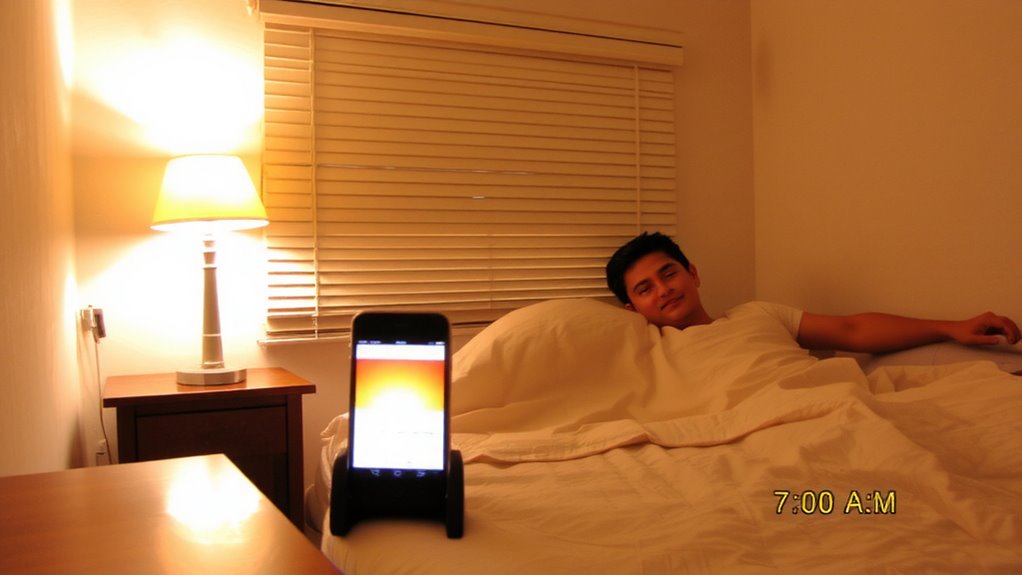
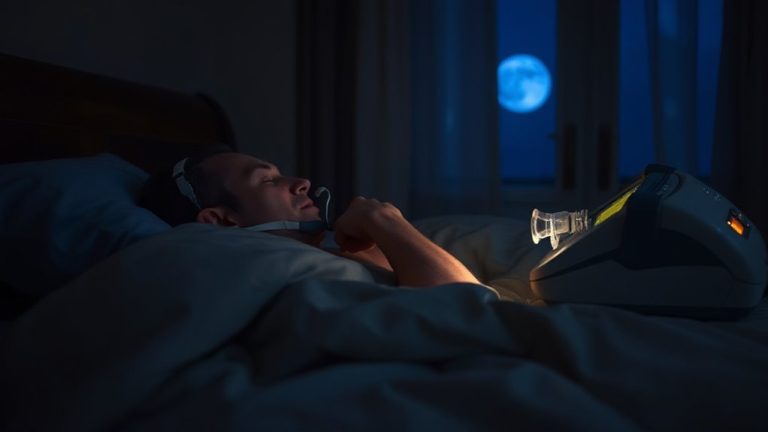
What if your internal clock just doesn’t match the world’s schedule? Delayed Sleep Phase Disorder (DSPD) means your natural sleep onset happens much later than typical, often past midnight, even when you try to sleep earlier. This delay stems from circadian misalignment-your body’s internal rhythm runs out of sync with social or environmental time. Light plays a key role because it strongly influences your circadian system. Morning light exposure helps reset your internal clock, pushing sleep earlier over time. Evening light, especially blue-rich light, can worsen delay by tricking your brain into staying alert. Using smart lighting, you can control color temperature and brightness to support this process. These systems offer programmable schedules, adjustable color spectrums, and dimming features. Most come with apps, trial periods, and warranties, letting you test settings safely.
Shift Your Sleep Schedule Gradually With Smart Lighting
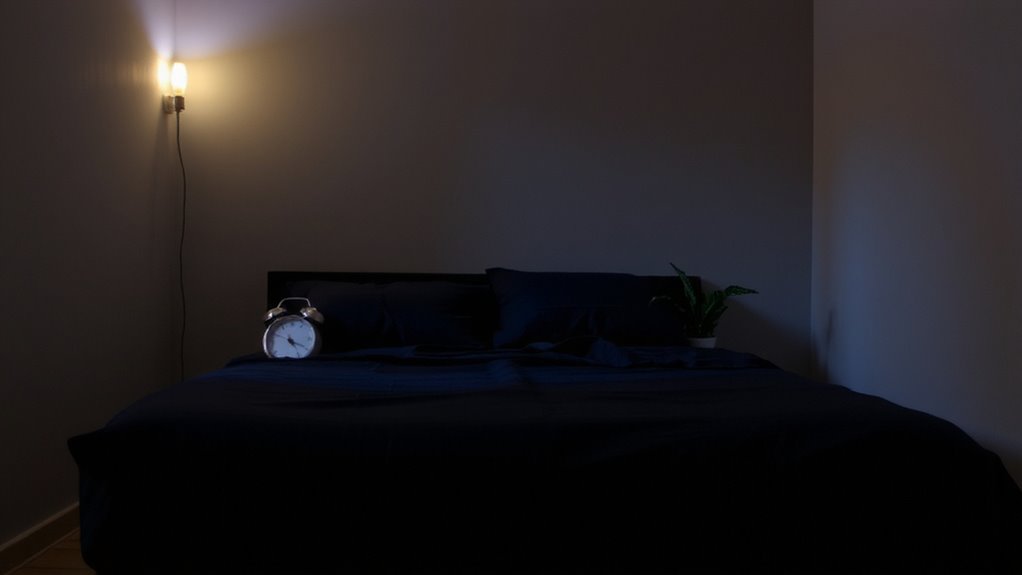
If you’re trying to shift your sleep schedule earlier, smart lighting can help guide your body’s internal clock with precise timing and color control. You can program your lights to simulate an artificial dawn each morning, gradually increasing brightness to mimic sunrise. This gentle start helps ease your body out of sleep without shock. Later in the day, reducing blue lighting in the evening supports melatonin release, making it easier to fall asleep earlier. Start by shifting your light schedule in 15- to 30-minute increments daily, aligning your bedtime with your new rhythm. Many smart bulbs let you customize color temperature and brightness, so you can lower blue light exposure at night. Systems with timers and app control offer consistency, which is key for long-term adjustment. Test different settings over a few weeks to see what helps you maintain a stable sleep pattern. A reliable smart lighting system can simplify this process by automating these transitions seamlessly.
Use Morning Light to Reset Your Circadian Rhythm
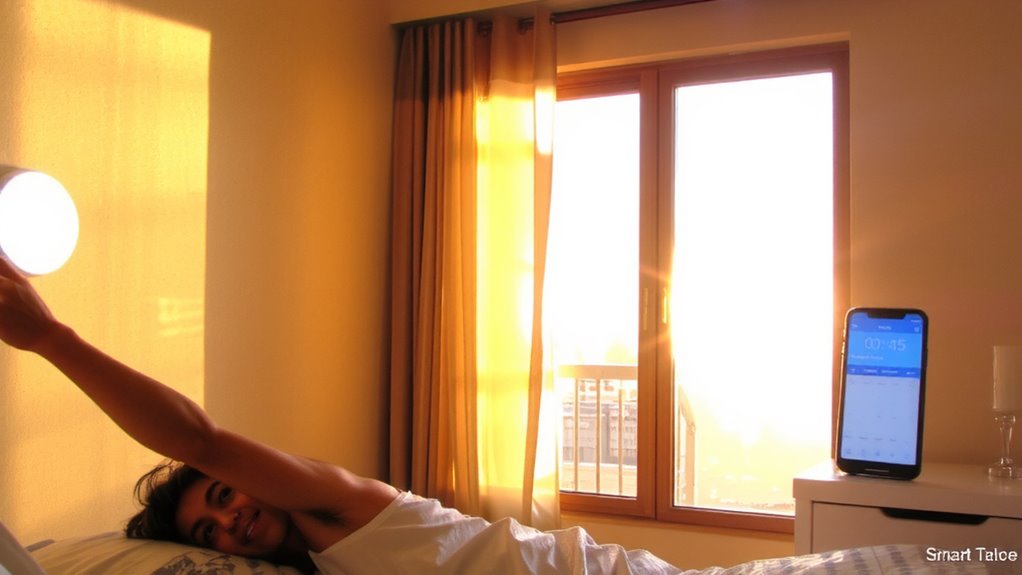
You’ve already started adjusting your sleep schedule with timed lighting changes, and now focusing on morning light can further align your body’s clock. Exposure to bright, blue-enriched light in the morning helps signal to your brain that it’s time to wake up, making it easier to shift your rhythm earlier. Using dawn simulation, your lights gradually brighten before your alarm, mimicking sunrise and easing your body out of sleep naturally. This gentle shift supports melatonin reduction, promoting alertness. For best results, aim for 30–60 minutes of morning blue light exposure, ideally within an hour of waking. Position your light source at eye level without staring directly at it. Consistency matters-using dawn simulation daily, even on weekends, improves outcomes. Over time, this practice strengthens circadian cues, helping your internal clock stabilize. Small, steady changes like these support lasting improvements in sleep timing. A well-designed wake-up light can enhance the effectiveness of dawn simulation by providing controlled, gradual brightness and appropriate color temperature.
Pick Smart Bulbs That Support DSPD Treatment
Smart lighting systems can make a meaningful difference in managing Delayed Sleep Phase Disorder, but choosing the right smart bulbs matters. Look for bulbs that let you adjust color temperature, shifting from cool, blue-rich light in the morning to warmer tones later. This supports your circadian rhythm when paired with proper scheduling options. Pick models compatible with apps or smart hubs so you can automate when lights turn on and off each day. Reliable performance matters-choose brands offering smooth dimming and consistent color accuracy. Check warranty terms, since some manufacturers offer longer coverage for home health use. Test bulbs in one room first to see how well they fit your routine. Not all smart bulbs respond quickly or sync easily, so trial periods help. Prioritize ease of setup and scheduling precision to build a dependable lighting plan that supports DSPD treatment over time. For optimal health benefits, choose bulbs designed with best light bulbs for health in mind, as these are engineered to support circadian alignment and overall wellbeing.
Create an Evening Wind-Down With Warm, Dim Light
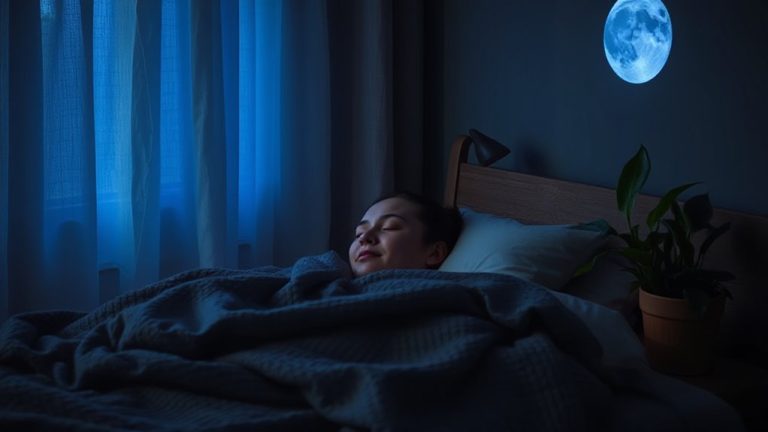
As the day winds down, your lighting choices play a key role in signaling to your body that it’s time to prepare for sleep. You can use smart bulbs to shift gradually into a warm, dim light that supports your natural melatonin release. Set your lights to a low color temperature-around 2700K or lower-in the evening to mimic sunset and reduce blue light exposure. This change helps ease your mind and prepares you for a consistent relaxation routine, whether you’re reading, stretching, or meditating. Dimming the lights by 60–80% in the two hours before bed enhances the shift to sleep. Most smart bulbs let you preset these settings through an app, so you don’t need to adjust them manually each night. Testing different intensities and color temperatures can help you find what works best with your body’s rhythm.
Automate Lights to Follow Natural Daylight Patterns
Although you can manually adjust your smart lighting throughout the day, setting your lights to follow natural daylight patterns automatically helps maintain a steady circadian rhythm with less effort on your part. In the morning, your lights gradually increase in light intensity and shift to a cooler color temperature-around 5000K-to mimic sunrise and support alertness. As the day progresses, they stay bright and cool, reinforcing daytime cues. In the evening, they slowly dim and shift toward warmer color temperature, about 2700K, signaling your body it’s time to wind down. Automation removes guesswork and guarantees consistency, which is especially helpful for managing delayed sleep phase disorder. You can customize schedules based on local sunrise and sunset times, and many systems let you adjust settings as needed. This gradual shift supports your natural sleep-wake cycle using lighting that follows the sun’s daily pattern.
Combine Light Therapy With DSPD Management Strategies
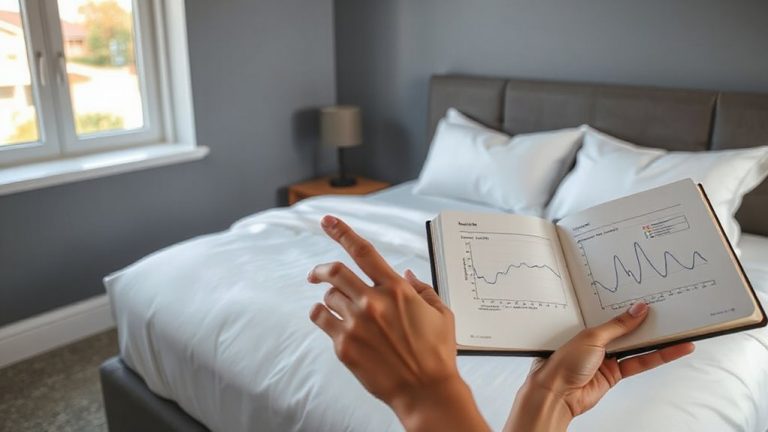
You’ve already set your lights to follow natural daylight cycles, which helps steady your internal clock over time. Now, add morning exposure to bright, blue lighting to signal wakefulness-this strengthens your circadian rhythm when used within an hour of rising. Pair it with screen filtering in the evening to reduce blue light from phones and monitors, especially after sunset. This combo helps delay melatonin suppression at night, making it easier to fall asleep. Use smart bulbs that adjust color temperature automatically or set timers for consistency. Combine these lighting habits with fixed sleep and wake times, even on weekends. Gradual shifts in schedule, along with light therapy, improve sleep onset without drastic changes. Results vary, so track sleep patterns for a few weeks. Most devices offer trials, so test what fits your routine. It’s about small, steady adjustments that support long-term rhythm alignment.
On a final note
You can use smart lighting to help manage delayed sleep phase disorder by gradually shifting your sleep schedule. Morning bright light helps reset your circadian rhythm, while dim, warm light in the evening signals bedtime. Choose bulbs with adjustable color temperatures and automation features to match natural daylight patterns. Pair light therapy with consistent sleep habits for best results. Try systems with easy app controls and warranties, so you can test what works without risk.