Feathering Corners of Hard Pillow Edges to Prevent Pressure Ulcer Formation
You’re at risk for pressure sores if you stay in one position for too long, especially with stiff pillows pressing on your head or ears. Softening the corners by gently shaping the filling helps spread pressure evenly and reduces friction. This simple habit, paired with regular movement, supports skin health overnight. Feathers, memory foam, or latex pillows hold this rounded shape well and stay comfortable with regular fluffing-there’s more to learn about keeping your sleep surface safe and effective.
Notable Insights
- Feathering pillow corners reduces pressure points by softening stiff edges that can restrict blood flow.
- Rounded, pliable edges distribute pressure evenly, lowering the risk of skin breakdown on sensitive areas.
- Regularly reshaping pillow corners helps maintain comfort and prevents friction during head movements.
- Use malleable pillows like memory foam or down alternative for easier and longer-lasting feathering.
- Combine feathered pillows with frequent repositioning to maximize pressure redistribution and ulcer prevention.
What Are Pressure Ulcers? (And Who’s Most at Risk?)
Did you know that staying in one position for too long can lead to sores that harm your skin and deeper tissues? These are pressure ulcers, and they form when blood flow to the skin gets cut off, often over bony areas like hips or heels. You’re more at risk if you have limited mobility, especially with conditions like diabetes complications or vascular insufficiency, both of which slow healing and reduce circulation. Poor blood flow means even small, constant pressure-like from a stiff surface-can damage tissue quickly. Older adults and people in wheelchairs or bedridden are especially vulnerable. Preventing ulcers isn’t just about comfort-it’s about protecting your skin’s health during sleep or long rest periods. Using supportive sleep aids, like properly contoured pillows, can help reduce pressure points. Many quality options come with trial periods, letting you test fit and support before committing.
Why Stiff Pillow Edges Can Cause Sores
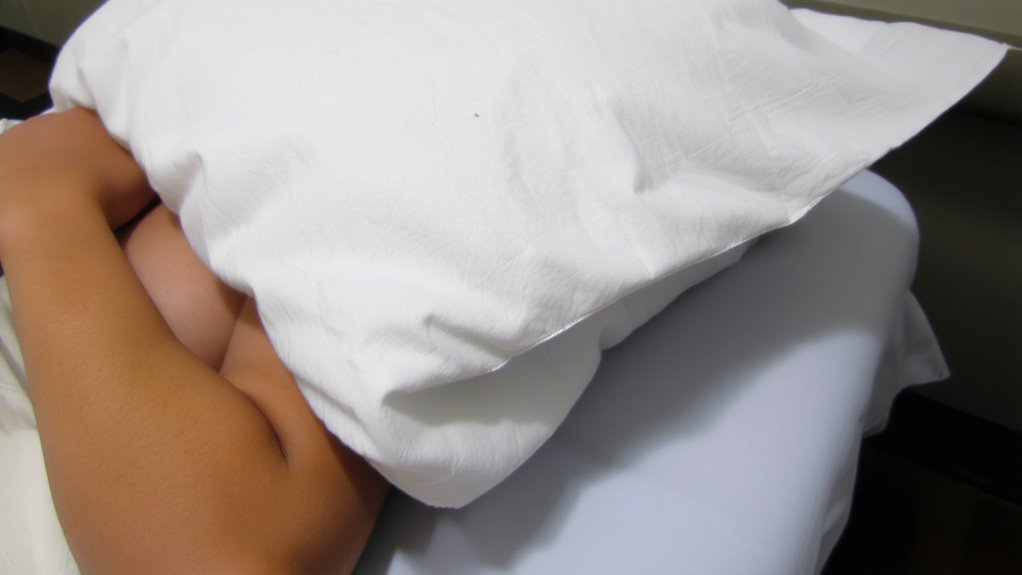
A sharp corner on a stiff pillow might seem harmless, but it can create concentrated pressure points that restrict blood flow over time, especially if you stay in one position for hours. Your risk increases if you have limited mobility or sensitive skin. Pillow stiffness plays a key role-firmer materials don’t conform well to your body, increasing the chance of sustained pressure on small areas like the back of your head or ears. This constant pressure can weaken skin integrity, making it more vulnerable. Combined with slight movements during sleep, stiff edges may also cause edge abrasion, where the pillow’s hard corners rub against your skin, leading to irritation or breakdown. Even minor friction over several hours can contribute to sores, especially if you shift slightly but repeatedly. Choosing softer materials or rounded designs may reduce these risks during long rest periods.
How Feathering Pillows Reduces Pressure on Skin
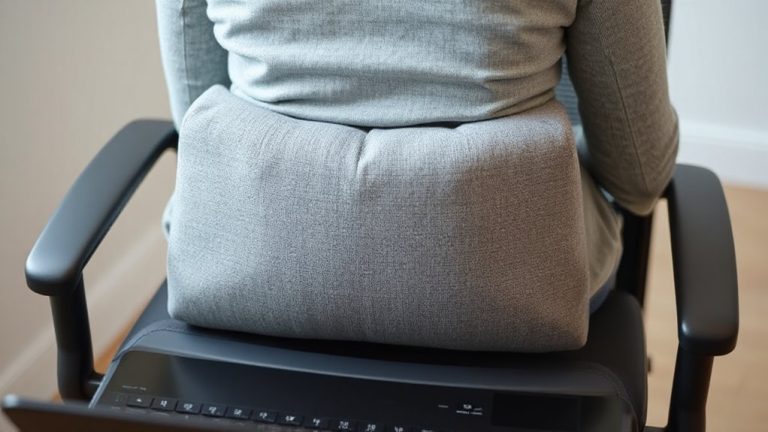
You’re likely to notice less discomfort when you sleep on a feathered pillow, since the soft, pliable edges spread pressure more evenly across your head and neck. This even distribution reduces stress on any single skin area, lowering the risk of pressure ulcers over time. Feathering corners through pillow fluffing helps maintain that supportive yet yielding structure night after night. With regular edge softening, the pillow conforms better to your shape, minimizing friction and shear forces that can damage delicate skin, especially during long periods of rest. Unlike firm, unyielding edges, a properly feathered pillow adapts as you shift, supporting natural movement without creating pressure points. You’ll find this particularly helpful if you’re prone to soreness or managing mobility concerns. Over time, consistent fluffing preserves the pillow’s performance, extending comfort and usefulness. Consider trying feathered pillows if you need gentle support that balances firmness with softness-many offer trial periods to test suitability.
Step-by-Step: Feathering Pillow Corners for Comfort
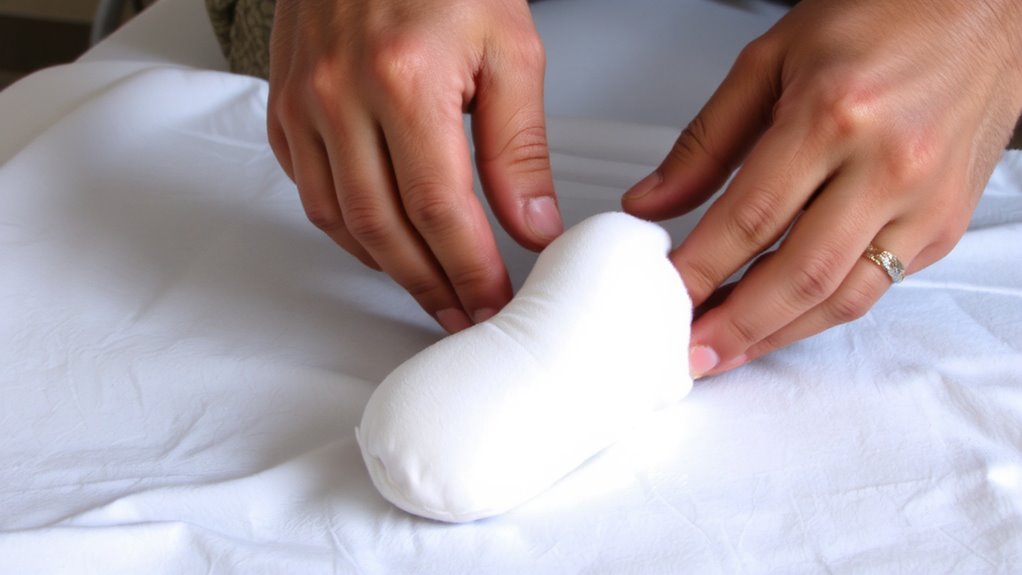
While it might seem small, properly shaping the corners of your pillow can make a noticeable difference in how well you rest. Feathering the edges softens pressure points, especially if you shift positions at night. This tweak also boosts pillow aesthetics and supports long-term fabric durability by reducing stress on seams.
| Step | Action | Benefit |
|---|---|---|
| 1 | Choose a pillow with malleable filling | Easier to shape and maintain |
| 2 | Gently pull filling toward corners | Creates smoother, rounded edges |
| 3 | Smooth the fabric by hand | Enhances comfort and appearance |
| 4 | Repeat weekly | Preserves structure and fabric durability |
You don’t need special tools-just a few minutes. Proper shaping supports even weight distribution, which may help reduce strain. Over time, this small habit can improve sleep comfort, especially if you’re sensitive to pressure. Always check care labels to maintain performance.
Best Pillows for Pressure Relief and Easy Feathering
Memory foam, down alternative, and latex stand out when you’re looking for pressure relief and simple corner shaping. Memory foam benefits include contouring to your head and neck, reducing pressure points effectively. Its dense structure holds feathered edges well, maintaining shape after modification. Look for ventilated or open-cell designs to support airflow enhancement, which helps regulate temperature. Down alternative pillows offer softness and are easier to reshape, often machine-washable-a plus for hygiene. Latex provides firm support and naturally resists dust mites, with excellent durability. While denser than other options, it still allows precise feathering. Many quality models come with trial periods or warranties, letting you test comfort and support. Consider pillow height and firmness based on your sleep position-side sleepers often need more loft, while back sleepers may prefer medium height. Each material balances support, breathability, and adaptability differently, so weigh your needs carefully. For side sleepers, choosing the right pillow can make a significant difference in spinal alignment and comfort, with top models offering targeted best pillows for side sleepers support.
Pair Feathering With Repositioning and Padding
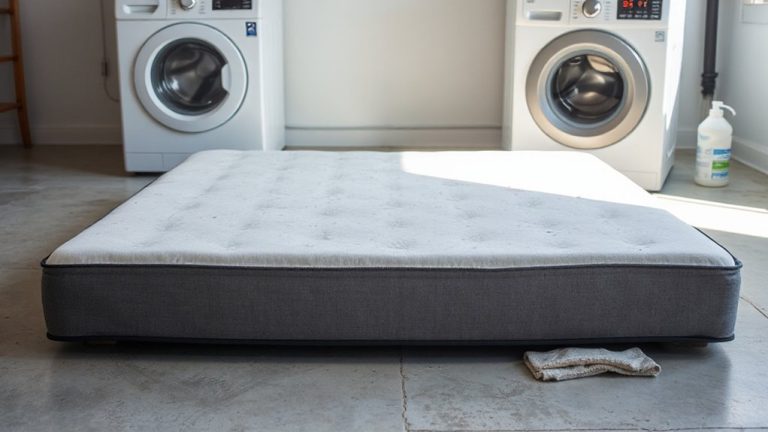
Shaping the corners of your pillow is just the first step-how you use that modified support matters just as much. Pair feathering with regular repositioning every 1–2 hours to enhance pressure redistribution and reduce prolonged skin stress. Combine this with soft padding, like foam overlays or silicone gel sheets, especially over bony areas, to further minimize shear and friction. These layers also help manage the skin microclimate by wicking moisture and allowing airflow. Don’t rely on the pillow alone; proper positioning technique-such as the 30-degree tilt in bed-improves effectiveness. Check if your sleep surface supports pressure redistribution evenly, since a firm mattress can reduce benefits. Trial periods on pillows and pads let you assess comfort and fit. When used together, feathering, repositioning, and padding create a practical routine that supports skin integrity during rest.
Better Sleep, Healthier Skin: Real Results From Feathering
If you’ve tried standard pillows without seeing improvements in skin comfort or sleep quality, feathering the corners of a firmer pillow might make a noticeable difference. By gently shaping the edges to reduce pressure points, you support better alignment and uninterrupted rest. Users report improved sleep quality, especially when paired with regular repositioning. The softened corners help maintain skin resilience by minimizing friction and shear forces overnight. This simple modification doesn’t compromise the pillow’s support but enhances comfort where it matters most. Many healthcare providers recommend testing feathered pillows for seven to ten nights to assess changes in both skin condition and rest patterns. Some brands even offer trial periods or warranties on adjustable pillows designed for this use. While results vary, consistent feedback highlights fewer skin irritations and more restful nights. It’s a low-cost, low-risk step worth considering for long-term skin and sleep health.
On a final note
You can prevent pressure ulcers by softening stiff pillow edges through feathering, which evenly distributes head and neck pressure. Choosing supportive, compressible pillows makes feathering easier and more effective. Combine this technique with regular repositioning and padding for best results. Look for pillows with removable covers and trial periods to test comfort and performance. Small adjustments improve sleep quality and skin health over time.