Best Pillows for Hand Numbness That Doctors Recommend
Choose a pillow with a contoured design and arm grooves to keep your shoulders aligned and reduce nerve pressure, especially if you’re a side sleeper. Look for models with CertiPUR-US and OEKO-TEX certifications to guarantee safe, durable foam. Memory foam with targeted support helps maintain proper spinal alignment, while breathable covers and cooling channels prevent overheating. Many top options include a 10-year warranty and trial period, so you can test comfort over time-your best choice depends on your sleep position and body shape. Exploring these features further will help match your needs more closely.
We are supported by our audience. When you purchase through links on our site, we may earn an affiliate commission, at no extra cost for you. Learn more. Last update on 19th July 2026 / Images from Amazon Product Advertising API.
Notable Insights
- Contoured pillows with arm grooves reduce brachial plexus pressure, helping prevent hand numbness during sleep.
- A 15° tilt and dual-height design (3.5–5.5 inches) support spinal alignment for side and back sleepers.
- Hollow midsections and elevated wings maintain shoulder alignment within 30–45 degrees to minimize nerve compression.
- Shredded memory foam provides durable, adaptive support while preventing the sagging that can misalign the neck.
- Breathable covers and open-cell foam enhance cooling, reducing restless movements that exacerbate nerve pressure.
Osteo Enjoy Pain Relief Cervical Pillow

If you’re someone whose sleep gets interrupted by hand numbness-especially when it stems from poor neck alignment or shoulder pressure-then the Osteo Enjoy Pain Relief Cervical Pillow might be your best bet. I’ve found its ergonomic design, shaped by chiropractors, really supports natural neck alignment. The contoured center cradles my head, while the ACR zone and wider armrest keep my shoulders from compressing nerves. It works whether I sleep on my side, back, or stomach. The high-density, open-cell memory foam stays firm but never feels stiff, and it doesn’t trap heat like other foams. I noticed less numbness within a few nights. Its cooling cover helps, too. With a 10-year warranty and 100-night trial, trying it feels risk-free.
Best For: Individuals seeking relief from neck and shoulder pain, particularly those experiencing hand numbness due to poor spinal alignment during sleep.
Pros:
- Ergonomic, chiropractor-approved design promotes proper neck and spine alignment for side, back, and stomach sleepers
- High-density, open-cell memory foam provides consistent support without heat retention and includes a cooling Q-Max pillowcase
- Backed by a 10-year warranty and 100-night sleep trial, ensuring risk-free testing and long-term durability
Cons:
- May require an adjustment period for users to get accustomed to the contoured shape
- Firmer feel may not appeal to those who prefer plush or soft pillows
- Higher price point compared to standard memory foam or fiberfill pillows
DONAMA Cervical Memory Foam Pillow

The DONAMA Cervical Memory Foam Pillow stands out for sleepers seeking relief from hand numbness tied to neck misalignment, especially those who shift positions at night. I notice its contoured design supports my head, neck, and shoulders while keeping my spine aligned. With two height options-3.54 and 5.51 inches-it works whether I sleep on my side, back, or stomach. The arm grooves add comfort, and the high-density, CertiPUR-US certified foam offers firm, slow-rebound support. It needs 24+ hours to expand fully. The breathable, removable cover is washable, helping me stay cool. DONAMA’s design is tested for better sleep, though I’d still consult a doctor for medical concerns. It’s worth a try if you want reliable support without overheating.
Best For: Sleepers seeking ergonomic support to alleviate neck and shoulder discomfort while maintaining spinal alignment across multiple sleep positions.
Pros:
- Contoured design with dual-height options accommodates side, back, and stomach sleepers for optimal spinal alignment
- CertiPUR-US certified high-density memory foam provides firm, slow-rebound support for lasting comfort
- Breathable, removable, and machine-washable cover helps regulate temperature and maintain hygiene
Cons:
- Requires 24+ hours to fully expand after unboxing, delaying immediate use
- May feel too firm for users preferring soft, plush pillow textures
- Not designed for medical treatment; individuals with chronic sleep or neck issues should consult a physician
Cervical Neck Pillow for Pain Relief
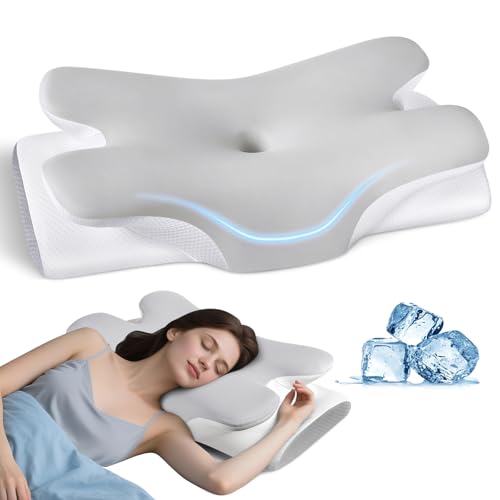
You’ll likely benefit most from a cervical neck pillow if you experience hand numbness tied to neck or spinal misalignment during sleep, since its ergonomic design actively supports proper spinal curvature. I’ve found the contoured shape, with a 15° tilt and asymmetrical height difference, helps reduce strain by aligning your head and neck just right. It works whether you’re a side, back, or stomach sleeper thanks to its dual-height design. The high-density memory foam stays durable and supports my neck without flattening over time. Cooling tech and airflow channels keep things comfortable, and the washable cover makes upkeep easy. With a solid warranty, it’s a practical choice worth trying.
Best For: Individuals experiencing neck or hand numbness due to spinal misalignment during sleep who need targeted cervical support across multiple sleeping positions.
Pros:
- Ergonomic 15° tilt and dual-height contour promote proper spinal alignment for side, back, and stomach sleepers
- Certified high-density memory foam with cooling technology and 3D airflow channels enhances comfort and temperature regulation
- Durable, washable cover with a 1-year free replacement guarantee and 3-month return policy ensures long-term satisfaction
Cons:
- Contoured design may require an adjustment period for users unaccustomed to cervical pillows
- Cooling performance may vary depending on ambient room temperature and individual body heat
- Asymmetrical shape may not suit those who frequently shift between extreme sleeping positions without repositioning the pillow
Cervical Neck Pillow Memory Foam Support
A cervical neck pillow with memory foam support works especially well for anyone whose hand numbness stems from poor neck alignment during sleep. I’ve found the slow-rebound foam molds gently to my neck and shoulders, keeping my spine aligned whether I sleep on my side, back, or stomach. Its heart-shaped design supports my head and hands evenly, while the breathable mesh zones reduce pressure. The CertiPUR-US certified foam holds its shape, and the soft, removable cover is machine washable. It arrived vacuum-packed, so I let it air out for a day. At just over three pounds, it’s lightweight but supportive, and I wake up with less stiffness.
Best For: Individuals experiencing hand numbness or neck discomfort due to poor spinal alignment during sleep, seeking a supportive, ergonomic pillow for side, back, or stomach sleeping positions.
Pros:
- Slow-rebound memory foam provides customized contouring and long-lasting support to maintain proper spinal alignment
- Heart-shaped design with breathable mesh zones offers comfort for head, neck, shoulders, and hands across all sleep positions
- Removable, machine-washable cover and CertiPUR-US certified materials ensure safety, hygiene, and durability
Cons:
- May have a slight odor upon unboxing, requiring 24 hours of airing out before use
- Vacuum-sealed packaging can delay full expansion and readiness for immediate use
- Lightweight design (3.25 lbs) may feel less substantial for users preferring heavier, more dense pillows
Cervical Neck Pillow for Pain Relief

If you’re waking up with tingling hands or neck stiffness, a cervical neck pillow designed for proper spinal alignment might be the solution you’ve overlooked. I’ve tried one with a contoured, US-patented shape that supports the neck’s natural curve, easing strain on shoulders and spine. It uses CertiPUR-US and Oeko-Tex certified memory foam-firm yet soft, holding its form without sagging. Two height options (5.5” and 3.7”) let me switch sides based on whether I’m a back or side sleeper. The breathable ice silk cover removes easily, stays cool, and washes without damage. A slight odor after unpacking fades in a day. While not a medical fix, it helps align my spine, and if you’re curious, customer support answers questions quickly.
Best For: People seeking a supportive, ergonomically designed pillow to relieve neck pain and improve spinal alignment during sleep.
Pros:
- Contoured, US-patented design with dual-height options (5.5” and 3.7”) for personalized neck support and compatibility with side, back, and stomach sleeping positions
- Made with CertiPUR-US and Oeko-Tex certified memory foam that provides firm, durable support while maintaining a soft, pressure-relieving feel
- Features a removable, breathable ice silk cover with 3D air holes for enhanced airflow, moisture-wicking, and easy machine washing
Cons:
- May have a slight off-gassing odor upon unboxing that requires up to 48 hours to dissipate
- Not a medical treatment and may not fully address chronic or severe neck and shoulder conditions
- Dual-height design may take adjustment time for users unaccustomed to contoured pillows
Cervical Neck Pillow with Memory Foam
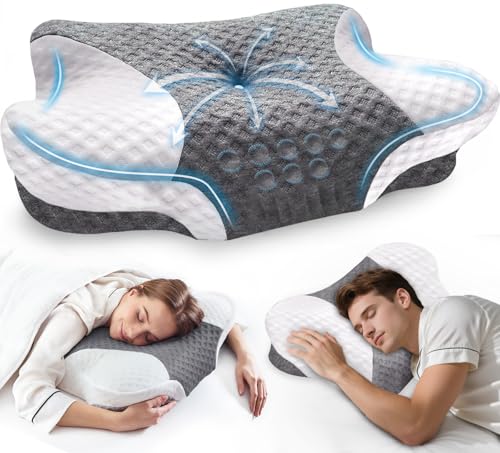
The Cervical Neck Pillow with Memory Foam stands out for those whose hand numbness stems from poor neck alignment, especially after long hours at a desk, on a phone, or gaming. I’ve found its contour design supports my neck and keeps my spine neutral, reducing stiffness. The high-density foam adapts slowly, offering solid yet comfortable support. One side is firmer at 4.0 inches, the other softer at 3.45 inches-so I switch based on whether I sleep on my side or back. It takes 3–5 nights to adjust. A breathable, triple-layer mesh cover stays cool and zips off to wash, which helps me stay fresh at night.
Best For: Individuals seeking relief from neck pain and stiffness caused by poor posture, especially office workers, frequent phone users, and gamers.
Pros:
- Ergonomic contour design with dual-height adjustability supports proper neck alignment for side, back, and stomach sleepers
- High-density memory foam provides slow-rebound support and maintains shape over time
- Removable, machine-washable cooling cover enhances hygiene and comfort during hot nights
Cons:
- May require 3–5 nights to adjust to the ergonomic structure, which can be uncomfortable initially
- Not intended for medical use, so may not address clinical cervical conditions
- Cooling cover may lose breathability over time with repeated washing
Side Sleeper Pillow with Arm Hole
Though I sleep on my side and often wake with tingling in my arms, the Eliteguard Arm Hole Pillow helps by offering a dedicated arm cavity that promotes proper alignment and reduces nerve compression. It’s made with CertiPUR-US certified memory foam for balanced support and comfort, and the removable, breathable cover-60% polyester, 40% lyocell-is machine-washable. At 23.6 x 17.3 x 6 inches, its patented design fits most adults, while the arm hole adjusts to curled or stretched positions. Though not a medical fix, it may ease minor shoulder or neck strain linked to sleep posture. I still recommend seeing a doctor for ongoing pain.
Best For: Side sleepers seeking relief from arm numbness and neck or shoulder discomfort caused by poor sleep posture.
Pros:
- Ergonomically designed with an arm hole to reduce nerve compression and enhance comfort during side sleeping
- Made with CertiPUR-US certified memory foam for balanced support and durability
- Removable, machine-washable cover made of breathable 60% polyester, 40% lyocell fabric for easy maintenance
Cons:
- Not a medical solution; results may vary for individuals with chronic pain
- Limited color options available (only grey)
- May not fit comfortably for taller individuals or those with broader frames due to fixed dimensions
Arm Pillow Memory Foam Elbow Support (Grey)

I’ve found the Arm Pillow Memory Foam Elbow Support (Grey) works best for people recovering from surgery or dealing with arm numbness that extends into the hand, especially when sleep posture plays a key role in comfort. Its curved groove holds your arm at a gentle, elevated angle, which can ease nerve pressure and reduce swelling. The shredded memory foam gives firm yet comfortable support and resists sagging over time. I use it on my bed or table, and it works for both arm and leg elevation. It fits all adults and layers well with other pillows. The soft, zippered cover comes off easily for washing. Since it arrives vacuum-packed, just let it expand for up to 24 hours before use.
Best For: Individuals recovering from arm or shoulder surgery, or those experiencing arm numbness and swelling that affects sleep comfort and posture.
Pros:
- Ergonomically designed curved groove supports proper arm alignment, reducing nerve pressure and swelling
- High-quality shredded memory foam provides durable, firm support and resists deformation over time
- Versatile use for both arm and leg elevation, with a removable, washable cover for easy maintenance
Cons:
- Requires up to 24 hours to expand after unboxing, delaying immediate use
- Limited size options despite universal fit claim, which may not suit all body types optimally
- Only available in one color, offering no aesthetic variety
SAHEYER Side Sleeper Pillow with Arm Holes

Looking for relief from hand numbness while sleeping? I’ve tried the SAHEYER Side Sleeper Pillow with Arm Holes, and it helps by supporting natural arm positioning. Its three arm holes reduce shoulder pressure and improve blood flow, which may prevent numbness. The contoured design aligns my neck and spine whether I sleep on my side, back, or stomach. If you use a CPAP, the mask notches keep the device stable and reduce leaks. A breathable, washable cover keeps me cool. It’s best if you weigh under 166 lbs. I took advantage of the 90-day trial-gave me time to adjust and decide.
Best For: Side sleepers seeking relief from arm numbness, shoulder pain, or CPAP users needing mask-friendly pillow support.
Pros:
- Ergonomic design with three arm holes improves blood flow and reduces shoulder pressure to prevent numbness
- Contoured cervical support aligns neck and spine for side, back, and stomach sleepers
- CPAP-friendly cutout notches reduce mask displacement and facial pressure
Cons:
- Recommended only for individuals weighing under 166 lbs, limiting suitability for heavier users
- Requires a two-week adaptation period, which may delay comfort perception
- Premium materials may come at a higher price point compared to standard pillows
Sleep Doctor Approved Cervical Neck Pillow
The Sleep Doctor Approved Cervical Neck Pillow is a solid choice if you’re dealing with hand numbness tied to poor neck alignment, especially when side or back sleeping compresses nerves overnight. I’ve found its contoured design keeps my spine neutral, with a hollow center that cradles my head and a raised edge that supports my neck just right. One side gives more lift for side sleeping, the other less for back sleepers like me. It’s breathable, thanks to cooling fabric and open-cell foam, so I don’t overheat. Made from eco-friendly materials, it off-gasses zero fumes. There’s a short break-in period, but once adjusted, it helps me sleep longer and wake with less stiffness. Customer support’s also responsive if you have fit questions.
Best For: Individuals experiencing hand numbness or neck pain due to poor spinal alignment during sleep, particularly side and back sleepers seeking ergonomic support and cooling comfort.
Pros:
- Ergonomic contoured design promotes neutral spine alignment and reduces cervical stress for pain relief
- Reversible structure with two height options accommodates multiple sleep positions and body types
- Eco-friendly materials and advanced cooling technology prevent overheating and eliminate off-gassing
Cons:
- Requires a short adjustment period to get used to the unique shape and support level
- May not fit users with larger head-to-neck length (>10.75 inches) or broader shoulders (>21.6 inches)
- Manual measurement variances (±0.5–1 inch) may affect perceived consistency in sizing
Factors to Consider When Choosing a Pillow for Hand Numbness
You’ll want a pillow that supports proper spinal alignment, so look for ergonomic design features that keep your neck and shoulders in a neutral position. If you’re a side sleeper, firm support is key to prevent nerve compression, and breathable, cooling materials can help regulate temperature throughout the night. Check for safety certifications, adjustable height options, and trial periods so you can test the pillow’s comfort and performance risk-free.
Ergonomic Design Features
While your sleep position plays a big role in hand numbness, the pillow’s ergonomic design can make a meaningful difference in how your arms and shoulders carry pressure overnight. Look for contoured shapes with recessed zones or cutouts that let your arms rest naturally, easing nerve strain. Pillows with an extended armrest area give your limbs space, reducing compression and supporting blood flow. Asymmetrical models with a 1-inch height difference between sides help align your neck and spine, lessening stress that might pinch nerves. A hollow midsection and elevated wings support your cervical curve while keeping shoulder pressure low. Dual-height options let you pick the loft that keeps your shoulders and arms in neutral alignment. These features work together to minimize nerve interference so you wake with less tingling and more comfort.
Support For Side Sleepers
Pillows built with side sleeping in mind take pressure off the nerves that run from your neck to your hands, especially when they include design elements that keep your arms and shoulders properly aligned. Look for contoured styles with a dedicated armrest area to support your arm at shoulder level, reducing strain on nerves. Cutouts or grooves help hold your elbow and forearm in a neutral position, maintaining healthy blood flow and nerve function. Choose high-density memory foam-it keeps your arm from sinking too deep, which can compress nerves. A width of at least 14 inches gives your shoulder enough space, easing pressure on the brachial plexus. These features work together to support long-term comfort and reduce hand numbness overnight.
Breathability And Cooling
Since overheating can worsen circulation problems tied to hand numbness, choosing a pillow with strong breathability and cooling features makes a meaningful difference in how well you sleep. Look for open-cell memory foam-it lets heat escape faster than traditional foam, helping avoid trapped warmth that may affect blood flow. Pillows with Q-max fabric give an instant cool feel by pulling heat away from your skin. A breathable mesh cover can boost airflow by up to 50%, keeping the area around your neck and shoulders cooler. Some cores also include 3D airflow channels that cut surface heat by as much as 15°F, reducing night sweats that could disrupt circulation. These features help stabilize your body temperature, which may lower nighttime numbness. Better breathability means steadier sleep and less irritation.
Material Safety Certifications
A growing number of sleepers are prioritizing material safety when choosing a pillow, and for good reason-your neck and head rest against it for hours, making it essential to know what chemicals aren’t lurking inside. Look for CertiPUR-US certification, which confirms the memory foam is free from formaldehyde, phthalates, heavy metals, and has low VOC emissions. That means less indoor air pollution and fewer respiratory irritants. You should also check for OEKO-TEX Standard 100, which tests all materials-including fabrics-for over 100 harmful substances like allergens, pesticides, and carcinogenic dyes. Both certifications rely on independent lab testing, so you’re not just trusting marketing claims. When a pillow has both CertiPUR-US and OEKO-TEX labels, you get broader, more reliable proof the materials are safe for long-term skin contact. That’s especially important if you have sensitivities or value healthier sleep surroundings.
Adjustable Height Options
One inch can make a real difference when it comes to easing hand numbness through better pillow support. Adjustable height pillows let you pick the loft that keeps your wrist and arm in line, reducing nerve pressure. Dual-height designs often offer 3.5 and 5.5 inches, so you can switch based on sleep position. Side sleepers usually need higher support-5 inches or more-to fill the shoulder gap and protect the brachial plexus. Back and stomach sleepers often do better with lower lofts under 4 inches to avoid arm strain. Proper contouring keeps your head and neck aligned, stopping shoulder slump that compresses nerves. Small height changes affect arm elevation and blood flow, especially at night. These pillows let you test what works, often coming with trial periods so you can adjust without risk.
Arm And Shoulder Alignment
Proper alignment of your arms and shoulders plays a key role in preventing nerve compression that leads to hand numbness overnight. When your shoulder and neck are out of line by more than 10 degrees, you’re more likely to compress nerves like the brachial plexus. Look for pillows with contoured or recessed zones that let your shoulder sink slightly, keeping your arm neutral and reducing rotator cuff strain. A widened armrest or cutout helps maintain a natural 30–45 degree shoulder angle, which guards against neurovascular pressure. Some designs lift your arm slightly above heart level, improving circulation and cutting down on fluid buildup that can cause numbness. These features work together to support better nerve flow and reduce discomfort. Choosing a pillow with targeted arm and shoulder support isn’t a fix-all, but it can make a real difference in how your arms feel in the morning.
Washable And Hygienic Covers
You’ve likely noticed how your sleeping position affects more than just comfort-misalignment can trigger hand numbness, but what you rest your head on also plays a part in long-term health and sleep quality. Look for pillows with washable covers that endure at least 50 machine washes without wear, ensuring lasting cleanliness. A zipper enclosure lets you remove and reattach the cover securely, protecting the foam during cleaning. Double-layer covers-with a breathable outer fabric and a dustproof inner liner-block allergens and moisture. Fabrics treated with antimicrobial or moisture-wicking properties reduce odor-causing bacteria and keep the pillow fresh. Hypoallergenic, skin-friendly materials help prevent irritation, especially if you have sensitive skin. These features work together to support a clean, healthy sleep environment-important when managing symptoms like hand numbness over time.
Frequently Asked Questions
Can Hand Numbness Be Caused by Sleeping Position?
Yes, you can wake up with numb hands because your sleeping position compresses nerves or restricts blood flow, especially if you sleep on your arm or with your wrist bent. Adjusting your posture helps, but the right pillow supports your neck and spine, reducing strain. Look for contoured or adjustable pillows that keep your head aligned. Many come with trial periods, so you can test comfort and support before committing.
Are Memory Foam Pillows Good for Shoulder Pain Too?
Yes, memory foam pillows can help with shoulder pain because they hold their shape and support your neck’s natural curve. You’ll keep your spine aligned when you sleep, which reduces strain on your shoulders. The foam molds to your head and responds to body heat, but some types feel too firm. Look for ones with a removable cover and a trial period so you can test comfort and support risk-free.
How Often Should I Replace My Cervical Pillow?
You should replace your cervical pillow every 18 to 36 months, depending on wear and material. Memory foam loses support over time, especially if it sags or feels lumpy. Check for flattened areas that no longer rebound. If you wake with stiffness or numbness, it’s likely time. High-quality models often come with trial periods and warranties, so use those to test long-term comfort and durability before committing.
Do Arm Hole Pillows Help With Circulation?
Yes, arm hole pillows can help with circulation by encouraging side sleeping and reducing pressure on shoulders and arms. You maintain a natural arm position, which may prevent nerve compression. These pillows often feature contoured foam that supports alignment. Look for models with breathable materials and adjustable fill. Most offer trial periods, so you can test comfort and effectiveness. Results vary, but many find improved blood flow and reduced numbness over time.
Can a Pillow Cure Carpal Tunnel Symptoms?
No, a pillow can’t cure carpal tunnel symptoms, but it can help manage them. You reduce pressure on your median nerve by keeping your wrist neutral during sleep. Look for supportive pillows that align your neck and shoulders without forcing your arms into awkward positions. Some designs include arm slots or cutouts to promote better circulation. Try models with trial periods so you can test comfort and effectiveness. Always pair pillow changes with medical advice for best results.