Best Magnesium Supplements for Soothing Nerve Pain Naturally
You can ease nerve discomfort naturally with magnesium glycinate or transdermal creams like Rooted In Relief, which delivers 500 mg per teaspoon and absorbs quickly without greasiness. For systemic support, consider slow-release tablets such as SlowMag or full-spectrum blends like Magnesium Breakthrough. Topical options avoid digestive issues, while oral forms support long-term nerve function-many brands offer 90-day guarantees, so you can test what works best for your body’s needs.
We are supported by our audience. When you purchase through links on our site, we may earn an affiliate commission, at no extra cost for you. Learn more. Last update on 4th June 2026 / Images from Amazon Product Advertising API.
Notable Insights
- Magnesium glycinate is highly absorbable and crosses the blood-brain barrier to support calm nerve function and reduce nerve pain.
- Topical magnesium creams with chloride provide targeted relief, bypass the gut, and minimize digestive side effects.
- Combining magnesium with B-vitamins enhances nerve integrity and supports natural recovery from neuropathic discomfort.
- Enteric-coated or slow-release supplements improve absorption and maintain steady magnesium levels for consistent nerve support.
- High-potency, multi-form magnesium supplements offer broader bioavailability for comprehensive nerve pain relief.
Mars Wellness MG+ Magnesium Cream Pain Relief

If you’re dealing with nerve pain from neuropathy or muscle-related discomfort like leg cramps and carpal tunnel, Mars Wellness MG+ Magnesium Cream offers a targeted, non-invasive option that works quickly where you need it most. I’ve found it helps ease inflammation and soreness thanks to magnesium sulfate and Arnica Montana, both known for calming irritated tissues. It absorbs cleanly, so I can apply it at home, after workouts, or even during long workdays without mess. The 4 oz tub is travel-friendly, and since it’s made in the U.S. with natural ingredients, I feel confident using it daily. Mars Wellness doesn’t offer a trial, but their responsive support makes reaching out easy if questions come up.
Best For: Individuals seeking fast-acting, natural relief from nerve pain, muscle soreness, and inflammation due to neuropathy, leg cramps, or repetitive strain injuries like carpal tunnel.
Pros:
- Combines magnesium sulfate and Arnica Montana for effective, non-invasive pain relief
- Made with natural ingredients, manufactured in the USA, and absorbs cleanly without residue
- Suitable for multiple use cases including post-workout recovery, daily home use, and professional settings
Cons:
- No trial offer available for first-time users
- Limited quantity per tub (4 oz) may require frequent repurchasing
- Effectiveness may vary for individuals with severe or chronic pain conditions
Nature’s Bounty Magnesium 500mg Tablets 200 Count

I find Nature’s Bounty Magnesium 500mg Tablets especially helpful for older adults who need stronger support for nerve and muscle function, since magnesium absorption tends to drop with age. Each tablet delivers 500 mg of magnesium-119% of the daily value-supporting nerve impulses, muscle contractions, and energy metabolism. I appreciate the high potency, which can help maintain bone health and proper muscle function over time. The coated tablets are easy to swallow, and the formula avoids artificial flavors, sweeteners, and gluten. For those managing nerve discomfort, consistent daily use may support long-term nerve health as part of a balanced routine.
Best For: Older adults seeking high-potency magnesium support for nerve, muscle, and bone health due to age-related declines in magnesium absorption.
Pros:
- Supports nerve impulses, muscle contractions, and energy metabolism with 500 mg of magnesium per tablet
- Coated tablets for easy swallowing, free from artificial flavors, sweeteners, and gluten
- Promotes long-term bone health and mineralization, especially beneficial as magnesium absorption decreases with age
Cons:
- High dose may not be suitable for individuals with kidney issues or those requiring lower magnesium intake
- 119% daily value may exceed needs for some adults, increasing risk of digestive discomfort
- Not specifically formulated for fast absorption, which may affect efficacy in individuals with malabsorption concerns
SlowMag Magnesium Chloride Supplement 120 Count

SlowMag Magnesium Chloride Supplement stands out if you’re looking for steady, well-tolerated magnesium support to help manage nerve pain over time. I appreciate its slow-release tablets, which combine magnesium chloride-known for better absorption than oxide-with calcium and an enteric coating to reduce stomach upset. It supports nerve signaling, muscle relaxation, and heart rhythm, all important if you’re dealing with nerve discomfort. I also find it helpful that magnesium aids calcium absorption, contributing to bone health. While it’s not a quick fix, consistent use may support nerve function, metabolism, and even cognitive clarity. There’s no trial offer, but the formula’s balance makes it a solid, gentle option worth considering.
Best For: Individuals seeking a well-tolerated, slow-release magnesium supplement to support nerve function, muscle relaxation, and long-term nervous system health.
Pros:
- Utilizes highly absorbable magnesium chloride with added calcium for enhanced bone and muscle support
- Enteric-coated, slow-release tablets improve gastric tolerance and reduce risk of stomach upset
- Supports multiple systems including cardiovascular, cognitive, metabolic, and nervous health
Cons:
- Not a fast-acting solution for acute symptoms or immediate pain relief
- Lacks a trial offer, which may deter first-time users
- Contains calcium, which may not be ideal for individuals needing magnesium without additional minerals
Magnesium Breakthrough 500mg 7-Form Sleep Support (30 Capsules)

Magnesium Breakthrough 500mg 7-Form Sleep Support works best for people who want steady nerve and sleep support from a fully bioavailable formula. I take two capsules with dinner when I need deeper rest, or with breakfast to stay calm during busy days. It blends seven forms-glycinate, malate, citrate, and four others-for better absorption, helping maintain balanced levels over time. Since it’s free from artificial additives and harsh metals, it’s gentle on my stomach. I noticed steady improvements in muscle comfort and nighttime relaxation after consistent use. While it’s pricier per dose, the broad-spectrum design supports long-term nerve and sleep health without spikes or crashes.
Best For: Individuals seeking a highly bioavailable, multi-form magnesium supplement to support restful sleep, calmness, and long-term nerve and muscle health.
Pros:
- Combines 7 scientifically selected magnesium forms for optimal absorption and sustained physiological benefits
- Supports multiple health functions including sleep quality, mood balance, muscle recovery, and cognitive focus
- Free from artificial additives, preservatives, and harmful metals, making it gentle on digestion
Cons:
- Higher price point per dose compared to single-form magnesium supplements
- May not provide immediate effects, requiring consistent use for noticeable results
- Limited supply with only 30 capsules per bottle, necessitating frequent repurchasing
Magnesium Cream for Neuropathy & Muscle Pain

When you’re looking for a magnesium supplement that offers targeted relief for nerve discomfort and muscle tension, a topical cream can be especially helpful if you prefer to avoid pills or need fast-acting support. I use this magnesium cream daily, and it absorbs quickly with no greasy feel. Each teaspoon delivers 190 mg of highly absorbable magnesium chloride, which helps ease cramps and neuropathy symptoms. Enriched with shea and mango butters, it softens skin while supporting muscle and nerve function. I apply it to my legs or feet at night-the lavender oil helps me wind down. It’s safe for kids, free of harsh additives, and works well as a foot cream or calming massage lotion.
Best For: Individuals seeking fast-acting, targeted relief from neuropathy, muscle cramps, and nerve discomfort without using oral supplements.
Pros:
- Delivers 190 mg of highly absorbable magnesium chloride per teaspoon for effective topical support
- Non-greasy, fast-absorbing formula enriched with shea butter, mango butter, and lavender oil for skin hydration and relaxation
- Safe for children aged 2 and up, free from harsh chemicals, artificial colors, and irritants
Cons:
- Topical magnesium may cause sensitivity or tingling in some individuals, especially on broken skin
- Effects may be localized rather than systemic, limiting benefits for widespread deficiencies
- Lavender scent, while calming, may not appeal to those sensitive to essential oils
Nerve Relief Supplement 1200mg ALA & B Vitamins
If you’re dealing with persistent nerve discomfort and want a formula built to meet the dosages used in clinical studies, this supplement stands out as a strong choice. I take it daily and notice it delivers 1200 mg of alpha lipoic acid, the exact dose research links to nerve support. Most others skimp with half or less. It combines B1, B6, B12, magnesium glycinate, turmeric, and ginger-each at effective levels. Doctors helped design it, and results often start in 7–10 days, though full repair takes 4–8 weeks. I appreciate the 90-day guarantee-it gives real time to test it without risk.
Best For: Individuals experiencing nerve discomfort, tingling, numbness, or burning sensations who want a high-potency, clinically supported supplement with a full 1200 mg dose of Alpha Lipoic Acid and a comprehensive blend of nerve-supporting nutrients.
Pros:
- Delivers 1200 mg of Alpha Lipoic Acid per serving, matching the clinically studied dosage for effective nerve support
- Contains a science-backed blend of B vitamins, magnesium glycinate, turmeric, and ginger at targeted, effective levels
- Backed by a 90-day money-back guarantee, allowing ample time to assess results without financial risk
Cons:
- High dose of ALA may not be suitable for individuals sensitive to potent supplements or those on certain medications
- Noticeable results may take 4–8 weeks, requiring consistent long-term use for full benefits
- Contains multiple active ingredients, which could be a concern for those preferring simpler, single-ingredient formulations
Rooted In Relief Magnesium Cream 500mg
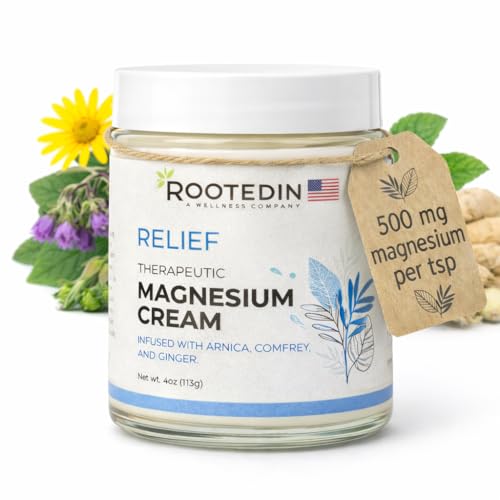
Though many turn to oral supplements for nerve discomfort, I find the Rooted In Relief Magnesium Cream 500mg works best for those who need targeted, fast-absorbing relief without digestive interference. Each teaspoon delivers 500mg of magnesium chloride-twice the strength of most brands-absorbed directly through the skin for quicker results. I appreciate the botanical blend: arnica and ginger reduce inflammation, while white willow bark and wintergreen soothe nerves and muscles. It sinks in fast, leaves no grease, and won’t sting. I’ve used it daily on my legs and neck with consistent relief. Crafted in small batches in Florida with essential oils and stored in glass, it stays potent. It’s vegan, safe for kids, and trusted by over 20,000 users.
Best For: Individuals seeking fast-acting, high-potency transdermal magnesium relief from muscle cramps, nerve discomfort, and joint pain without digestive interference.
Pros:
- Delivers 500mg of pure magnesium chloride per teaspoon, twice the concentration of most competing brands for clinical-strength support
- Combines effective botanicals like Arnica Montana, White Willow Bark, and Ginger to enhance pain relief, reduce inflammation, and support tissue repair
- Fast-absorbing, non-greasy, and sting-free formula that’s vegan, safe for daily use, and suitable for adults and children
Cons:
- Higher price point due to premium ingredients, small-batch production, and glass packaging
- Topical application may not provide systemic magnesium correction for those with severe deficiency
- Scent from essential oils (e.g., Peppermint, Wintergreen) may be strong for sensitive individuals
Sciatic Nerve Support with Magnesium & B-Complex
I rely on this magnesium and B-complex formula because it’s built for people dealing with sciatic discomfort and needing consistent nerve and muscle support, especially if daily movement or posture feels strained. It delivers 800mg of elemental magnesium per serving to help maintain healthy muscle tone and nerve signaling, while B1, B6, and B12 support nerve integrity and energy production. With 120 vegetarian capsules, it’s a two-month supply designed for daily use. The non-GMO, gluten-free formula uses high-quality ingredients to promote long-term nerve and muscle health without unnecessary additives, offering steady support you can count on.
Best For: Individuals seeking targeted nerve and muscle support to help manage sciatic discomfort and improve mobility, flexibility, and posture.
Pros:
- Delivers 800mg of elemental magnesium per serving to support healthy muscle tone and efficient nerve signaling
- Contains essential B-vitamins (B1, B6, B12) that promote nerve integrity, neuromuscular coordination, and cellular energy production
- Non-GMO, gluten-free, vegetarian formula designed for long-term daily use with 120 capsules for sustained support
Cons:
- High magnesium dose may cause digestive discomfort in sensitive individuals
- Focuses specifically on nerve and muscle support, so may not address other underlying causes of sciatic pain
- Only available in capsule form, which may be less convenient for those who prefer alternatives like powders or liquids
Luma Nutrition Magnesium Glycinate 1000mg (60 Caps)

Luma Nutrition Magnesium Glycinate 100mg (60 Caps) stands out for those seeking a high-potency, clean-label option to support nerve function and relaxation, especially if you’re sensitive to additives or prefer plant-based supplements. Each capsule delivers 200mg of elemental magnesium from 1000mg of pure magnesium glycinate, a highly absorbable form that supports muscle comfort and calm. It’s non-GMO, gluten-free, vegan, and has no fillers, making it a clean choice for long-term use. Made in the USA by a veteran-owned business, it’s GMP-certified and third-party tested for purity. Two capsules provide a full dose, offering a 30-day supply per bottle.
Best For: Individuals seeking a high-potency, clean-label magnesium supplement to support muscle comfort, relaxation, and nerve function, especially those preferring vegan, non-GMO, and additive-free formulations.
Pros:
- Provides 200mg of highly absorbable elemental magnesium per capsule from 1000mg magnesium glycinate for effective support of sleep, stress response, and muscle health
- Clean formulation with no fillers, gluten, GMOs, or animal products-suitable for vegan and health-conscious users
- Made in the USA by a veteran-owned business with GMP certification and third-party verification for quality, potency, and purity
Cons:
- High dosage may not be suitable for those requiring lower magnesium intake or new to magnesium supplementation
- Requires two capsules for a full daily dose, which may be inconvenient for some users
- Limited supply of 60 capsules (30-day supply) compared to larger bottle options on the market
Nerve Cream Magnesium Lotion for Sleep & Pain

Have you ever struggled to find relief from nighttime aches that keep you from falling asleep? I’ve found that applying Nerve Cream Magnesium Lotion before bed helps soothe discomfort in my legs, feet, and lower back. It absorbs quickly, leaving no grease, just a light, cooling feel. With magnesium and arnica, it supports nerve and muscle health while easing stiffness. I use it nightly after a long day or post-yoga to unwind. It won’t cure sleep disorders, but it’s a practical aid that may help you relax. For best results, massage into clean skin and allow a few minutes to absorb fully.
Best For: Individuals seeking soothing relief from joint, muscle, and nerve discomfort while supporting relaxation and sleep.
Pros:
- Fast-absorbing, non-greasy formula provides a cooling, comfortable sensation
- Contains magnesium and arnica to support nerve health, muscle relaxation, and circulation
- Ideal for nightly use or post-activity recovery, especially on legs, feet, and back
Cons:
- Not a cure for chronic pain or sleep disorders
- May require consistent use for optimal results
- Topical application only targets localized areas, not systemic issues
Factors to Consider When Choosing Which Magnesium Is Best for Nerve Pain
You’ll want to take into account the form of magnesium first, since some types like glycinate or malate absorb better and may support nerve function more effectively. Think about bioavailability and whether you prefer natural ingredients, as these can impact how well your body uses the supplement and whether it works for your sleep or discomfort. Also, check dosage and potency, and see if targeted options like lotions or pills offer the relief and ease you need.
Form Of Magnesium
While not all magnesium forms deliver the same benefits for nerve pain, choosing the right one can make a meaningful difference in how well your body absorbs and uses the mineral. You’ll find magnesium glycinate especially effective since it crosses the blood-brain barrier and supports calm nerve function. If you prefer topical options, magnesium chloride offers strong transdermal absorption for targeted relief. Magnesium citrate is common, but its lower bioavailability may limit long-term nerve support. For energy-related nerve health, magnesium malate helps fuel proper nerve signaling. If stomach sensitivity is a concern, enteric-coated supplements improve tolerance and maintain steady delivery. Each form has distinct benefits, so matching the type to your needs improves results. Try glycinate for overall nerve comfort, chloride for localized aches, or malate if fatigue affects your symptoms.
Absorption And Bioavailability
Because how well your body absorbs magnesium directly impacts its effectiveness for nerve pain, choosing a highly bioavailable form makes a practical difference in symptom relief. You’ll absorb magnesium glycinate more easily thanks to its chelated structure, which shields it from digestive breakdown and uses glycine to boost intestinal uptake. Magnesium chloride also offers strong absorption, while citrate dissolves well in water, improving delivery compared to poorly absorbed oxide forms. If you’re sensitive to digestive side effects, transdermal options like creams or lotions let magnesium enter directly through your skin, skipping the gut entirely. Look for enteric-coated or slow-release capsules, too-they protect the mineral from stomach acid and release it gradually in the small intestine, increasing overall absorption. These features help guarantee you get consistent, usable magnesium without unnecessary discomfort.
Targeted Relief Methods
When seeking relief from nerve pain, topical magnesium offers a direct approach by delivering the sugar exactly where it’s needed most. You absorb 190–500 mg per application through your skin, targeting affected nerves and muscles without digestive issues. Fast-absorbing, non-greasy creams with magnesium chloride penetrate deeply, supporting nerve signaling and easing localized discomfort. Many formulas include cooling or warming sensations that help modulate pain and give immediate feedback during use. Look for lotions blended with complementary analgesic ingredients to enhance neuropathic symptom relief through both mineral support and improved circulation. Applying daily to areas like your feet, legs, or lower back guarantees consistent delivery to peripheral nerves involved in pain pathways. This method allows you to address discomfort locally while avoiding systemic side effects, making it a practical choice for ongoing nerve health support.
Dosage And Potency Levels
Topical applications offer direct support, but choosing the right dosage and potency in magnesium supplements guarantees your body gets enough to address nerve pain effectively. You’ll typically need 200 to 500 mg of elemental magnesium daily, depending on your symptoms and absorption. If you’re dealing with severe deficiency or chronic discomfort, higher-potency options-like 800 mg per serving-may help, especially under guidance. Forms like magnesium glycinate or chloride boost effectiveness with better absorption, letting lower doses work well. Transdermal options deliver 190 to 500 mg per teaspoon, bypassing the gut to avoid side effects. For nighttime cramps or sleep support, try splitting your dose or taking it in the evening. This timing improves consistency and may enhance rest. Matching dosage to your needs helps maintain steady levels, supporting nerve function without overload. Always start low, monitor response, and adjust as needed.
Natural Versus Synthetic Ingredients
While some magnesium supplements rely on lab-made compounds, you’ll often get better results with natural forms that your body recognizes and uses more efficiently. You absorb magnesium chloride from seawater or mineral deposits more easily than synthetic versions like magnesium oxide, which can upset your stomach and deliver less usable magnesium. Natural sources often come with trace minerals that help your body process and use the nutrient, while synthetic forms usually lack these helpers. If you have sensitive skin or want a transdermal option, naturally sourced magnesium is typically free of artificial colors, preservatives, and fragrances, reducing irritation risk. Some natural formulas also include botanical extracts, which support comfort without synthetic additives. Though they may cost a bit more, natural forms tend to be gentler and more effective for long-term use. Choosing one means weighing absorption, comfort, and how your body responds over time.
Additional Supportive Compounds
If you’re looking to ease nerve pain, choosing a magnesium supplement with added supportive compounds can make a meaningful difference. Pairing magnesium with alpha lipoic acid (ALA) at 1200 mg daily may help reduce tingling and burning by supporting nerve function. B-vitamins-especially B1, B6, and B12-are essential for healthy nerve signaling and maintaining the protective myelin sheath. Magnesium also works with calcium to balance nerve and muscle activity, preventing overstimulation. Look for formulas that include anti-inflammatory botanicals like curcumin or gingerol, which may lower nerve-related inflammation. Some topicals add arnica montana or white willow bark to soothe discomfort through natural analgesic effects. These combinations don’t replace medical treatment but can complement your routine. When chosen wisely, supplements with these supportive ingredients offer a practical way to address nerve health from multiple angles.
Application Frequency Needs
You’ve likely considered which compounds support nerve health, from B-vitamins to anti-inflammatory botanicals-now it’s time to think about how often you’ll use your magnesium supplement, since application frequency affects consistency and comfort. If you choose oral magnesium, you’ll usually take it once or twice a day, depending on the form’s bioavailability and how long it stays active. Slow-release versions let you take fewer doses while still getting steady absorption over hours. High-potency formulas often require just one daily dose, making them convenient. For topical use, you’ll probably apply creams or lotions daily-some work best twice a day, morning and evening, for continuous support. Transdermal products deliver magnesium through the skin and can reduce digestive issues, but they need regular reapplication. Picking the right frequency depends on your routine, absorption needs, and how quickly your body uses magnesium.
Safety For Long Term Use
When choosing a magnesium supplement for long-term nerve pain support, focus on forms that combine steady absorption with minimal side effects, since daily use demands both effectiveness and safety. You’ll want magnesium glycinate or chloride-they’re well absorbed and less likely to upset your stomach. Staying within 350 mg per day from supplements keeps things safe if your kidneys are healthy. Avoid long-term high doses of magnesium oxide, as it can cause digestive issues or build up in your system over time. If you’re cautious about gut side effects, try transdermal options like creams or lotions-they deliver magnesium through your skin, bypassing your digestive tract entirely. This can lower the risk of overload and support consistent nerve function. Always match your dose to your body’s needs and health status. With the right form and dose, you can safely manage nerve discomfort day after day.
Frequently Asked Questions
Can Magnesium Help With Nerve Pain Overnight?
You won’t fix nerve pain overnight with magnesium, but you might feel slight relief in a day or two. Your body absorbs it quickly, yet lasting results take consistent use over weeks. You’ll see better outcomes when combining supplements with healthy sleep and diet. Try magnesium glycinate or malate-they’re easier on your stomach. Most brands offer 30-day trials, so test one and track your symptoms. It’s low-risk, but results vary.
Is It Safe to Use Magnesium Cream Daily?
Yes, you can safely use magnesium cream daily for most people. You’ll likely notice mild effects on skin or absorption, but serious side effects are rare. Applying it to clean, dry skin improves uptake. Start with a patch test to check sensitivity. Overuse might cause irritation or digestive upset if absorbed excessively. Products vary in quality, so pick one with transparent ingredients. Daily use fits well into routines aimed at better rest or relief, but monitor your body’s response closely.
How Long Before Magnesium Relieves Nerve Pain?
You might start feeling relief from nerve pain in as little as a few days to two weeks when taking magnesium consistently. Results depend on your body’s deficiency level and the form you use. Magnesium glycinate or malate absorb well and tend to work faster. You’ll want to stick with your routine, follow label dosing, and give it at least three to four weeks to fully assess effectiveness while monitoring changes in your symptoms.
Can I Take Magnesium With My Current Medications?
You can usually take magnesium safely with most medications, but it might interfere with some antibiotics or blood pressure drugs. Always check with your doctor first, especially if you’re on prescription meds. Magnesium can boost relaxation and support nerve function, but your current regimen could affect how well it works. Start with a low dose to see how your body responds. Look for supplements with clear labeling and third-party testing so you know what you’re taking.
Does Magnesium Interact With Other Supplements?
Yes, magnesium can interact with other supplements, so you should space it apart from calcium, zinc, or high-dose iron-they compete for absorption. You’ll get better results taking magnesium alone or with food. If you’re using herbs like valerian or melatonin for sleep, magnesium may enhance their calming effects. It won’t replace proven sleep aids but can support overall relaxation. Try one supplement at a time to monitor effects, and check with your doctor if combining multiple products.