Best Fitbit Sleep Trackers That Decode Your Dreams and Rest
You get detailed sleep insights with Fitbit’s best trackers, which monitor your heart rate, SpO2, skin temperature, and sleep stages through the night. Models like the Inspire 3 offer comfort and long battery life, while the Sense 2 adds stress and recovery tools. All include a 6-month Fitbit Premium trial for deeper analysis. GPS and smart features vary, so match them to your needs. The right choice gives you clearer patterns and long-term sleep trends to act on. There’s more to explore about which model fits your health goals.
We are supported by our audience. When you purchase through links on our site, we may earn an affiliate commission, at no extra cost for you. Learn more. Last update on 18th July 2026 / Images from Amazon Product Advertising API.
Notable Insights
- Fitbit models like Inspire 3 and Sense 2 track sleep stages, SpO2, and skin temperature to analyze rest quality and patterns.
- Advanced sensors detect REM, light, and deep sleep using heart rate variability and respiratory rate for detailed sleep insights.
- Sleep Score and Sleep Profile features provide nightly evaluations and personalized trends to help decode your rest.
- Built-in smart wake alarms vibrate during light sleep phases for more natural, refreshed mornings.
- Fitbit Premium offers guided wind-downs and recovery recommendations, enhancing sleep understanding and improvement over time.
Fitbit Inspire 3 Fitness Tracker (Black)

If you’re looking for a balanced mix of sleep tracking and everyday health insights without spending too much, the Fitbit Inspire 3 in black might be the best Fitbit sleep tracker for you. I use it daily to monitor my sleep patterns automatically, get a Sleep Score, and review my Sleep Profile over time. It tracks SpO2 levels and uses smart alarms to wake me gently. The band’s comfortable, and with up to 10 days on a charge, I rarely worry about power. It’s water-resistant to 50 meters and includes a 6-month Premium trial-great for exploring sleep tools. I find it works well with both Android and iPhone, offering insights without medical claims, helping me make informed choices.
Best For: Those seeking an affordable, reliable fitness and sleep tracker with essential health insights and long battery life.
Pros:
- Accurate automatic sleep tracking with Sleep Score, Sleep Profile, and SpO2 monitoring
- Up to 10-day battery life and 50-meter water resistance for low-maintenance daily use
- Includes 6-month Fitbit Premium trial with advanced sleep and wellness tools
Cons:
- No built-in GPS; relies on smartphone for location tracking
- Limited medical insights-notifications are not diagnostic
- Premium subscription required after trial to access full features
Fitbit Inspire 3 Fitness Tracker (Lilac Bliss)

The Fitbit Inspire 3 in Lilac Bliss is a solid choice for anyone stepping into fitness and sleep tracking without wanting extra bulk or complexity. I find its automatic sleep tracking and Sleep Score useful for spotting rest patterns over time. The Sleep Profile gives weekly insights that help me adjust habits, while the vibrating alarm wakes me gently. With SpO2 monitoring and stress tracking, I get a clearer picture of what might affect my rest. It’s lightweight, water-resistant, and lasts up to 10 days on a charge. The 6-month Premium trial offers deeper sleep analysis, but I must activate it within 60 days.
Best For: Individuals seeking a lightweight, user-friendly fitness and sleep tracker with insightful health metrics and a long battery life.
Pros:
- Comprehensive 24/7 health tracking including heart rate, sleep, stress, and SpO2 with actionable insights like Sleep Score and Daily Readiness
- Lightweight, water-resistant design with up to 10-day battery life and convenient smart wake vibrating alarm
- Includes 6-month Premium membership for advanced analytics and personalized guidance (with timely activation)
Cons:
- Premium membership requires activation within 60 days, limiting late adopters from accessing full features
- Limited customization in sizing-only one size with small and large band options, which may not fit all wrists perfectly
- Less advanced fitness features compared to higher-end models, potentially limiting for serious athletes
Fitbit Inspire 3 Fitness Tracker with Heart Rate

I find the Fitbit Inspire 3 ideal for anyone wanting reliable sleep tracking without bulk or complicated features. It automatically records your sleep stages and gives a daily Sleep Score, helping you spot patterns over time. The Sleep Profile offers personalized insights, while SpO2 monitoring and heart rate tracking support assessments of rest quality. Its lightweight design and 10-day battery make it comfortable to wear all night. You’ll get smart wake alarms and sleep mode to limit distractions. Plus, the included 6-month Fitbit Premium membership enables deeper analysis, so you can better understand rest trends and consider changes with real data.
Best For: Individuals seeking a lightweight, user-friendly fitness tracker with reliable sleep tracking and wellness insights without unnecessary complexity.
Pros:
- Accurate automatic sleep tracking with personalized Sleep Score and Sleep Profile
- Lightweight design and 10-day battery life for comfortable all-night wear
- Includes 6-month Fitbit Premium membership for advanced sleep and wellness analytics
Cons:
- Limited to basic smartphone notifications without app reply functionality
- No onboard GPS, relying on connected phone for outdoor activity tracking
- SpO2 and irregular heart rhythm notifications are not medical-grade diagnostics
Fitbit Versa 4 Smartwatch with GPS & Heart Rate
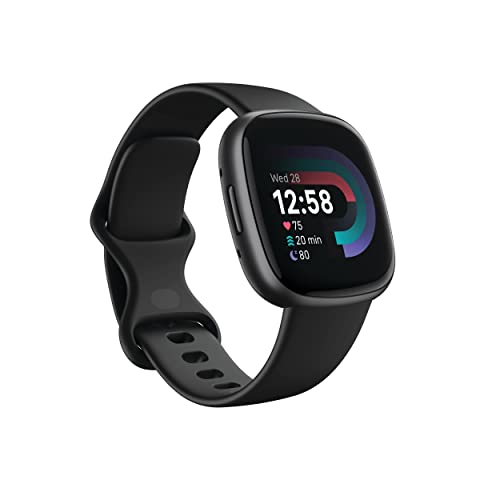
You’ll find the Fitbit Versa 4 Smartwatch especially helpful if you want a device that combines accurate sleep tracking with broader health and fitness insights. I use its Personalized Sleep Profile and Sleep Score to understand my patterns over time, while the smart wake alarm helps me rise gently. Its 24/7 heart rate and SpO2 monitoring support deeper sleep analysis, and the six-day battery means fewer charges. With built-in GPS, Active Zone Minutes, and 40+ exercise modes, it tracks workouts smoothly. I get stress scores, guided breathing, and menstrual tracking-all in a 50-meter water-resistant design. The 6-month Premium trial adds personalized programs, and Fitbit Pay keeps my wallet light.
Best For: Fitness and health enthusiasts who want advanced sleep, activity, and stress tracking with smartwatch convenience in a long-lasting, water-resistant design.
Pros:
- Comprehensive health tracking with 24/7 heart rate, SpO2, sleep stages, stress scores, and menstrual health
- Built-in GPS, 40+ exercise modes, and Active Zone Minutes for effective workout monitoring
- 6-month Premium trial, 6+ day battery life, and smart features like Fitbit Pay and Bluetooth calls
Cons:
- Google Maps only available on Android (iOS delayed to Spring 2023)
- Premium membership trial limited to new and returning users within 60 days of setup
- Some advanced features may have a learning curve for less tech-savvy users
Fitbit Inspire 3 Fitness Tracker with Bands

A solid pick for those tracking sleep stages and daily activity without overspending, the Fitbit Inspire 3 delivers reliable insights with light, deep, and REM sleep tracking, plus a sleep score that helps me assess rest quality over time. I appreciate its 24/7 heart rate monitoring and stress tools, which support overall health. Active Zone Minutes guide my workouts by showing real-time effort. It’s water-resistant up to 50 meters, and the battery lasts up to 10 days. I get call, text, and app alerts, including weather, without pulling out my phone. It comes with small and large bands, so fit stays comfortable.
Best For: Budget-conscious users seeking comprehensive sleep and fitness tracking with essential smart features.
Pros:
- Delivers accurate sleep stage analysis and a personalized sleep score to improve rest quality
- Tracks heart rate 24/7 and uses Active Zone Minutes for effective workout monitoring
- Long 10-day battery life and 50-meter water resistance enhance usability and durability
Cons:
- Lacks built-in GPS, relying on smartphone connectivity for location tracking
- Display is smaller and less vibrant compared to higher-end fitness trackers
- Limited third-party app support beyond basic notifications and weather
Fitbit Charge 6 Fitness Tracker with Google

The Fitbit Charge 6 stands out for those seeking a fitness tracker that seamlessly blends sleep tracking with daily wellness insights and smart connectivity. I rely on its 24/7 heart rate monitoring and personalized nightly Sleep Score to assess rest quality and detect patterns over time. With built-in GPS and over 40 exercise modes, it tracks activity automatically, supporting recovery decisions. Google Maps, Wallet, and YouTube Music simplify on-the-go needs. The Smart Wake alarm gently rouses me during light sleep, while stress management scores guide daily adjustments. I appreciate the 6-month Fitbit Premium trial, offering deeper analysis. It fits most wrists comfortably and lasts about a week on a charge.
Best For: Fitness enthusiasts and tech-savvy individuals who want advanced health tracking with seamless Google integration and smart connectivity.
Pros:
- Comprehensive health and fitness tracking including 24/7 heart rate, sleep score, stress management, and built-in GPS
- Seamless Google app integration with Maps, Wallet, and YouTube Music for enhanced on-the-go convenience
- Includes 6-month Fitbit Premium membership for deeper insights and personalized coaching
Cons:
- Battery life lasts about a week, which is average compared to some competitors
- Requires compatible services and data connectivity for full Google app functionality
- Limited to wrist-based tracking, lacking advanced metrics like ECG or skin temperature found in higher-end models
Fitbit Inspire 3 Activity Tracker with Sleep & Heart Rate

Fitbit Inspire 3 Activity Tracker with Sleep & Heart Rate stands out for anyone seeking a balanced blend of sleep tracking and everyday health monitoring without the bulk of a smartwatch. I find it lightweight and swimproof, with a 1-inch color touchscreen that’s easy to navigate. It tracks heart rate, SpO2, skin temperature, and sleep stages-helping spot patterns linked to sleep quality. The 6-month Fitbit Premium trial gives you Sleep Profile and Stress Management Score, which I’ve used to adjust bedtime routines. With up to 10 days of battery and a one-year warranty, it’s a reliable choice for long-term health tracking.
Best For: Individuals seeking a lightweight, swimproof fitness tracker with advanced sleep and heart health monitoring without the bulk of a smartwatch.
Pros:
- Comprehensive health tracking including heart rate, SpO2, skin temperature, and detailed sleep stages
- Up to 10 days of battery life with a 6-month Fitbit Premium trial for enhanced insights like Sleep Profile and Stress Management Score
- Lightweight, stylish design with swimproof durability and automatic exercise recognition
Cons:
- No built-in GPS; relies on connected GPS via smartphone for outdoor activity tracking
- Limited to basic notifications without smartwatch features like app support or calls
- Premium features require ongoing subscription after trial period
Fitbit Sense 2 Advanced Health Smartwatch

Though it’s not the most affordable option, I’d pick the Fitbit Sense 2 if I wanted a smartwatch that combines detailed sleep tracking with broader health insights, especially when managing stress or monitoring heart patterns overnight. It uses a cEDA sensor to track stress all day and gives a daily Stress Management Score, which can help identify restlessness. The ECG app and irregular heart rhythm alerts may catch atrial fibrillation early, though they’re not for under-22s. It measures blood oxygen through the night, but that drains the battery faster. I’d need Fitbit Premium to access the full Sleep Profile and Readiness Score-tools that assess sleep quality, duration, and consistency. The watch supports 40+ exercises, has built-in GPS, and lasts over six days on a charge, though GPS use shortens that to about 12 hours. With a sleek design, touchscreen, and smart alerts, it’s practical for daily wear. Waterproof up to 50 meters, it handles swimming without issue. I’d get Alexa, Fitbit Pay, and Google Wallet for convenience, and the 6-month Premium trial helps test advanced features.
Best For: Individuals seeking a health-focused smartwatch with advanced sleep, stress, and heart monitoring features paired with robust fitness tracking and smartwatch convenience.
Pros:
- Comprehensive health monitoring with cEDA sensor for stress, ECG app, and continuous SpO2 tracking
- Detailed sleep analysis and personalized insights through Sleep Profile and Daily Readiness Score (with Premium)
- Long battery life, built-in GPS, and 50-meter water resistance ideal for active lifestyles
Cons:
- Full sleep and recovery features require a Fitbit Premium subscription
- ECG and irregular rhythm notifications not available for users under 22 or those with known arrhythmias
- Continuous blood oxygen monitoring significantly reduces battery life
Factors to Consider When Choosing the Fitbit Best Sleep Tracker
You’ll want to check how accurately a Fitbit tracks sleep stages, since reliable data helps you understand rest patterns and spot potential issues. Battery life matters too-longer spans mean fewer charges and more consistent tracking, especially if you’re monitoring sleep over several nights. Consider comfort, smart features, health metrics, and how well the device fits your routine, since these affect both daily use and long-term results.
Sleep Tracking Accuracy
A good night’s sleep starts with reliable data, and accurate sleep tracking hinges on how well your device monitors key physiological signals throughout the night. You need continuous heart rate monitoring, which detects changes tied to light, deep, and REM sleep stages. Fitbits use PPG sensors to measure blood flow, but accuracy depends on snug skin contact and proper wrist placement. For deeper insights, SpO2 monitoring tracks blood oxygen levels, helping you spot breathing disruptions. Skin temperature variation also matters-it serves as a biomarker that, when tracked consistently, sharpens sleep stage detection. Over time, advanced algorithms learn your personal patterns, refining estimates based on your long-term data. These features work together to give you actionable feedback about sleep quality and potential irregularities, supporting smarter choices about rest, sleep habits, or whether to explore further evaluation for sleep concerns.
Battery Life Span
When tracking sleep over several nights, a Fitbit with long battery life-like up to 10 days on a single charge-keeps data collection steady without daily interruptions. You’ll avoid gaps caused by forgetting to recharge, which can happen with models needing nightly charging. Longer battery life also supports continuous 24/7 monitoring, capturing full sleep cycles, stages, and patterns across weeks. Over time, battery performance will decline, but devices starting with extended life maintain reliable tracking longer before dips in power become an issue. Keep in mind that features like continuous blood oxygen monitoring can drain power faster, so you’ll need to balance advanced functions with charging frequency. Choosing a model with strong initial battery life gives you consistent data with fewer hassles, making it easier to spot sleep trends, assess rest quality, and decide if changes-or professional support-might help improve your sleep routine.
Comfort And Fit
Long battery life keeps your sleep data flowing, but even the most efficient tracker won’t help if it’s too uncomfortable to wear all night. You need a fit that stays snug without pinching, so it won’t slip or irritate your skin while you sleep. Lightweight designs with soft, flexible bands reduce friction and pressure, especially if you’re a side sleeper or sensitive to wrist contact. Look for smooth, low-profile casings that won’t dig in when you roll over. Adjustable bands let you customize the fit, keeping the sensor steady without cutting off circulation. Hypoallergenic materials and breathable textures help prevent rashes during long-term use. A well-fitting tracker stays on reliably, so your sleep stage readings stay accurate. Try it for a few nights-if it pinches or slides, adjust the band or consider a different size.
Smart Features Integration
Since your sleep quality often depends on how well your devices work together, choosing a Fitbit with strong smart features integration makes tracking and improving rest more seamless. Your sleep data syncs automatically to your smartphone, so you can review trends and patterns quickly. Notifications stay quiet during bedtime, reducing distractions. Some models wake you gently with smart alarms that vibrate when you’re in a light sleep phase, helping you feel more refreshed. You can use voice commands to start wind-down routines or set bedtime reminders through compatible assistants. Daily activity, heart rate, and GPS data link to sleep results, showing how movement impacts recovery. This connected system gives you clearer insights into your rest, helping identify adjustments that support better sleep without relying on aids or medications.
Health Metrics Range
You get more insight into your sleep when your Fitbit tracks a broad range of health metrics. You’ll want a model that monitors light, deep, and REM sleep stages so you can assess overall sleep quality. Devices with SpO2 sensors track blood oxygen levels, helping spot breathing interruptions like apnea. Continuous heart rate monitoring improves sleep stage accuracy and gives you your resting heart rate, a key sign of cardiovascular health. Skin temperature tracking reveals nightly fluctuations, which can hint at illness or inconsistent sleep patterns. You also benefit from respiratory rate and heart rate variability data-both help generate personalized sleep scores and recovery insights. Choosing a Fitbit with this full suite means you’re not just counting hours-you’re understanding sleep health. These metrics together support better decisions about sleep habits, possible disorders, and when to seek professional advice.
Premium Content Access
What if better sleep came with a deeper understanding of your nightly patterns? With your Fitbit, you get a 6-month premium trial, but you must activate it within 60 days to access advanced sleep insights. You’ll access sleep stage breakdowns, sleep scores, and trends that help you track progress over time. For ongoing use, a premium subscription keeps features like Sleep Profile, nightly readouts, and personalized recommendations active. You can explore coaching programs and guided wind-downs designed to improve rest quality. Keep in mind, some tools require continuous subscription and may vary by region or language, with English offerings most complete. While the trial gives you full functionality, long-term access depends on renewing. This trade-off means evaluating how much you rely on detailed feedback. Consider whether the insights are worth the cost as you decide which tracker fits your sleep goals best.
Frequently Asked Questions
Can Fitbit Track Sleep Stages Without GPS?
Yes, you can track sleep stages without GPS on a Fitbit. The device uses your movement and heart rate patterns to identify light, deep, and REM sleep. You don’t need GPS for this-those sensors stay off. Instead, the optical heart rate monitor and motion-detecting accelerometer work together overnight. Fitbit logs data automatically, gives you a sleep score, and shows trends over time in the app. It’s reliable for nightly use and helps you understand rest quality.
Does Fitbit Sync Sleep Data With Apple Health?
Yes, your Fitbit syncs sleep data with Apple Health automatically when you enable the connection in the Fitbit app. You’ll need to link Apple Health under app settings and grant permission for sleep data sharing. Once synced, your sleep stages, duration, and patterns appear in Apple Health. This integration helps you track trends over time and share data with health apps or providers if needed. Check sync stability weekly to guarantee consistent updates.
How Accurate Is Fitbit’s Dream Analysis Feature?
You won’t see actual dream content, since Fitbit doesn’t record dreams like a video. Instead, it estimates sleep stages-including REM, when dreams usually happen-using heart rate and movement. That data helps guess when you’re dreaming, but it’s not 100% precise. It’s useful for spotting sleep trends over time, though. For clearer insight into sleep disorders or quality, pairing it with a sleep diary or professional advice works better.
Is There a Monthly Fee for Sleep Tracking?
No, there’s no monthly fee for basic sleep tracking with Fitbit-you get automatic sleep stage detection, rest duration, and sleep quality scores right away. You’ll need a Fitbit Premium subscription to access deeper insights like Sleep Score analysis and personalized recommendations, but it’s optional. Your tracker works out of the box with full sleep monitoring. Premium costs extra, yet core features stay free, letting you decide if advanced tools are worth the upgrade.
Can Multiple Users Share One Fitbit Device?
You can’t share one Fitbit device among multiple users-each person needs their own tracker for accurate sleep and health data. Fitbit syncs your unique metrics, like heart rate and breathing patterns, to your account only. Sharing a device skews results and disrupts sleep stage analysis. For households wanting sleep insights, buying separate devices guarantees reliable tracking, proper app integration, and personalized feedback, helping you both identify sleep trends, assess rest quality, and decide if changes-or professional advice-might improve your rest.