Best Sleep Aids for Infants Parents Trust (And Doctors Recommend)
You can trust pediatrician-approved sleep aids like Dr. Talbot’s Chamomile Soothing Tablets and Zarbee’s Baby Sleep Spray-both use natural ingredients like chamomile and lavender to gently support calmness without melatonin or artificial additives. Options include dissolvable tablets, liquid drops, and non-greasy lotions, all free from common allergens. Many are third-party tested or made in FDA-regulated facilities. Choose based on your infant’s age and preferred method of use. More details on each option follow.
We are supported by our audience. When you purchase through links on our site, we may earn an affiliate commission, at no extra cost for you. Learn more. Last update on 20th July 2026 / Images from Amazon Product Advertising API.
Notable Insights
- Many trusted infant sleep aids use natural botanicals like chamomile, lavender, and lemon balm for gentle, non-sedating calming effects.
- Pediatrician-recommended brands such as Zarbee’s, Earth Mama, and Mommy’s Bliss prioritize organic, non-GMO, and allergen-free formulations.
- Products like Dr. Talbot’s and Hyland’s soothing tablets dissolve quickly and contain no artificial additives or melatonin.
- Liquid drops, pacifier gels, and bath drops offer easy, precise administration without needles, pills, or mess.
- Frida Baby bath drops and Zarbee’s sleep spray use lavender aromatherapy to support calming bedtime routines safely for babies 3+ months.
Dr. Talbot’s Chamomile Soothing Tablets (140 Count)

If your baby is around the teething stage and often fussy at night, Dr. Talbot’s Chamomile Soothing Tablets might help. I’ve used them when my little one couldn’t settle, and they dissolve quickly-no water needed, though you can mix them if you prefer. Made with chamomile and lemon balm, they’re meant to gently soothe without harsh ingredients, and I appreciate they’re belladonna-free. They’re non-addictive, which matters to me, and the 140-count bottle lasts. Manufactured in the U.S. under strict FDA standards, they feel reliable. I keep them in my travel bag, too-simple, safe, and practical for nighttime restlessness.
Best For: Babies experiencing teething-related fussiness or nighttime restlessness who need a gentle, non-addictive soothing solution.
Pros:
- Contains natural ingredients like chamomile and lemon balm known for their calming properties
- Quick-dissolve formula that’s easy to administer, with or without water
- Free from belladonna, non-addictive, and made in the USA under strict FDA standards
Cons:
- May not work for all infants, as soothing effects can vary by individual
- Some babies may not like the taste, affecting willingness to take the tablet
- Limited to oral use only, with no alternative application methods
Pink Stork Baby Sleep Drops (1 oz)

One daily milliliter of Pink Stork Baby Sleep Drops works best for infants four months and older who struggle with sleep due to mild digestive discomfort or overstimulation, especially when parents prefer a melatonin-free option. I use it because it combines Vitamin D, magnesium citrate, chamomile, lemon balm, and passion flower to gently support relaxation and digestion. The mango flavor helps, especially if your baby resists supplements. I add it to milk or food, and it’s easy to give. It’s free from dairy, gluten, and artificial additives, which gives me peace of mind. Third-party tested and made by a women-owned brand, it’s a clean, reliable choice for regular use.
Best For: Infants four months and older who experience sleep issues due to mild digestive discomfort or overstimulation and whose parents prefer a melatonin-free, natural sleep support option.
Pros:
- Combines Vitamin D, magnesium citrate, chamomile, lemon balm, and passion flower to support both sleep and digestion
- Mango flavor improves acceptance, even with picky eaters, and can be mixed with food or milk
- Free from dairy, gluten, artificial additives, and GMOs, and is third-party tested for quality and safety
Cons:
- Only suitable for babies 4 months and older, limiting use for younger infants
- Effects may be subtle and not sufficient for severe sleep disorders
- Liquid form requires precise dosing, which may be challenging for some caregivers
Mommy’s Bliss Organic Baby Bedtime Paci Gel

My baby’s calm bedtime routine starts with Mommy’s Bliss Organic Baby Bedtime Paci Gel, a melatonin-free option ideal for parents seeking a clean, USDA-certified organic sleep aid for infants 2 months and older. I apply a pea-sized amount to her pacifier, and the gentle blend of chamomile and lemon balm helps signal it’s time to wind down. It’s free of artificial flavors, alcohol, and the Top 9 allergens, so I feel confident using it nightly. Developed by a pediatric nurse and mom, this formula avoids unnecessary additives while focusing on safe, effective ingredients. It’s mess-free, easy to use, and fits seamlessly into our routine-ideal for families wanting a natural approach to infant sleep support.
Best For: Parents seeking a natural, melatonin-free sleep aid for infants 2 months and older that’s USDA-certified organic and formulated with calming herbs.
Pros:
- Made with USDA-certified organic chamomile and lemon balm to gently support restful sleep
- Free of artificial flavors, alcohol, parabens, and Top 9 allergens for a clean, safe formula
- Mess-free application on a pacifier or inner cheek, developed by a pediatric nurse and mom
Cons:
- Limited to use with pacifier users or infants who accept fingertip application
- Calming effects may vary based on infant sensitivity to herbal ingredients
- Only suitable for babies 2 months and older, not for newborns
Mommy’s Bliss Night Time Gripe Water

Mommy’s Bliss Night Time Gripe Water is a trusted choice for parents whose babies struggle with occasional gas, colic, or nighttime fussiness. I’ve found it helpful when my baby seems uncomfortable after feeding or has trouble settling. Made with natural ingredients and free from alcohol and parabens, it’s designed to ease digestive discomfort safely. It comes in a 4-ounce bottle, easy to use with a syringe or mixed into a bottle. Pediatricians recommend it, and many parents, including me, notice improvement in fussiness and sleep. It’s not a sedative, but by calming tummy troubles, it may help babies relax and sleep more soundly.
Best For: Parents seeking a natural, pediatrician-recommended remedy to help ease their infant’s occasional gas, colic, and nighttime fussiness.
Pros:
- Made with natural ingredients and free from alcohol, parabens, and artificial additives
- Pediatrician recommended and trusted by many parents for supporting infant digestive comfort
- Can be easily administered via syringe or mixed into a bottle, with potential improvement in sleep and comfort
Cons:
- Results may vary, as not all babies respond to gripe water in the same way
- Contains chamomile, which may not be suitable for infants with herb allergies
- Some pediatricians remain cautious about gripe water use due to limited scientific evidence
Zarbee’s Baby Sleep Spray 2oz

When establishing a gentle bedtime routine for infants, I find Zarbee’s Baby Sleep Spray 2oz works well for parents seeking a natural, pediatrician-approved option to help signal to their baby that it’s time to wind down. I use it as a room spray before naps or bedtime, misting the air lightly with its calming blend of lavender and chamomile. It’s free from artificial fragrances, parabens, and petroleum, which gives me peace of mind. Created by a pediatrician, it’s part of a trusted brand recommended by doctors. While it won’t treat sleep disorders, it supports a soothing environment, helping babies relax naturally.
Best For: Parents seeking a natural, pediatrician-approved bedtime spray to help establish a calming sleep routine for their infants.
Pros:
- Contains natural lavender and chamomile essential oils known for their soothing properties
- Free from artificial fragrances, parabens, and petroleum, making it safe for infant environments
- Developed by a pediatrician and part of the #1 pediatrician-recommended sleep support brand for kids
Cons:
- Not a treatment for sleep disorders or a guarantee for improved sleep
- Aromatherapy effects may vary between infants with no standardized results
- Small 2oz bottle may require frequent repurchasing with regular use
Zarbee’s Baby Massage Oil 4oz

Zarbee’s Baby Massage Oil 4oz works best for parents seeking a gentle, pediatrician-approved option to support their infant’s sleep routine, especially those with sensitive skin or concerns about artificial additives. I find it soothing to use a few drops warmed in my hands and gently massage into my baby’s arms and legs before bed. The non-greasy blend of chamomile and lavender calms her, easing the shift into sleep. It’s free of dyes, parabens, and synthetic fragrances, which gives me peace of mind. Developed by a pediatrician, this oil is safe for newborns and part of a trusted line designed with real parental needs in mind.
Best For: Parents looking for a gentle, pediatrician-approved massage oil to support their infant’s sleep routine, especially those with sensitive skin or concerns about artificial additives.
Pros:
- Formulated with calming chamomile and lavender to help relax babies and support sleep
- Free of artificial fragrances, dyes, and parabens, making it safe for newborns and sensitive skin
- Non-greasy, easy-to-apply formula developed by a pediatrician and part of a trusted baby wellness line
Cons:
- May not provide long-lasting scent due to absence of synthetic fragrances
- Slightly higher price point compared to some generic baby oils
- Limited moisturizing depth for very dry skin conditions
Frida Baby Lavender Sleep Bath Drops

If you’re looking for a gentle, natural way to ease your baby into bedtime, the Frida Baby Lavender Sleep Bath Drops offer a simple step in a calming routine. I add a few drops to warm bathwater, and the soothing lavender scent helps signal it’s time to wind down. Made with organic lavender essential oil, they’re free from sulfates, parabens, phthalates, and dyes, so I feel safe using them nightly. They also work in the Frida humidifier for up to 90 sessions, stretching use. For babies 3 months and up, they provide mild aromatherapy support-calming, not sedating-helping create a consistent, relaxed sleep environment without overstimulation.
Best For: Parents seeking a natural, calming bedtime routine for babies 3 months and up using gentle aromatherapy.
Pros:
- Made with organic lavender essential oil and free from sulfates, parabens, phthalates, and artificial dyes for safe nightly use
- Doubles as bath drops or humidifier additive, offering up to 10 baths or 90+ humidifier sessions
- Provides a soothing, consistent wind-down signal without sedation, supporting healthy sleep habits
Cons:
- Limited to babies 3 months and older, not suitable for newborns
- Scent may be subtle for some users, offering mild aromatherapy effects
- Requires use with compatible humidifier (e.g., Frida Baby 3-in-1) for full multi-use functionality
Baby Vibrating Sleep Soother with Adjustable Modes

I rely on the Baby Vibrating Sleep Soother with Adjustable Modes when my newborn struggles to settle, especially during nap changes or overnight stretches, because it delivers gentle, customizable vibration that mimics comforting motion without overwhelming delicate senses. I appreciate the three intensity levels-I can adjust from a soft hum to a stronger pulse based on my baby’s mood. The 90-minute timer gradually fades, helping prevent sudden stops that might wake her. It’s lightweight, fits in cribs or strollers, and travels easily. Made for durability, it works safely across sleep setups. I also like knowing customer support responds within 24 hours if needed.
Best For: New parents seeking a gentle, adjustable, and portable sleep solution to help calm fussy newborns and support consistent nap and bedtime routines at home or while traveling.
Pros:
- Offers three customizable vibration modes to suit baby’s comfort level, from a soft hum to a stronger pulse
- Features a 90-minute gradual timer that slowly reduces intensity to prevent sudden stops and support uninterrupted sleep
- Lightweight and versatile design fits cribs, strollers, bassinets, and travel cots, making it ideal for daily use and trips
Cons:
- Vibration intensity may be too subtle for some babies who require stronger motion to settle
- Requires batteries or consistent power source, which is not explicitly mentioned in product details
- Limited effectiveness on very active or overtired infants who need additional soothing methods
Hyland’s Baby Nighttime Soothing Tablets (125 Count)
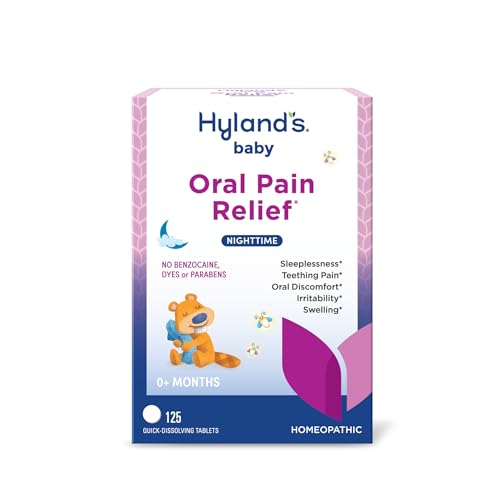
When your baby’s sleep gets thrown off by teething discomfort or restlessness, a gentle, non-drowsy solution like Hyland’s Baby Nighttime Soothing Tablets (125 Count) can make a noticeable difference. I’ve found these quick-dissolving tablets easy to give, melting instantly in my baby’s mouth without water or fuss. They’re made with natural ingredients, no artificial flavors, sugars, dyes, or parabens, which gives me peace of mind. Hyland’s has over 100 years of experience, and their FDA-regulated U.S. facility follows strict quality standards. Each pack offers up to 62 doses and is widely available at major retailers.
Best For: Babies experiencing nighttime oral discomfort, irritability, or occasional sleeplessness due to teething.
Pros:
- Quick-dissolving tablets are easy to administer without water or mixing
- Made with natural ingredients and free from artificial flavors, sugars, dyes, and parabens
- Trusted brand with over 100 years of experience and FDA-regulated, cGMP-compliant manufacturing
Cons:
- Some parents may prefer a liquid formulation for easier dosing in very young infants
- Homeopathic ingredients may not provide measurable relief for all babies
- Limited dose count per pack for frequent nighttime use
Ddrops Baby Bedtime Drops (60 Count)

Ddrops Baby Bedtime Drops (60 Count) work best for parents seeking a clean, plant-based sleep aid for infants 4 months and older, especially those prioritizing allergen-free and additive-free formulations. I like that these drops contain a Natural Bedtime Blend of organic chamomile and fennel, traditionally used to support relaxation and digestive comfort. They’re free from melatonin, sugar, alcohol, glycerin, syrups, and the top nine allergens-making them a safe choice for sensitive babies. Each bottle has 60 drops; I just place one drop on a clean finger or pacifier, no syringe needed. They’re non-GMO, gluten-free, dairy-free, soy-free, nut-free, and vegan, made in a GMP-certified facility. While the FDA hasn’t evaluated these claims, I appreciate the transparency and ease of daily use.
Best For: Parents seeking a clean, plant-based, allergen-free sleep aid for infants 4 months and older to support relaxation and bedtime routines.
Pros:
- Organic liquid drops with a Natural Bedtime Blend of chamomile and fennel for calming and digestive comfort
- Free from melatonin, sugar, alcohol, glycerin, syrups, and the top nine allergens; suitable for sensitive babies
- Easy to administer-just one drop on a finger or pacifier-with no syringes or measuring required
Cons:
- Contains only 60 doses, which may run out quickly with daily use
- Effects may be mild or vary by infant due to absence of melatonin or stronger active ingredients
- Limited age range, not suitable for infants under 4 months
Factors to Consider When Choosing a Sleep Aid for Infants
You’ll want to check that any sleep aid matches your baby’s age and has clear safety testing. Look for products with transparent ingredient lists, natural components when possible, and approval from pediatricians. It’s also helpful if the aid is easy to give, works consistently, and comes with a trial or straightforward usage instructions.
Age Appropriateness And Safety
A sleep aid’s label is your first line of defense in protecting your infant’s health, so it’s essential to check the minimum age recommendation before making any choice. Most products are designed for babies 4 months and older, reflecting key developmental changes. You should avoid anything containing melatonin, alcohol, parabens, artificial dyes, or flavors, since young infants can’t process these safely. Steer clear of risky ingredients like belladonna or common allergens such as dairy, soy, and gluten. Instead, pick formulas with naturally derived, non-addictive ingredients proven safe for your baby’s age group. Always confirm the product is third-party tested and made in an FDA-regulated or GMP-certified facility to guarantee consistent quality. These steps help you balance effectiveness with safety, giving your infant reliable support without unnecessary risks.
Ingredient Transparency And Purity
When choosing a sleep aid for your infant, knowing exactly what’s inside is just as important as understanding how it works. Look for products that list every ingredient clearly, including the specific form, like chamomile extract or magnesium citrate, so you know exactly what your baby is getting. Avoid those with artificial dyes, parabens, phthalates, or synthetic fragrances-these can trigger sensitivities. Pick formulas free from common allergens such as dairy, soy, gluten, and nuts to lower the chance of reactions. If possible, go for options made with certified organic ingredients, which are produced without harsh pesticides or synthetic additives. Check whether the product is third-party tested or made in a GMP-certified facility-this helps guarantee purity, accuracy in labeling, and overall quality you can trust.
Ease Of Administration
Knowing what’s in a sleep aid matters, but so does how easily you can give it to your baby. Liquid drops are simple-you only need 1 mL per dose, and you can place them on the inner cheek or mix them with milk for precise delivery. Quick-dissolve tablets melt instantly in the mouth, so there’s no need to worry about swallowing or spitting. Gel formulas let you apply a pea-sized amount directly to the cheek or pacifier, limiting how much your baby takes in. If you’d rather avoid ingestion altogether, aromatherapy sprays or bath drops release calming scents like lavender into the air or water. You might also try a portable vibrating pad, which offers gentle, adjustable pulses to soothe without touching your baby’s skin. Each method has trade-offs in convenience and cooperation, so consider your baby’s habits when choosing.
Natural Versus Synthetic Components
If you’re weighing natural against synthetic ingredients, start by checking the label for plant-based extracts like chamomile or passionflower, which offer gentle calming effects without artificial additives. You’ll often find lemon balm in natural formulas too, known for mild sedative properties. These botanicals support relaxation through familiar, time-tested use. Synthetic versions, on the other hand, may include artificial flavors, colors, or preservatives like parabens-commonly avoided in infant products. Natural options are typically labeled organic or non-GMO and less likely to contain allergens or irritants. Many use essential oils instead of synthetic fragrances, reducing the risk of sensitivities. You might also prefer formulas without melatonin, relying solely on plant-based support. While both types can be effective, natural ingredients often align better with cautious, minimal-exposure approaches. Read labels closely to see what you’re giving your infant-each component matters when safety and sensitivity are top priorities.
Pediatrician Approval And Testing
Though not all infant sleep aids carry official endorsements, choosing one with pediatrician approval gives you stronger assurance the product meets safety standards for young children. When doctors review and back a sleep aid, it means experts have evaluated its safety and suitability for infants. Products tested under pediatrician supervision often go through clinical evaluations, ensuring they’re safe for delicate systems. You’ll also want to look for third-party testing, which verifies ingredient purity and confirms the brand’s claims. Independent lab analysis and adherence to Good Manufacturing Practices (GMP) add trust, showing each batch is consistent and clean. Sleep aids made with pediatrician input are less likely to include risky ingredients like melatonin, artificial dyes, or common allergens. Choosing a tested, doctor-reviewed option doesn’t guarantee results, but it lowers risks and supports smarter, safer choices for your baby’s sleep routine.
Product Form And Convenience
Choosing the right infant sleep aid involves more than just safety and testing-you also need a format that fits your nightly routine. Liquid drops offer precise dosing and last up to 60 uses, but require careful measuring. Dissolvable tablets melt quickly in your baby’s mouth-no water or swallowing needed-ideal for infants resistant to bottles or spoons. Gel formulas let you apply small amounts directly to a pacifier or clean fingertip, reducing intake while targeting delivery. Sprays disperse calming botanicals into the air with just a few pumps, helping build a consistent bedtime environment without anything entering the body. If you prefer non-ingestible options, vibrating pads provide gentle physical soothing through adjustable settings and automatic shut-offs, integrating easily into crib setups. Each form has trade-offs in prep time, accuracy, and ease-try a few to see what aligns with your habits and your baby’s response.
Allergen And Additive Free
Since even mild sensitivities can affect your baby’s sleep and comfort, prioritizing allergen- and additive-free sleep aids makes a meaningful difference in safety and tolerance. You’ll want to choose products free from the Top 9 allergens-like milk, eggs, wheat, soy, and nuts-to reduce the risk of reactions. Look for options that are also gluten-free, dairy-free, soy-free, and nut-free, which helps align with common infant dietary needs. Skip anything with artificial dyes, flavors, or preservatives such as parabens, since these can irritate a developing system. Avoid alcohol entirely, as it may disrupt sleep or cause neurological issues. You’re better off with non-GMO, chemical-free formulas that support gentle, clean ingredient profiles. These choices minimize side effects and boost overall safety. Checking labels carefully helps you balance effectiveness with your baby’s unique sensitivities.
Frequently Asked Questions
Can These Sleep Aids Be Used Together Safely?
Yes, you can use these sleep aids together safely, but you should introduce one at a time to monitor your baby’s response. Combining white noise machines, swaddles, and pacifiers is common, but check each product’s guidelines to avoid overheating or overstimulation. Always follow safety standards-keep loose items out of the crib and guarantee proper airflow. Consult your pediatrician before layering solutions, especially if your infant has health concerns. Trial periods and warranties let you test combinations with less risk.
Are Natural Ingredients Always Safe for Infants?
No, natural ingredients aren’t always safe for infants. Just because something’s labeled “natural” doesn’t mean it’s risk-free. Some herbs or plant extracts can cause allergic reactions or interact with medications. Babies have sensitive systems, so even mild ingredients might upset digestion or sleep patterns. Always check with your pediatrician before trying any new product. When in doubt, opt for sleep aids with clinically tested, pediatric-approved components and clear labeling you can trust.
How Soon Can I Expect Results After Use?
You’ll usually see results within 3 to 7 nights, though every infant responds differently. Some parents notice better sleep in just a couple of days, while others need a full week to see changes. Give the product consistent use at the same time each night. Check if it includes a trial period-many trusted brands do. Watch your baby’s reaction closely and consult your doctor if you’re unsure.
Do Pediatricians Recommend Long-Term Use of Sleep Aids?
No, pediatricians don’t recommend long-term use of sleep aids for infants. You’re better off building consistent bedtime routines and safe sleep environments first. Most experts suggest using aids only temporarily to support changes. If you do use them, monitor your baby’s response and consult your doctor regularly. Long-term reliance might interfere with developing natural sleep patterns, so always weigh benefits against risks and adjust as your child grows.
Can Sleep Aids Affect My Baby’s Development?
Yes, sleep aids can affect your baby’s development if used improperly or long-term. You should monitor how your baby responds, as some products may interfere with natural sleep patterns or motor skill progress. Always check with your pediatrician before starting any aid. Look for doctor-approved options with safety certifications. Choose products allowing easy adjustment or discontinuation. Most come with trial periods, so you can assess effectiveness without long-term commitment.