Best Nasal Moisturizers for CPAP Users Who Hate Dryness
You need a nasal moisturizer that fights dryness without harming your CPAP gear or irritating sensitive tissue. Try water-based, petroleum-free gels like Ayr Saline Nasal Gel with Soothing Aloe or resplabs CPAP Moisture Therapy Cream-they hydrate for hours, won’t clog equipment, and spread smoothly. Look for time-released formulas with natural soothers like aloe or vitamin E. Some come in tubes for clean application, while jar forms may pose hygiene risks. Your best pick balances safety, longevity, and ease of use-especially if you use it nightly. Options with trial periods let you test comfort and effectiveness before committing.
We are supported by our audience. When you purchase through links on our site, we may earn an affiliate commission, at no extra cost for you. Learn more. Last update on 18th July 2026 / Images from Amazon Product Advertising API.
Notable Insights
- Choose petroleum-free nasal moisturizers to protect CPAP mask seals and prevent equipment damage.
- Opt for time-released, water-based gels that provide up to 12 hours of continuous moisture.
- Select non-saline, non-medicated formulas with soothing ingredients like aloe vera and allantoin.
- Use products with precision applicators to ensure clean, targeted application inside nostrils.
- Prioritize CPAP-compatible gels containing natural oils like eucalyptus for added airway support.
Ayr Saline Nasal Gel, With Soothing Aloe, 0.5 Ounce Tube (Pack of 1)
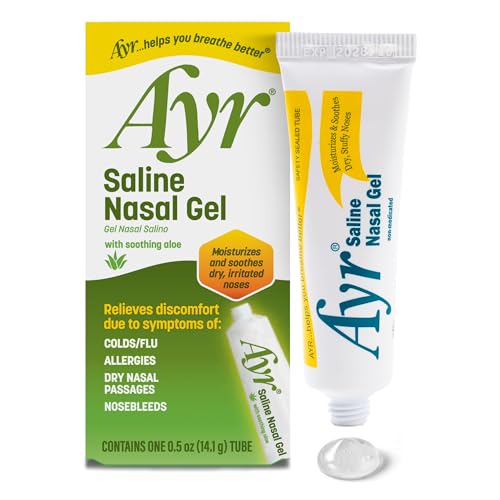
If you’re a CPAP user dealing with dry, irritated nasal passages, Ayr Saline Nasal Gel with Soothing Aloe could be your go-to solution for lasting comfort. I use it daily, and it keeps my nasal membranes moist without stinging or burning. The gel’s gentle formula works well for me, even when I apply it multiple times a day. With soothing aloe and a non-irritating design, it’s safe for long-term use, day or night. It’s small-just 0.5 ounce-but lasts weeks with regular use. I appreciate that it’s safe for sensitive tissue, even for babies. No prescription’s needed, and it offers steady relief without messy sprays or strong fragrances.
Best For: CPAP users and individuals with dry, irritated nasal passages seeking gentle, long-lasting moisture relief.
Pros:
- Effectively soothes and moisturizes dry nasal membranes without stinging or burning
- Gentle, fragrance-free formula safe for sensitive tissue and suitable for babies
- Long-lasting hydration in a compact 0.5-ounce tube ideal for daily, day-and-night use
Cons:
- Small tube size may appear to offer limited quantity at first glance
- Gel application may feel unusual compared to spray alternatives
- Requires direct finger application, which may be less hygienic for some users
Nasal Moisturizer Gel for Dry Nose Relief

For CPAP users battling persistent dry nose, nasal moisturizer gel stands out as a go-to solution, especially when nighttime airflow leaves nasal passages cracked, irritated, or prone to bleeding. I’ve found this water-based gel-half water by weight-delivers 12-hour relief thanks to micro-encapsulated layers that release moisture slowly at body temperature. Unlike saline sprays that can dry tissues further, it actively hydrates and forms a protective barrier over sensitive areas, helping stop and prevent nosebleeds. It’s odorless, steroid-free, and safe for daily use with no flammability risk. I use it nightly without worrying about device damage-it’s built for CPAP, BiPAP, and oxygen therapy. One 0.5oz jar lasts about six weeks with regular use.
Best For: CPAP, BiPAP, and oxygen therapy users seeking long-lasting, non-medicated relief from dry nasal passages, cracking, and nosebleeds.
Pros:
- Provides 12-hour moisture release through time-activated, micro-encapsulated formula
- Safe for daily use-odorless, steroid-free, non-addictive, and non-flammable
- Compatible with respiratory devices, maintaining moisture without damaging tubing
Cons:
- May feel thick or require adjustment to application technique for first-time users
- Limited duration per jar (approximately 30–45 days with daily use)
- Water-based hydration may not suffice for severe chronic dryness without additional treatments
resplabs CPAP Moisture Therapy Cream 1.40 Fl Oz

I rely on the resplabs CPAP Moisture Therapy Cream, a petroleum-free nasal moisturizer, when dryness and irritation from nightly CPAP use become hard to ignore. It soothes sensitive skin, prevents chafing, and works with any mask type. The 1.40 fl oz size is travel-friendly, and I appreciate that it’s non-greasy and absorbs quickly. Every purchase includes *The 6 Ways to Upgrade Your CPAP Therapy* ebook, which offers practical tips I’ve actually used. Since it’s petroleum-free, I know it’s safe for long-term use and won’t damage my mask cushion. I’ve tried other creams, but this one balances effectiveness and compatibility-making it a reliable part of my routine.
Best For: CPAP users seeking a petroleum-free nasal moisturizer to relieve dryness, prevent chafing, and soothe skin irritated by prolonged mask use.
Pros:
- Petroleum-free formula is safe for long-term use and won’t degrade CPAP mask cushions
- Compatible with all CPAP mask types and absorbs quickly without greasiness
- Includes a helpful ebook with practical tips to improve CPAP therapy experience
Cons:
- Limited 1.40 fl oz size may require frequent repurchasing for nightly users
- May not provide sufficient moisture relief for extremely dry nasal passages in arid climates
- Some users may prefer a scented moisturizer for a more pleasant application experience
Nasal Moisturizer with Lavender for Dryness

A nasal moisturizer with lavender stands out as a top choice for CPAP users who struggle with dryness, especially those sensitive to saline-based products that can pull moisture from delicate tissues. I’ve found it delivers steady hydration for up to 12 hours thanks to a time-released base that dissolves with body heat, steadily releasing water and soothing lavender oil. It’s non-medicated, steroid-free, and safe for daily use at any age. Unlike saline gels, it adds moisture instead of drawing it out, which helps prevent cracking and nosebleeds. The calming scent supports natural sleep onset, and a single 0.5 oz jar lasts 30–45 days. It won’t damage CPAP or oxygen equipment, making it a reliable, low-risk option worth trying.
Best For: CPAP, BiPAP, or oxygen therapy users seeking long-lasting, non-irritating nasal hydration with natural sleep support.
Pros:
- Delivers up to 12 hours of continuous moisture with a time-released formula activated by body heat
- Adds hydration instead of drawing moisture like saline-based products, reducing risk of cracking and nosebleeds
- Contains calming lavender oil to promote faster sleep onset and is safe for all ages with no restrictions
Cons:
- Contains lavender essential oil, which may cause sensitivity in individuals with scent allergies
- Requires fingertip application, which may be less convenient than spray formats
- Limited to a 0.5 oz jar size, which may require frequent reordering for nightly users
Ayr Saline Nasal Gel with Aloe Vera

Though it’s not marketed specifically for CPAP users, I find Ayr Saline Nasal Gel with Aloe Vera works well for anyone needing consistent nighttime moisture without irritation. The no-drip spray delivers a fine, metered mist that penetrates deep into my sinuses, soothing dry passages caused by low humidity or air pressure changes. Formulated with aloe vera and no dyes, it’s gentle, non-addictive, and won’t cause rebound congestion. I appreciate the reliable bottle design, which guarantees each dose is consistent. It’s physician-recommended and helps maintain natural moisture, supporting easier nasal breathing throughout the night.
Best For: Individuals seeking gentle, long-lasting nasal moisture at night, especially those using CPAP machines or exposed to dry air and environmental irritants.
Pros:
- No-drip, metered spray ensures consistent dosing and deep sinus penetration
- Formulated with soothing aloe vera and free of dyes, additives, and narcotics
- Physician-recommended, non-addictive, and safe for daily use without rebound congestion
Cons:
- Small bottle size (0.75 fl oz) may require frequent replacement with regular use
- May not provide immediate relief for severe nasal congestion
- Not specifically designed for CPAP users, so compatibility varies by individual
Nasal Moisturizer + Zinc Gel (12-Hour Relief)

One standout choice among nasal moisturizers is the Nasal Moisturizer + Zinc Gel (12-Hour Relief), especially if you use a CPAP, BiPAP, or oxygen therapy system and need long-lasting comfort without interfering with your equipment. It’s water-based, non-flammable, and won’t damage tubing. With 50% water and zinc gluconate in a time-released base, it delivers moisture and zinc gradually for 12 hours. Body heat dissolves one layer at a time, so one daily application is enough. It’s odorless, steroid-free, and salt-free, making it safe for everyone. Zinc may help shorten cold symptoms. A 0.5oz jar lasts about a month.
Best For: Individuals using CPAP, BiPAP, or oxygen therapy who need long-lasting, non-irritating nasal moisturizing without damaging medical equipment.
Pros:
- Provides 12-hour relief with one application using a time-released formula activated by body heat
- Safe for all ages, odorless, steroid-free, and salt-free, with no risk to medical tubing or devices
- Contains zinc gluconate, which may help reduce the severity and duration of cold symptoms
Cons:
- Limited duration per jar (30–45 days), which may require frequent repurchasing
- Contains zinc, which in rare cases may cause nasal irritation in sensitive individuals
- Water-based formula may feel less immediate in relief compared to spray alternatives
Nasal Moisturizer + Eucalyptus 12-Hour Relief

You’ll find the Nasal Moisturizer + Eucalyptus 12-Hour Relief works best if you use CPAP or BiPAP and struggle with dryness, irritation, or cracking in your nasal passages overnight. I rely on its water-based formula, which delivers 50% water by volume directly to dry tissues. The time-released base melts with body heat, steadily releasing moisture and eucalyptus for up to 12 hours. One jar lasts 30–45 days with nightly use. It’s safe with oxygen, CPAP, and BiPAP-non-flammable and gentle for all ages. Eucalyptus adds a mild, soothing scent that helps keep airways open and supports easier breathing.
Best For: Individuals using CPAP, BiPAP, or oxygen therapy who experience dryness, irritation, or cracking in the nasal passages.
Pros:
- Provides up to 12 hours of continuous moisture with a time-released, water-based formula containing 50% water by volume
- Safe and non-flammable, designed for use with medical devices like CPAP, BiPAP, and oxygen therapy
- Contains eucalyptus essential oil to promote open airways, support sinus drainage, and deliver a soothing scent
Cons:
- Requires topical application with fingers, which may be less convenient than sprays
- May not be suitable for those sensitive to essential oils due to eucalyptus content
- Jar packaging may raise hygiene concerns if not handled cleanly during use
Mars Wellness CPAP Gel Skin Protectant (1oz)

If dry skin from nightly CPAP use leaves you searching for reliable relief, the Mars Wellness CPAP Gel Skin Protectant fits the role of a quiet ally-small in size but effective where it counts. I apply it where my mask seals, and it soothes chapped, cracked skin fast. Made in the USA, its 1oz tube is travel-friendly and packed with allantoin, which boosts moisture without harsh additives. The gel won’t harm my mask or break the seal. I use it before bed or after removal for comfort, and sometimes inside my nostrils when congestion flares. It’s calm, consistent care that fits cleanly into my routine.
Best For: CPAP users seeking a gentle, effective skin protectant to prevent and soothe mask-related irritation and dryness.
Pros:
- Soothes chapped, cracked skin with allantoin and provides long-lasting moisture
- Safe for use with CPAP equipment without compromising mask seal
- Compact 1oz travel-friendly tube ideal for daily and on-the-go use
Cons:
- Only 1oz size may require frequent reordering for nightly users
- Gel application inside nostrils may feel unusual for some
- Limited availability outside niche CPAP wellness markets
Nasal Moisturizers

While CPAP therapy keeps airways open during sleep, it often causes dryness and irritation in the nasal passages-especially where the mask or tubing makes contact. That’s where Cann-Ease Nasal Moisturizing Gel helps. I use it nightly, and its clear, greaseless formula soothes without clogging. Aloe vera calms irritation, while allantoin and d-pantothenol boost moisture retention and support skin healing. It’s non-irritating, so it works well for sensitive tissue. I apply it directly to dry spots before bed and reapply if needed. Regular use keeps my skin protected and reduces friction damage over time.
Best For: Individuals using CPAP, BIPAP, or oxygen therapy who experience dryness, irritation, or friction in the nasal passages.
Pros:
- Soothes and moisturizes dry, irritated nasal tissue with a clear, greaseless gel
- Contains skin-repairing ingredients like aloe vera, allantoin, and d-pantothenol
- Non-irritating formula safe for sensitive nasal areas and ideal for nightly use
Cons:
- May require frequent reapplication for sustained moisture throughout the night
- Tube size (1 oz) may run out quickly with regular use
- Limited to topical relief and does not address underlying CPAP-related humidity issues
CPAP Moisture Therapy – Petroleum Free 1oz

Since it’s made without petroleum, CPAP Moisture Therapy in the 1oz size works best for those who want a natural, non-occlusive formula that won’t clog pores or degrade silicone mask seals. I use it nightly on areas where my mask touches my skin, and it keeps dryness and chafing in check. With Aloe Vera, Emu Oil, Vitamin A, and Vitamin E, it hydrates deeply and supports skin health. It’s gentle, absorbs quickly, and doesn’t leave a greasy feel. Over time, I’ve noticed less irritation and stronger skin integrity. It’s small enough to travel with, and a little goes a long way.
Best For: CPAP users seeking a natural, non-greasy moisturizer to prevent skin dryness, chafing, and irritation caused by mask contact.
Pros:
- Formulated without petroleum to avoid clogging pores and damaging silicone mask seals
- Contains skin-nourishing ingredients like Aloe Vera, Emu Oil, Vitamin A, and Vitamin E for deep hydration
- Lightweight, fast-absorbing, and travel-friendly with a little lasting a long time
Cons:
- Small 1oz size may require frequent repurchasing for nightly use
- Natural formulation may have a shorter shelf life compared to synthetic alternatives
- May not provide sufficient moisture for individuals with severely dry or sensitive skin
Factors to Consider When Choosing a Nasal Moisturizer for CPAP Users
You’ll want to check that your nasal moisturizer works well with your CPAP system, since some formulas can degrade tubing or masks over time. Look for a non-medicated, petroleum-free formula that offers long-lasting moisture release and stays gentle on sensitive nasal tissue. Products made for daily use with safe, simple ingredients give you reliable comfort night after night, and many come with trial periods so you can test them risk-free.
Compatibility With Cpap Systems
When choosing a nasal moisturizer that works safely with your CPAP system, look closely at the product’s composition and how it interacts with your equipment. You’ll want a formula that won’t break down rubber, silicone, or plastic tubing, even with daily use. Skip petroleum-based products-they can weaken mask seals and damage parts over time. Instead, pick non-petroleum, water-based gels designed specifically for CPAP use. These stay stable under constant airflow and won’t dry out in high-humidity environments. The best options are non-flammable and safe if you’re using oxygen. Time-released formulas give you up to 12 hours of steady moisture, so you stay comfortable all night. Choosing a CPAP-compatible moisturizer protects your machine and keeps your therapy running smoothly. Always check the label to confirm safety with medical devices.
Non-Medicated Formula Benefits
A non-medicated nasal moisturizer keeps your therapy simple by skipping pharmaceuticals like steroids or decongestants, which means less chance of side effects from long-term use. You avoid systemic absorption risks, making these options safer for daily, around-the-clock use. Unlike saline-based products, non-medicated formulas won’t pull moisture from your nasal tissues, preventing worsened dryness over time. They’re built to be non-addictive, with no rebound effects, so you won’t develop dependency. Most use natural ingredients like aloe vera or allantoin to gently soothe irritated tissue without stinging or burning. These gels are also designed to stay compatible with sensitive nasal passages, minimizing irritation. By choosing a non-medicated solution, you get reliable comfort without pharmaceuticals, supporting consistent CPAP therapy. It’s a low-risk, practical choice if you prioritize long-term safety and straightforward care tailored to nightly use.
Long Lasting Moisture Release
Because extended hydration plays a key role in nasal comfort during CPAP therapy, choosing a moisturizer with long-lasting moisture release can make a meaningful difference in your nightly routine. A water-based formula with 50% water by weight delivers up to 12 hours of hydration, releasing moisture gradually when warmed by your body. Micro-encapsulated, time-released bases dissolve layer by layer, maintaining steady moisture through the night. Unlike saline gels that may pull water from nasal tissues, non-saline options actively release hydration, protecting delicate surfaces. One 0.5 oz container typically lasts 30–45 days with daily use, reducing the need for frequent application. Extended release helps prevent dryness, cracking, and nosebleeds, supporting consistent comfort. When comparing products, check for sustained delivery design and duration of action to match your therapy schedule. These features let you stay hydrated longer and wake with less irritation.
Ingredients For Sensitive Tissue
Delicate nasal tissue demands careful attention, especially when exposed to constant airflow from CPAP therapy. You need ingredients that soothe without irritating. Look for a water-based formula with 50% water by weight-it hydrates steadily and won’t dry out your passages. Non-medicated, steroid-free, and saline-free options are gentler and less likely to disrupt your nose’s natural balance. Skip strong scents and flammable bases; odorless, non-flammable formulas are safer and more comfortable for nightly use. Ingredients like aloe vera, allantoin, and vitamin E help repair tissue, lock in moisture, and reduce friction from airflow. These components work together to protect and condition without causing dependence. Micro-encapsulated bases activate at body heat, releasing moisture slowly over up to 12 hours. Choose products focused on sensitivity, repair, and compatibility with long-term device use.
Safe For Daily Use
Often, you’ll want a nasal moisturizer that’s safe for everyday use-especially when managing CPAP therapy over months or years. Choose a product that’s non-addictive, steroid-free, and avoids drying agents like heavy saline, which can worsen dryness over time. Look for water-based formulas with up to 50% water by weight-they hydrate consistently without irritating sensitive tissue. A non-flammable, odorless design matters too, especially if you use oxygen therapy or respiratory equipment daily. Make sure the moisturizer won’t degrade CPAP tubing or interfere with your device’s function. Micro-encapsulated technology helps release moisture steadily, so you don’t need to reapply often, supporting safer long-term use. These features together mean you can use the product nightly without worry. When in doubt, test it gradually and check with your doctor to confirm it fits your routine.
Time Release Technology Advantage
You’ve already considered daily safety when choosing a nasal moisturizer, but how long it keeps working matters just as much-especially through a full night of CPAP use. Time release technology uses micro-encapsulated beads that dissolve slowly with body heat, delivering moisture layer by layer. This means up to 12 hours of steady hydration from one application-no middle-of-the-night reapplying. The gel maintains consistent moisture levels, which helps reduce dryness flare-ups and supports healthier nasal tissue over time. Unlike regular gels that flood then fade, time-released versions match your body’s needs, releasing water gradually. With 50% water content locked inside the capsules, less evaporates too fast. You get sustained performance, not just a quick fix. If you’re tired of waking up dry, this tech offers a practical upgrade worth trying. Many brands even offer trial periods, so test one risk-free.
Protection Against Nosebleeds
While your CPAP keeps air moving through your nasal passages, dryness can still lead to cracked membranes and nosebleeds-especially if your moisturizer doesn’t offer lasting protection. Choose a product that forms a protective barrier over delicate nasal blood vessels, helping prevent irritation and bleeding. Look for time-released micro-encapsulation that delivers up to 12 hours of hydration, keeping tissues consistently moist overnight. A water-based formula with 50% water by weight actively hydrates instead of drawing moisture away like some saline sprays. Avoid medicated, steroid-based, or saline-heavy options-they can irritate sensitive tissue over time. Instead, opt for non-medicated, steroid-free, and saline-free formulas that are gentler for nightly use. Make sure the moisturizer is designed to work with CPAP systems, so it won’t damage tubing or disrupt airflow. This compatibility helps maintain steady protection without equipment concerns.
Ease Of Application Method
A well-protected nasal passage starts with more than just the right ingredients-it depends on how easily and accurately you can apply them. You’ll want a moisturizer with a tapered tip or pen-style applicator for precise delivery into narrow nostrils, reducing mess and avoiding finger contact. Water-based, non-greasy gels spread smoothly and leave no residue, making them ideal for use before wearing your CPAP mask. Look for time-released formulas that dissolve gradually at body temperature, maintaining moisture all night. Clear, lightweight gels won’t clog or stain, and they work well on both nasal lining and mask contact points. Opt for compact 0.5 oz to 1 oz packaging-it’s portable and fits easily into your nightly routine. These features support consistent, comfortable use, especially if you apply it every night before bed.
Frequently Asked Questions
Can I Use Nasal Moisturizers With My CPAP Mask Daily?
Yes, you can use nasal moisturizers with your CPAP mask daily. They help keep your nasal passages hydrated, especially if you breathe through your nose. Most are saline-based and non-irritating, so they’re safe for everyday use. Just apply a light layer inside your nostrils before bed-avoid putting it directly on the mask. Make sure the product is compatible with silicone to prevent breakdown. Try one with a 30-day trial to see how well it works for you.
Are These Moisturizers Safe for Long-Term Use?
Yes, you can use most nasal moisturizers safely every day over the long term, especially if they’re saline-based or contain gentle ingredients like glycerin. They help maintain moisture without irritating your nasal passages. Always check labels for preservatives like parabens or benzalkonium, which might cause issues with regular use. Brands offering money-back trials let you test comfort and effectiveness. Using them nightly with your CPAP keeps airflow smooth and reduces dryness consistently.
Do Nasal Moisturizers Affect CPAP Machine Performance?
No, nasal moisturizers don’t interfere with your CPAP machine’s function. You apply them directly to your nasal passages, so they never enter the tubing or motor. Most are saline-based and water-soluble, making them safe for daily use without residue buildup. Still, always check your machine’s manual and moisturizer ingredients-some oils or thick gels could degrade seals or valves over time. When in doubt, choose a CPAP-compatible formula and test it gradually.
Can I Apply the Gel Inside My CPAP Tubing?
No, you can’t apply the gel inside your CPAP tubing. Doing so can damage the tubing, disrupt airflow, and potentially harm your machine. The gel is meant for use inside your nostrils, not the equipment. Always follow manufacturer guidelines-putting substances where they don’t belong risks performance issues and voids warranties. Keep the tubing clean and dry, and apply moisturizer only to your nasal passages for safe, effective relief.
Are There Allergy Risks With Fragrance in Moisturizers?
Yes, you can react to fragrances in moisturizers, especially if you have sensitivities or asthma. Fragranced products may irritate your nasal passages or trigger allergy symptoms like sneezing or congestion. You’re better off choosing fragrance-free options, which are formulated to reduce irritation risks. These tend to have simpler ingredient lists, are often hypoallergenic, and work more reliably with CPAP use. Test a small amount first and check with your doctor if you’re unsure.