Best Calming Teas That Soothe Your Mind and Relax Your Senses
You’ll find calm in organic blends like Cup of Calm or TAZO Calm, where chamomile and mint ease your mind with every sip. Teas with lavender, ashwagandha, or valerian root, such as those from Traditional Medicinals or Yogi, support relaxation and sleep quality. Compostable bags and ethical sourcing add peace of mind. While effects build with consistent use, flavors stay smooth and soothing. Each brand offers trial sizes, so you can test what works best for your routine.
We are supported by our audience. When you purchase through links on our site, we may earn an affiliate commission, at no extra cost for you. Learn more. Last update on 13th June 2026 / Images from Amazon Product Advertising API.
Notable Insights
- Chamomile tea, rich in apigenin, promotes relaxation and better sleep with its mild, floral flavor.
- Lavender and lemon balm blends support calmness through soothing aromatics like linalool for nervous system balance.
- Ashwagandha adaptogens in herbal teas help regulate stress hormones and enhance emotional resilience naturally.
- Valerian root teas may reduce sleep onset time with mild sedative effects from valerenic acid.
- Mint-infused calming teas offer a refreshing finish while aiding digestion and easing mental tension.
Organic Cup of Calm Tea (16 Bags)

If you’re looking for a calming tea that supports both relaxation and digestion without caffeine or artificial ingredients, Organic Cup of Calm Tea is a solid choice. I rely on this blend when I need gentle, natural support-its chamomile and mint work together to soothe nerves and ease digestion. The chamomile, grown in Egypt’s Nile Valley, has high essential oil content for better effectiveness. It’s USDA Organic, Non-GMO Verified, and Kosher, so I trust what I’m drinking. Each sip is floral, slightly sweet, and lightly minty-calming to both taste and nerves. As a B Corp, the brand follows ethical sourcing, which matters if you value sustainability. I find it helpful before bed, especially when stress or mild discomfort keeps me awake.
Best For: Individuals seeking a natural, caffeine-free tea to support relaxation, stress relief, and healthy digestion.
Pros:
- Made with USDA Organic, Non-GMO Verified, and Kosher ingredients for clean, trustworthy sourcing
- Features sustainably grown Egyptian chamomile with high essential oil content for enhanced calming effects
- Pleasant floral and minty flavor profile that’s soothing to drink, especially before bedtime
Cons:
- Limited to only 16 tea bags per box, which may require frequent repurchasing
- Contains mint, which may not appeal to those who prefer unflavored or purely floral herbal teas
- B Corp and ethical sourcing values may come at a higher price point compared to conventional herbal teas
Traditional Medicinals Chamomile & Lavender Tea (16 Bags)

I reach for Traditional Medicinals Chamomile & Lavender Tea when I need a gentle, plant-based way to unwind and support my nervous system. I’ve found it helps ease tension, thanks to organic chamomile, lavender, and lemon balm from Bulgaria and Egypt, all rich in soothing essential oils. Its floral, aromatic flavor calms the senses without caffeine. The USDA Organic, non-GMO, and Kosher certifications assure quality, while compostable bags support sustainability. Herbalist-formulated and part of a trusted wellness line, it’s a reliable option if you’re weighing natural sleep support choices.
Best For: Individuals seeking a natural, caffeine-free herbal tea to support relaxation, stress relief, and nervous system balance.
Pros:
- USDA Organic, non-GMO, and Kosher certified, ensuring high-quality, sustainably sourced ingredients
- Features calming botanicals like chamomile, lavender, and lemon balm, rich in essential oils for effective relaxation
- Compostable tea bags and environmentally conscious packaging support sustainability
Cons:
- Subtle flavor may not appeal to those preferring stronger or more robust tea tastes
- Lacks adaptogens or stronger sedatives, making it less effective for severe sleep issues
- Limited availability in some local retail stores, possibly requiring online purchase
Yogi Tea, Kava Stress Relief, 16 Count
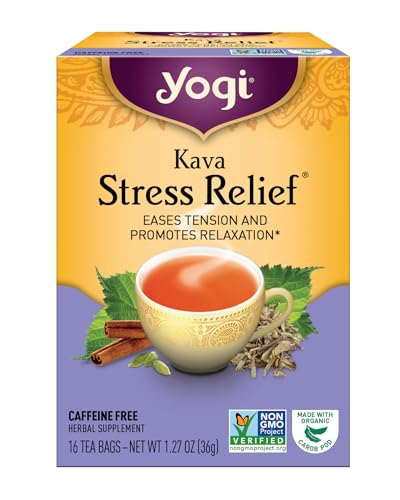
One standout choice among calming teas for those seeking natural support for stress relief and better sleep is Yogi Tea’s Kava Stress Relief blend in its 16-count package. I find its spicy-sweet flavor, from kava, cinnamon, and organic carob, both warming and grounding. It’s caffeine-free, vegan, and kosher, with compostable tea bags and no artificial ingredients. USDA Organic and Non-GMO Project Verified, it uses ethically sourced herbs from sustainable farms. As a Certified B Corp, Yogi prioritizes environmental care and ethical practices. This tea supports relaxation and may help ease tension, making it a practical option for unwinding.
Best For: Individuals seeking a natural, caffeine-free way to support relaxation, reduce stress, and promote restful sleep with a deliciously warming, spicy-sweet herbal blend.
Pros:
- Supports mental and physical relaxation with traditionally calming Kava and soothing cinnamon
- Caffeine-free, vegan, kosher, and gluten-free with no artificial flavors or sweeteners
- Sustainably sourced and packaged in compostable tea bags, backed by USDA Organic, Non-GMO Project Verified, and B Corp certifications
Cons:
- Kava may not be suitable for individuals with liver sensitivities or those on certain medications
- Some users may find the earthy, spicy-sweet flavor profile intense or unfamiliar
- Higher price point compared to conventional herbal teas due to organic and ethical sourcing standards
Yogi Tea Relaxation Variety Pack (3 Packs)

You’ll find the Yogi Tea Relaxation Variety Pack (3 Packs) especially helpful if you’re looking for a dependable, organic option to support evening calm and manage everyday stress. I keep these on hand because they’re USDA Organic and blend traditional Ayurvedic herbs like chamomile, lavender, and kava. The pack includes 48 tea bags total-three types: Honey Lavender Stress Relief, Bedtime Tea, and Comforting Chamomile-so I can choose based on how I feel. Each blend brews smoothly when I follow the instructions on the carton. Yogi uses quality botanicals, and I notice the flavors are calming, not overpowering, making these teas a practical part of my wind-down routine.
Best For: Individuals seeking a reliable, USDA Organic herbal tea option to support relaxation, ease everyday stress, and enhance evening wind-down routines.
Pros:
- Features three soothing blends-Honey Lavender Stress Relief, Bedtime Tea, and Comforting Chamomile-for versatile relaxation options
- Made with certified organic, high-quality botanicals rooted in Ayurvedic tradition
- Convenient variety pack with 48 tea bags (3 packs of 16) for extended use and choice
Cons:
- May not provide strong enough effects for those seeking potent stress or sleep support
- Contains kava in some blends, which may not be suitable for everyone or for long-term use
- Individual brewing instructions require checking each carton, which can be inconvenient
Traditional Medicinals Organic Nighty Night Tea (16 Bags)

For those seeking a natural approach to occasional sleeplessness, Traditional Medicinals Organic Nighty Night Tea stands out with its potent blend centered on valerian root, known for supporting deeper rest. I’ve found the addition of passionflower and lemon balm enhances relaxation, while peppermint adds a revitalizing, earthy flavor that’s not overpowering. It’s caffeine-free, USDA Organic, and kosher-certified, so I trust its quality. The compostable bags align with eco-friendly values. Each box has 16 individually packed teas, making it easy to try without a big commitment. If you’re exploring sleep aids, this one offers a well-balanced, herbal option grounded in traditional use.
Best For: Individuals seeking a natural, herbal solution to occasional sleeplessness with a focus on organic, eco-conscious products.
Pros:
- Features a potent blend of valerian root, passionflower, and lemon balm known for promoting relaxation and restful sleep
- USDA Certified Organic, caffeine-free, kosher-certified, and made with compostable tea bags for quality and sustainability
- Pleasant earthy-minty flavor from peppermint makes it palatable and soothing without being overpowering
Cons:
- Valerian root may have a strong, earthy taste that some users find unpleasant
- Only 16 tea bags per box, which may be fewer than other competing brands offering larger quantities
- May not provide immediate results, as herbal remedies often require consistent use for full effect
Twinings Superblends Calm Herbal Tea (18 Bags)
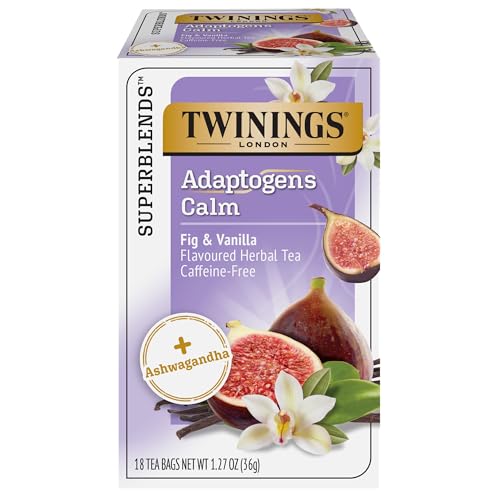
A small step toward managing daily stress, Twinings Superblends Calm Herbal Tea works well for anyone seeking a caffeine-free, naturally supportive option to include in a balanced routine. I like it because it blends ashwagandha, rooibos, and chicory root to support relaxation, with sweet fig and vanilla smoothing each sip. You can drink it hot or iced, and two cups a day may help ease tension over time. It’s part of Twinings’ expertly crafted Superblends line, made with care by nine Master Blenders. Twinings also supports ethical sourcing, improving water access and women’s empowerment in tea-growing areas.
Best For: Individuals seeking a caffeine-free herbal tea to support relaxation and manage daily stress as part of a balanced lifestyle.
Pros:
- Combines adaptogens like ashwagandha with rooibos and chicory root for functional wellness benefits
- Pleasant flavor profile with sweet fig and smooth vanilla, enjoyable hot or iced
- Ethically sourced with a commitment to improving water access and women’s empowerment in tea-growing communities
Cons:
- Effects may be subtle and require consistent daily use to notice benefits
- Contains chicory root, which may cause digestive sensitivity in some individuals
- Higher price point compared to standard herbal teas due to premium ingredients and ethical sourcing
Traditional Medicinals Stress Ease Tea (16 Bags)

This herbal tea stands out for anyone seeking a natural way to manage daily stress with a blend that’s both effective and pleasant to drink. I rely on its USDA Certified Organic, caffeine-free formula when I need calm without drowsiness. The adaptogens ashwagandha and shatavari help support my mood and stress resilience, while rose flower and nervines soothe my nervous system. Honeybush adds a mild, floral sweetness, making it easier to enjoy daily compared to bitter supplements. These 16 compostable, Kosher, Non-GMO bags are herbalist-formulated and part of Traditional Medicinals’ targeted wellness approach-ideal for sustainable, mindful use.
Best For: Individuals seeking a natural, daily herbal tea to support relaxation, emotional balance, and stress resilience with a pleasant, non-bitter taste.
Pros:
- USDA Certified Organic, Non-GMO, Kosher, and compostable tea bags for clean, sustainable consumption
- Blended with adaptogens like ashwagandha and shatavari to support mood and stress response
- Mild, floral, and slightly sweet flavor from honeybush and rose, making it enjoyable for daily use
Cons:
- Effects may be subtle and not immediately noticeable for acute stress
- Limited quantity with only 16 tea bags per box
- May not appeal to those who prefer stronger or more robust tea flavors
Yogi Tea Relaxation Variety Sampler (5 Packs)

If you’re looking for a reliable way to ease into a calmer state without caffeine, the Yogi Tea Relaxation Variety Sampler (5 Packs) stands out with its thoughtfully crafted blends that support both daytime relaxation and evening wind-down routines. I’ve found the five included varieties-like Blueberry Sage Stress Relief and Comforting Chamomile-to be consistently soothing, thanks to adaptogens such as ashwagandha and kava. Each of the 16 bags per pack delivers clean, organic flavor, and since all are vegan and non-GMO, they suit a range of dietary needs. Yogi’s B Corp commitment means ethical sourcing and quality testing back every cup, which helps me trust what I’m drinking. Brewing one mindfully fits easily into a routine aimed at better sleep hygiene, especially when I swap out late-day caffeine. While results vary, having multiple blends lets me tailor my choice to how I feel-whether I need gentle calm or deeper relaxation. It’s a practical option if you’re exploring non-pharmaceutical supports for stress-related sleep issues.
Best For: Individuals seeking caffeine-free, organic herbal teas to support stress relief, relaxation, and improved sleep hygiene without pharmaceuticals.
Pros:
- Features certified organic, vegan, and non-GMO blends with adaptogens like ashwagandha and kava for natural stress support
- Offers variety in flavor and calming effects, allowing personalized relaxation based on mood or time of day
- Sourced and produced by a Certified B Corporation committed to ethical practices, sustainability, and rigorous quality testing
Cons:
- Effectiveness may vary by individual, with some experiencing minimal impact on stress or sleep
- Contains kava, which some health experts advise against with long-term or excessive use
- Limited tea bags per variety, potentially leading to faster consumption for daily users
TAZO Calm Chamomile Herbal Tea Bags, Caffeine Free Blend, 16 Total Tea Bags

When unwinding after a long day matters most, TAZO Calm Chamomile Herbal Tea stands out for anyone seeking a natural, caffeine-free way to support relaxation and prepare for sleep. I find its blend of chamomile, hibiscus, spearmint, rose petals, lemongrass, blackberry leaves, and peppermint especially balanced, offering a mild, floral flavor with a hint of freshness. Each tea bag is individually wrapped, keeping the botanicals fresh and aromatic until you brew. Since the ingredients are never pre-blended and are sourced globally with care, I trust the quality. It’s Non-GMO Project Verified, so I know it’s made without genetic engineering-important if you value clean, transparent ingredients. I recommend steeping it hot to fully experience its soothing effect, making it a practical choice when calm and sleep matter.
Best For: Individuals seeking a natural, caffeine-free tea to promote relaxation and support better sleep.
Pros:
- Expertly sourced, non-GMO botanicals ensure quality and clean ingredients
- Individually wrapped tea bags preserve freshness and aroma
- Soothing blend of chamomile and herbs designed for a calming, flavorful experience
Cons:
- Contains hibiscus and peppermint, which may not suit everyone’s taste preferences
- Only 16 tea bags per box, which may run out quickly with daily use
- Best served hot, limiting appeal for those who prefer iced herbal teas
Yogi Relaxation Herbal Tea Sampler (32 Bags)

You’ll find the Yogi Relaxation Herbal Tea Sampler (32 Bags) especially well-suited if you’re exploring natural ways to manage everyday stress or ease into restful sleep without relying on medication. It includes eight herbal blends-like Bedtime, Honey Lavender Stress Relief, and Relaxed Mind-with four tea bags each, all crafted from high-quality, organic ingredients rooted in Ayurvedic traditions. Most are USDA Organic and vegan, except the Kava blend, which still uses organic components. The sampler comes in a gift-ready box, making it easy to try different flavors or share with someone seeking gentle, non-GMO options. I’ve found it helpful for winding down, though results vary based on your routine and sensitivity.
Best For: Individuals seeking natural, herbal support for stress relief and better sleep using organic, Ayurvedic-based blends.
Pros:
- Features eight different USDA Organic, vegan, and non-GMO herbal teas designed to promote relaxation and sleep
- Convenient sampler format with four tea bags per flavor, ideal for trying varieties or sharing
- Comes in a gift-ready box, making it suitable for gifting or personal exploration
Cons:
- Kava Stress Relief blend is not USDA Organic certified, which may concern some consumers
- Effects may vary significantly based on individual sensitivity and routine
- Not intended as a medical solution for chronic stress or sleep disorders
Factors to Consider When Choosing a Calming Tea
You’ll want to check the herbal composition, since ingredients like chamomile or passionflower directly influence how well the tea supports relaxation. Look for certifications like USDA Organic or non-GMO to guarantee quality, and don’t overlook flavor-something pleasant makes it easier to stick with a nightly routine. Also consider sourcing and adaptogens, as sustainable practices and added calming compounds can affect both effectiveness and overall experience.
Herbal Composition Matters
A calming tea’s effectiveness often comes down to what’s inside it, so paying attention to the herbal composition helps you make a smarter choice. Chamomile flowers rich in essential oils offer stronger relaxation benefits, making them a solid pick for winding down. Lavender brings linalool and linalyl acetate, compounds that support calm through their soothing aroma and nervous system effects. If stress affects your sleep, adaptogens like ashwagandha may help balance cortisol and improve emotional resilience. Valerian root, thanks to valerenic acid, acts as a mild sedative that can reduce how long it takes to fall asleep and improve overall sleep quality. You’ll often get better results by choosing blends that combine nervines-like passionflower and lemon balm-with flavor-balancing herbs like mint, creating synergy between taste and effectiveness. Always check the ingredient list for active compounds to match the tea to your needs.
Certifications Ensure Quality
While the herbs in your tea play a key role in promoting calm, the certifications on the label can tell you just as much about what you’re truly getting. When you see USDA Certified Organic, you know the tea contains at least 95% organic ingredients, grown without synthetic pesticides or fertilizers. If you care about avoiding GMOs, look for Non-GMO Project Verified-this means the product’s been tested and meets strict third-party standards. Kosher certification guarantees the tea follows specific dietary rules, which may matter during religious practices. Choosing a brand with B Corp Certification means you’re supporting a company that values social and environmental responsibility. For eco-conscious disposal, check for compostable tea bag certification, which confirms the packaging breaks down safely and reduces plastic waste. These labels help you make informed, thoughtful choices without guesswork.
Flavor Influences Experience
Since flavor plays a direct role in how consistently you’ll enjoy a calming tea, choosing one that matches your taste preferences matters just as much as its functional ingredients. Floral notes like chamomile or lavender engage your senses with gentle, soothing aromas that may deepen the tea’s relaxing effect. If you prefer a fresher taste, mint adds a cooling sensation and clean finish, offering sensory contrast that can enhance relaxation. Sweet hints of vanilla or fig improve palatability, making nightly use more enjoyable and sustainable. But be mindful-earthy or bitter flavors from valerian or chicory can be strong, and not everyone likes them, even if they help with stress. Adaptogens like ashwagandha often taste woody or astringent, but blends that balance them with sweeter notes tend to be easier to drink. Try a sample first to see how your palate responds.
Sourcing Reflects Sustainability
When you choose a calming tea, the source of its ingredients matters as much as the blend itself. You support soil health and biodiversity by selecting teas from organically certified farms. Ethically sourced ingredients mean farmers receive fair wages and work in safe conditions, promoting community sustainability. Look for non-GMO verification and avoid synthetic pesticides, which helps protect water quality and natural ecosystems. Some brands use regenerative agriculture, a method that pulls carbon into the soil, actively fighting climate change while growing calming botanicals. Packaging also counts-opt for teas in compostable materials paired with sustainably harvested plants to reduce waste. These choices shape environmental impact across the product’s life. You’re not just sipping for calm-you’re casting a vote for the kind of world those ingredients come from. Thoughtful sourcing means better outcomes for people, planet, and your peace.
Adaptogens Enhance Calming Effects
If you’re looking to deepen the calming effects of your tea, choosing blends with adaptogens can make a meaningful difference. These natural compounds help your body adapt to stress, supporting balance without drowsiness. When you drink teas with ashwagandha or shatavari, you’re helping regulate cortisol and your nervous system over time. Rhodiola and eleuthero add mental clarity while reducing fatigue, so you stay calm but alert. Unlike sedatives, adaptogens work gently by tuning your body’s stress response, not overriding it. Regular use can improve emotional resilience and reduce long-term stress impact. Look for teas that clearly list adaptogenic herbs and their concentrations-this helps you assess potency and consistency. Choose reputable brands that test for purity and provide sourcing details. While results build gradually, the steady support they offer makes them a smart, sustainable choice for managing daily stress naturally.
Brewing Method Affects Benefits
Though the blend matters, how you brew your calming tea plays a critical role in accessing its full benefits. Steep your tea for 5 to 10 minutes to fully release calming compounds like apigenin in chamomile. Use boiling water-around 212°F-to activate essential oils and adaptogens from tough plant fibers. Keep the cup covered while steeping to trap volatile aromatic oils that support nervous system relaxation. Skip the lid or rush the steep, and you’ll get weaker effects. Use enough water so the herbs have room to expand and release their chemistry. A ceramic or glass vessel helps hold heat steady, improving extraction. Under-steep or use a cold mug, and the tea won’t deliver its full potential. Getting the method right means better support for your sleep routine, especially if you’re managing occasional restlessness or sleep disturbances. Small tweaks lead to measurable differences.
Frequently Asked Questions
Can These Teas Be Mixed Together for Stronger Effects?
Yes, you can mix these teas for stronger effects, but it’s best to start with one at a time to gauge how your body responds. Combining chamomile, passionflower, and lemon balm is usually safe and may enhance relaxation. Always check for herb interactions, especially if you take medications. Start with half-strength blends to avoid upset stomach or drowsiness. You might need a few nights to see results, so keep a simple sleep log. Trial periods of 3–5 nights help judge effectiveness without overcommitting. Some brands offer sampler packs with return options if blends don’t suit your routine.
Are There Age Restrictions for Drinking These Calming Teas?
you should check with a doctor before giving calming teas to children under 12, as their bodies react differently. adults usually tolerate them well, but pregnant women or those on medication should consult a healthcare provider first. some herbs can interfere with prescriptions or conditions. always start with a small amount to see how you respond. brands often list age guidelines on packaging, so read labels carefully to make safe, informed choices.
Do These Teas Interact With Prescription Anxiety Medications?
Yes, these teas can interact with prescription anxiety meds, so you should talk to your doctor before mixing them. Ingredients like valerian or chamomile may increase drowsiness or affect how your body processes medications. You’ll want to check labels and consider timing-drinking tea at a different time than your meds might help. When in doubt, a quick call to your pharmacist gives you safer clarity.
How Long Before Bed Should I Drink These Teas?
Drink calming teas about 30 to 60 minutes before bed so your body has time to process them and you can wind down. This window helps the herbs take effect when you’re ready to sleep. Avoid drinking too late, or you might wake up needing the bathroom. Sipping tea becomes part of a steady routine, signaling your mind it’s time to rest. Try different times for a few nights to see what works best for your sleep pattern.
Are These Teas Safe During Pregnancy?
You should only drink calming teas during pregnancy if you’ve checked with your doctor first. Some herbs, like chamomile and passionflower, might affect hormones or uterine activity. You’re better off choosing teas proven safe in pregnancy, like ginger or red raspberry leaf, depending on your trimester. Not all natural ingredients are risk-free, so you’ll want clear medical guidance before using them regularly, especially if you have existing health concerns.