Best Sleep Aid Supplements That Actually Help You Drift Off
You’ll find effective support in supplements like Sports Research Sleep Complex, which uses magnesium, L-theanine, and valerian root to help you drift off naturally without melatonin. For faster results, try melatonin-containing options such as Nature’s Bounty Sleep3 or Relaxium Sleep Aid, which combine time-release formulas with calming herbs. If you prefer non-hormonal blends, Advanced Sleep Aid or NOW Foods Sleep Supplement offer GABA, ashwagandha, and plant extracts to promote relaxation. Many are vegan, third-party tested, and come with satisfaction guarantees-options worth exploring further.
We are supported by our audience. When you purchase through links on our site, we may earn an affiliate commission, at no extra cost for you. Learn more. Last update on 21st July 2026 / Images from Amazon Product Advertising API.
Notable Insights
- Melatonin-free options like valerian root, GABA, and L-theanine support natural sleep without hormonal influence.
- High-potency melatonin supplements, such as 10 mg time-release tablets, help regulate sleep onset and duration.
- Multi-ingredient blends combining melatonin, magnesium, and calming herbs enhance sleep quality and relaxation.
- Chewable gummies with 3 mg melatonin, L-theanine, and botanicals offer a palatable, easy-to-take option.
- Third-party tested, non-GMO, and vegan formulations ensure safety, purity, and suitability for long-term use.
Sports Research Sleep Complex Vegan Capsules

If you’re looking for a melatonin-free option that still supports deep, restful sleep without next-day drowsiness, Sports Research Sleep Complex Vegan Capsules might be the best choice for you. I’ve found this formula works by combining five key ingredients: three forms of magnesium, valerian root, 200 mg of L-theanine, 125 mg of GABA, and 100 mg of 5-HTP, all targeting different parts of sleep regulation. It helps me relax faster and sleep more deeply. The capsules are vegan, non-GMO, third-party tested, and made in a U.S. facility following strict quality standards-giving me confidence in what I’m taking nightly.
Best For: Individuals seeking a melatonin-free, plant-based sleep supplement that promotes restful sleep without next-day drowsiness.
Pros:
- Combines five science-backed ingredients to support relaxation, sleep onset, and sleep quality
- Vegan, non-GMO, gluten-free, and made in a cGMP-compliant U.S. facility with third-party testing
- Contains multiple forms of magnesium and 5-HTP to support both body and mind for deeper sleep
Cons:
- Contains 5-HTP, which may not be suitable for individuals on certain medications like antidepressants
- Some users may experience mild gastrointestinal discomfort due to magnesium or 5-HTP
- Slower onset compared to melatonin-based formulas, requiring consistent use for optimal results
HealthA2Z Sleep Aid 50mg (250 Softgels)

I rely on diphenhydramine HCl for quick help when occasional sleeplessness strikes, and HealthA2Z Sleep Aid 50mg fits that need with a straightforward, effective formula. Each softgel delivers 50 mg to support faster sleep onset and more continuous rest, so you’re likely to wake up feeling refreshed. The liquid-filled softgels go down easily and absorb quickly, which I appreciate when I need relief fast. With 250 softgels per bottle, I’ve got a long-term supply that cuts down on frequent reordering. It’s meant for adults and kids 12 and up-one at bedtime, as needed-so dosing stays simple.
Best For: Adults and children 12 years and older seeking fast, temporary relief from occasional sleeplessness with a reliable, easy-to-take sleep aid.
Pros:
- Contains 50 mg of diphenhydramine HCl per softgel for effective, fast-acting sleep support
- Liquid-filled softgels are easy to swallow and designed for rapid absorption
- Large supply of 250 softgels provides long-term use and fewer reorders
Cons:
- May cause morning drowsiness or grogginess in some users
- Not intended for long-term use; tolerance can develop with frequent use
- Not suitable for children under 12 years old
12-in-1 Melatonin Sleep Capsules 5mg (90ct)
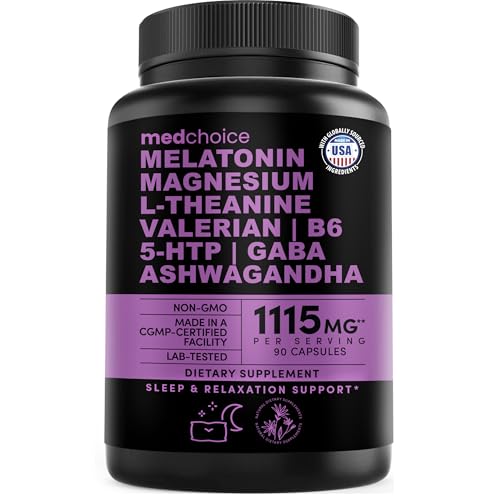
The 12-in-1 Melatonin Sleep Capsules (5mg, 90ct) work best for adults who want a complete, non-habit-forming sleep aid that supports both falling asleep and waking up feeling refreshed. I take one capsule nightly, and it combines 5mg of melatonin with 500mg of Magnesium Glycinate, L-Theanine, and Valerian Root 10:1 extract to support deep, calm sleep. The formula includes GABA, 5-HTP, and chamomile, which help regulate relaxation and mood. It’s vegan, with black pepper extract to boost absorption. Either label version is safe and identical in quality. I’ve noticed better sleep quality without grogginess, and it fits well into a consistent routine.
Best For: Adults seeking a non-habit-forming, vegan sleep aid that supports restful sleep, morning alertness, and overall sleep quality with a comprehensive blend of science-backed ingredients.
Pros:
- Combines 12 synergistic ingredients including 5mg melatonin, 500mg Magnesium Glycinate, and Valerian Root 10:1 extract for deep, calm sleep
- Vegan-friendly formula with black pepper extract to enhance absorption and support consistent sleep cycles
- Supports both falling asleep and waking up refreshed, without grogginess or dependency concerns
Cons:
- Contains 5mg of melatonin, which may be higher than needed for some individuals sensitive to melatonin
- Label transition may cause confusion despite both versions being identical in quality and formulation
- Some ingredients like Valerian Root may have a strong effect or aftertaste for certain users
Advanced Sleep Aid with GABA & L-Theanine

Who might benefit most from a melatonin-free solution that supports deep, restorative sleep without the risk of dependency? If you’re sensitive to hormones or worry about long-term use, this Advanced Sleep Aid with GABA & L-Theanine could be a smart choice. Each capsule delivers 750mg of GABA, plus calming L-Theanine, Ashwagandha, and Magnesium Glycinate to ease your mind naturally. It supports serotonin production through 5-HTP and balances stress hormones without melatonin. B6 and B12 aid neurotransmitter function, helping you feel rested, not groggy. I appreciate that FIDUS, a trusted U.S. brand with 30 years’ experience, offers a full refund-no questions asked.
Best For: Individuals seeking a non-habit forming, melatonin-free sleep aid to support deep, restorative sleep and natural relaxation without next-day grogginess.
Pros:
- Supports natural sleep cycles with GABA, L-Theanine, and Magnesium Glycinate without melatonin
- Helps balance stress hormones and mood with Ashwagandha, 5-HTP, and B-vitamins
- Backed by a no-questions-asked full refund guarantee from a trusted U.S. brand with 30 years of experience
Cons:
- May not be effective for those who require melatonin-based solutions for severe insomnia
- High dose of GABA may not be suitable for everyone; potential for individual sensitivity
- Results may take time as the formula works to support natural neurotransmitter and hormonal balance
Nature’s Bounty Sleep3 Melatonin 10mg (60 Tablets)

Looking for a sleep aid that supports both falling asleep and staying asleep without relying on drugs? I’ve tried Nature’s Bounty Sleep3, and its 10 mg melatonin dose with time-release tech helps me stay asleep longer. The triple-layer tablet releases L-Theanine and calming herbs like chamomile and lavender right away, then melatonin in phases-first to start sleep, then slowly to maintain it. It’s drug-free, non-GMO, and fits my vegetarian lifestyle. I appreciate that it’s free from sugar, soy, and artificial stuff. Backed by 50 years of brand trust and lab-tested quality, it’s a solid choice if you want full-night support without prescription meds.
Best For: Adults seeking a drug-free, maximum-strength sleep aid to support both falling asleep and staying asleep with sustained, time-released melatonin and natural calming ingredients.
Pros:
- Features triple-action time-release technology to promote sleep onset and maintenance throughout the night
- Contains natural ingredients including 10 mg melatonin, L-Theanine, and a blend of calming herbs like chamomile and lavender
- Non-GMO, vegetarian, gluten-free, and free from artificial flavors, sugar, soy, and sodium
Cons:
- 10 mg melatonin dose may be too strong for some individuals, potentially causing morning grogginess
- Herbal ingredients may have mild effects that vary between users
- Not intended for long-term use or chronic insomnia without consulting a healthcare provider
OLLY Restful Sleep Gummies with Melatonin (50 Count)

Craving a quiet mind and steady rest? I’ve tried OLLY Restful Sleep Gummies, and they deliver a thoughtful blend in a chewable form. With 3mg of melatonin, they help me fall asleep and stay that way, while L-theanine and botanicals like chamomile and lemon balm ease racing thoughts. I take two gummies 30 minutes before bed-chewing well makes them easier to digest. They’re drug-free, gluten-free, and use natural flavors, including a light blackberry-zen taste with a hint of mint. The texture’s smooth, and the 50-count bottle lasts about 25 nights. It’s a solid, no-fuss option if you prefer natural ingredients without synthetic additives.
Best For: Individuals seeking a natural, gummy-based sleep aid with melatonin and calming botanicals to support both falling and staying asleep.
Pros:
- Contains 3mg melatonin per serving to support sleep onset and maintenance
- Includes L-theanine and traditional botanicals like chamomile and lemon balm for relaxation
- Drug-free, gluten-free, and made with natural flavors and no synthetic additives
Cons:
- Some may find the melatonin dosage too high for sensitive individuals
- Gummies may be less precise in dosing compared to tablets or capsules
- Limited flavor options and potential for texture preference variability
Magnesium L-Threonate Sleep Blend for Brain Support

If you’re aiming to support both brain health and restful sleep without relying on melatonin, this Magnesium L-Threonate Sleep Blend stands out as a smart choice. I’ve looked closely at the formula-it delivers 1050mg of liposomal magnesium complex, including Magnesium L-Threonate and Phosphatidylserine, both backed by clinical research for memory and mental clarity. Added L-Theanine, chamomile, valerian root, and apigenin help relax the mind and support natural sleep onset. The liposomal delivery boosts absorption, so your brain gets more of what it needs. It’s vegan, non-GMO, and made in the U.S. in a cGMP facility, with no artificial additives or common allergens. Each bottle is a 30-day supply, giving you a full month to test its effects on sleep quality and focus.
Best For: Individuals seeking to enhance cognitive function and support natural, restful sleep without melatonin or artificial additives.
Pros:
- Supports brain health with clinically researched ingredients like Magnesium L-Threonate and Phosphatidylserine for memory, focus, and mental clarity
- Promotes relaxation and sleep onset using natural ingredients such as L-Theanine, valerian root, chamomile, and apigenin
- Features liposomal delivery for enhanced absorption and bioavailability, manufactured in a cGMP-certified U.S. facility with no common allergens or artificial ingredients
Cons:
- May not be effective for individuals needing stronger sleep support due to the absence of melatonin
- Premium formulation may come at a higher price point compared to basic sleep supplements
- Limited flavor options or forms (e.g., liquid vs. capsule) for those who prefer alternatives to pill-based supplements
Relaxium Sleep Aid 5mg Melatonin 60 Capsules

One solid option among the best sleep aid supplements is Relaxium Sleep Aid 5mg Melatonin 60 Capsules, especially if you’re dealing with trouble falling or staying asleep and want a formula designed around both speed and sustainability. I appreciate that it uses a triple-action blend to help you fall asleep faster, stay asleep longer, and wake up refreshed-no grogginess. It contains melatonin, magnesium glycinate, ashwagandha, GABA, passionflower, chamomile, and Valerest, all backed by Dr. Eric Ciliberti, MD. The non-habit-forming formula supports deep rest and immune health. It’s easy to swallow, meant for long-term use, and comes with a money-back guarantee. Just talk to your doctor first, especially if you’re on meds or pregnant.
Best For: Individuals struggling with falling asleep, staying asleep, or waking up feeling groggy who want a scientifically backed, non-habit-forming sleep aid designed for long-term use.
Pros:
- Features a triple-action formula with melatonin, magnesium glycinate, ashwagandha, GABA, passionflower, chamomile, and Valerest to promote faster sleep onset, longer sleep duration, and refreshed wakefulness
- Developed by Dr. Eric Ciliberti, MD, and formulated to support immune health through deep, restorative sleep
- Non-habit-forming, easy-to-swallow capsules with a 30-day supply and a money-back satisfaction guarantee
Cons:
- Contains 5mg of melatonin, which may be high for some users sensitive to melatonin
- Requires consultation with a healthcare provider before use, especially for those on medications or who are pregnant or nursing
- Proprietary blend may limit transparency on exact dosages of individual ingredients
Nutricost Sleep Aid Complex 1330mg Serving (90 Capsules) – 30 Servings

While I’m looking for a sleep aid that combines multiple science-backed ingredients in one convenient capsule, the Nutricost Sleep Aid Complex stands out as a solid choice, especially for those who want a non-GMO, gluten-free formula without unnecessary additives. Each 1330mg serving includes melatonin, zinc, lavender, and GABA-ingredients I’ve seen linked to improved sleep onset and quality. The product’s third-party tested, so I know purity and potency aren’t just claims. Made in a GMP-compliant, FDA-registered facility, it gives me confidence in consistency. With 90 capsules (30 servings), I get a full month’s supply, making it easy to assess results without overcommitting.
Best For: Individuals seeking a science-backed, non-GMO, and gluten-free sleep aid with a blend of melatonin, GABA, zinc, and lavender in a convenient, third-party-tested formula.
Pros:
- Combines multiple clinically recognized sleep-supporting ingredients in one capsule
- Third-party tested for purity and potency, ensuring product reliability
- Non-GMO, gluten-free, and made in a GMP-compliant, FDA-registered facility
Cons:
- Contains melatonin, which may cause grogginess in some users the following day
- Limited to 30 servings per bottle, which may require frequent reordering
- May not be suitable for individuals sensitive to herbal ingredients like lavender
NOW Foods Sleep Supplement with Valerian Root (90 Caps)

Now Foods Sleep Supplement with Valerian Root stands out for those who prefer a plant-based, non-habit-forming sleep aid built around herbal tradition and nervous system balance. I’ve found it combines valerian root extract, hops, passionflower, and GABA to promote relaxation and ease nervous tension. The blend supports natural sleep onset and helps me wake feeling refreshed. Since it’s non-GMO and uses vegetarian capsules, it’s a solid choice if you want a botanical approach. I notice the effects build subtly over time, so consistency matters. There’s no harsh drowsiness, just a gentle shift toward calm. It’s not instant, but for mild sleep issues, it’s a balanced, well-constructed option worth trying.
Best For: Individuals seeking a non-habit-forming, plant-based sleep aid that supports relaxation and natural sleep onset through traditional herbs and nervous system balance.
Pros:
- Combines clinically recognized ingredients like valerian root, hops, and passionflower with GABA for synergistic relaxation support
- Non-GMO and vegetarian capsules make it suitable for those prioritizing clean, botanical formulations
- Promotes gradual, natural sleep onset without harsh drowsiness or grogginess upon waking
Cons:
- Effects may take time to build, requiring consistent use for optimal results
- Not ideal for those needing immediate sleep support due to its subtle, cumulative action
- Contains GABA, which may not be effective for all individuals when taken orally due to limited blood-brain barrier penetration
Factors to Consider When Choosing Sleep Aid Supplements
You should check what active ingredients are in a sleep supplement, since things like melatonin, valerian root, or magnesium affect sleep differently. Think about the formulation type-whether it’s a capsule, gummy, or liquid-because that can change how fast it works and how easy it is to take regularly. Also, pay attention to dosage, safety, side effects, and whether the supplement could become habit-forming over time.
Active Ingredients To Consider
A good sleep aid supplement often hinges on the right blend of active ingredients, each playing a distinct role in supporting your sleep cycle. You’ll find melatonin effective for sleep onset, usually in doses of 1–10 mg, though higher amounts may leave you groggy. Magnesium, especially glycinate or L-threonate, promotes relaxation at 100–500 mg, depending on form. GABA may calm your nervous system at 100–750 mg, but its ability to reach the brain remains uncertain. L-Theanine, at 100–200 mg, boosts alpha brain waves for relaxation without daytime drowsiness. Herbal extracts like valerian root (300–600 mg, standardized to 0.5–2% valerenic acid), chamomile, and passionflower also help ease you into sleep naturally. You’ll want to weigh each ingredient’s role, dose, and how your body responds-trial and timing matter as much as the formula itself.
Formulation Type And Delivery
While the active ingredients in a sleep aid determine how well it works, the formulation type and delivery method shape how quickly and consistently those ingredients take effect. Capsules and tablets may use time-release coatings or compressed powders, slowing absorption but extending duration. Softgels deliver liquids that dissolve faster, especially helpful for fat-soluble ingredients like melatonin or certain herbs. Gummies taste better and are easier to take, but often contain binders and may offer lower potency. Liposomal delivery wraps nutrients in lipid spheres, boosting absorption and cellular uptake for stronger results. If you prefer clean labels, vegan or non-GMO options use plant-based excipients and avoid synthetic additives, though these can affect shelf life or stability. You’ll want to weigh speed, comfort, and ingredient compatibility when choosing. Picking the right form can make a noticeable difference in how smoothly you fall and stay asleep.
Dosage And Potency Levels
Since sleep needs and body chemistry vary, choosing the right dosage and potency is key to getting the results you want without overdoing it. You’ll find melatonin in doses from 0.3 mg to 10 mg-lower amounts often work better for gentle sleep support. Magnesium, usually in 200–400 mg doses, promotes relaxation, with glycinate being easier for your body to use. If you choose GABA, look for 100–750 mg to help calm brain activity. For L-Theanine, 100–200 mg boosts calm focus without drowsiness the next day. With herbal extracts like valerian root, check that the label specifies 0.5%–2% valerenic acid to guarantee consistent strength. Starting low helps you gauge your tolerance, and you can adjust slowly. Matching potency to your needs improves your chance of better sleep while avoiding excess. Always read labels carefully to compare actual active amounts.
Safety And Side Effects
If you’re looking for a sleep aid that works without unwanted effects, pay close attention to the ingredients and how they affect your body over time. Supplements with diphenhydramine can leave you feeling drowsy the next day or cause dry mouth and urinary issues, especially if you’re older. Melatonin is usually safe, but higher doses might lead to headaches, dizziness, or nausea. Valerian root and GABA tend to have few side effects and show low toxicity in short-term use. Magnesium or herbal blends may cause stomach upset, vivid dreams, or morning grogginess in some people. You’ll want to track how your body responds, particularly with long-term use, since even non-habit-forming options can lead to tolerance. Watch for changes in alertness or digestion, and consider cycling products to reduce risks. Always assess side effect profiles to make informed, practical choices that support consistent, restful sleep.
Habit Forming Potential
Choosing a sleep aid means thinking about how it might affect your body with regular use. You might build a tolerance to antihistamines like diphenhydramine, needing more over time and raising the risk of dependency. Melatonin supplements don’t usually cause physical dependence, but using them long-term could potentially disrupt your natural sleep rhythms. If you plan to use a sleep aid nightly, you’re better off with ingredients shown to be non-habit forming. Natural compounds like valerian root, GABA, L-theanine, and magnesium support relaxation without altering brain chemistry in addictive ways. 5-HTP and ashwagandha also help regulate sleep-related hormones and neurotransmitters safely at standard doses. These plant-based and nutrient-derived options work gently, making them suitable for ongoing use. Look for formulas that avoid strong pharmaceuticals and rely on evidence-backed, non-addictive ingredients to support rest without unwanted long-term effects.
Dietary Restrictions Compatibility
You can avoid unwanted reactions by checking whether a sleep aid fits your dietary needs, especially if you follow specific eating guidelines or have sensitivities. Look for labels like vegan, non-GMO, gluten-free, or soy-free to skip common allergens and animal-based ingredients. Always read the full ingredient list-dairy, wheat, or shellfish might hide in fillers or coating agents. If you’re on a plant-based diet, pick capsules made from cellulose instead of gelatin. Avoid synthetic additives by choosing formulas without artificial flavors, colors, or sweeteners, especially if you’re sensitive to chemicals. Check that the product is made in a facility following good manufacturing practices (GMP) to reduce the risk of cross-contamination. These steps help you find a supplement that supports your sleep goals without compromising your dietary limits.
Third Party Testing Verification
When you’re evaluating sleep aid supplements, having confidence in what’s inside the bottle matters most, and that’s where third-party testing makes a real difference. You can trust that what’s on the label matches what’s in the product, down to the exact dosage. Independent labs check for heavy metals, pesticides, and microbes, so you’re not exposed to harmful contaminants. These tests also confirm the supplement doesn’t contain banned substances-key if you’re an athlete or cautious about what you ingest. Certified products often come from facilities audited regularly, ensuring consistent quality. Third-party verification doesn’t guarantee results, but it does reduce the risk of taking underdosed, impure, or adulterated formulas. Look for seals from groups like NSF, USP, or ConsumerLab when choosing a product. It’s one of the smarter steps you can take for safer, more reliable support.
Frequently Asked Questions
Can I Take Sleep Supplements Every Night?
You shouldn’t take sleep supplements every night unless a doctor says it’s safe. Long-term use can lead to dependency or reduced effectiveness. You’ll want to use them occasionally while fixing sleep habits first-like keeping a consistent bedtime or cutting screen time. Some ingredients, like melatonin, work best for short-term shifts. Others, like magnesium, may be safer nightly. You should always check labels, start low, and watch how your body reacts over a few nights.
Are Natural Sleep Aids Safer Than Prescription Pills?
You’re often safer starting with natural sleep aids since they tend to have fewer side effects and lower dependency risks than prescription pills. But they’re not risk-free-some interact with medications or worsen health conditions. Prescription options are stronger and better for short-term, severe insomnia, but long-term use requires medical supervision. You’ll want to weigh onset time, duration, your health history, and whether you need occasional or ongoing support.
Do Sleep Supplements Cause Dependency Over Time?
You’re unlikely to develop a dependency on most sleep supplements if you use them as directed. Melatonin, magnesium, and L-theanine don’t typically cause physical reliance, unlike some prescription meds. Still, taking them nightly for months might make your body expect support, so try using them intermittently. Start with the lowest effective dose, and pair use with good sleep habits-like consistent bedtimes and reduced screen time-for better long-term results.
Will Sleep Aids Affect My Morning Alertness?
Yes, some sleep aids can dull your morning alertness, especially if they linger in your system. You might feel groggy or foggy when you wake. Shorter-acting supplements, like melatonin taken 30 minutes before bed, usually clear faster and reduce next-day effects. Others, like antihistamines or sedative herbs, may last longer. Try low doses first, stick to consistent sleep hours, and monitor how you feel by mid-morning.
Can I Combine Melatonin With Other Sleep Supplements?
Yes, you can combine melatonin with other sleep supplements, but you should do so carefully. Taking it with ingredients like magnesium or L-theanine may boost relaxation without increasing next-day drowsiness. Avoid mixing it with sedatives or alcohol, as that raises the risk of excessive drowsiness. Start with low doses, track how you feel, and consult your doctor if you’re on medication or have health concerns.