Best Baby Sleep Aromatherapy for Calm, Restful Nights
You can safely use baby sleep aromatherapy with products like Oilogic’s roll-on or spray, both made with pure lavender and chamomile in gentle carrier oils-ideal for calming without synthetic additives. Frida’s bath drops and Zarbee’s sleep spray offer convenient, pediatrician-approved options for nightly routines. Pre-diluted formulas guarantee safety for infants 3 months and older. While aromatherapy supports relaxation, it works best alongside consistent habits-discover how each option fits your routine and needs.
We are supported by our audience. When you purchase through links on our site, we may earn an affiliate commission, at no extra cost for you. Learn more. Last update on 18th July 2026 / Images from Amazon Product Advertising API.
Notable Insights
- Choose baby-safe aromatherapy products with calming, research-backed essential oils like lavender and chamomile.
- Opt for pediatrician-tested, non-toxic formulas free from parabens, phthalates, and synthetic fragrances.
- Avoid eucalyptus, peppermint, and rosemary oils in infants under 30 months due to airway risks.
- Use roll-ons, sprays, or bath drops as part of a consistent bedtime routine for best results.
- Apply products like Oilogic or Zarbee’s on skin, linens, or in baths for safe, effective nighttime aromatherapy.
Oilogic Sleep Roll-On for Babies

If you’re looking for a natural way to support your baby’s bedtime routine, the Oilogic Sleep Roll-On for Babies might be a good fit, especially if you prefer products made with simple, plant-based ingredients. I use it on my baby’s neck, chest, and feet every night-it’s mess-free and absorbs quickly. The blend of pure lavender and chamomile oils, diluted in jojoba and grapeseed oil, feels gentle on sensitive skin. It’s pediatrician-tested, free from harsh chemicals, and vegan. I appreciate that it’s part of a four-step calming system, though it works well on its own. Made in the USA, it’s a quiet, reliable option for nighttime support.
Best For: Parents seeking a natural, gentle aromatherapy solution to support their baby’s bedtime routine using plant-based, pediatrician-tested ingredients.
Pros:
- Made with 100% pure lavender and chamomile essential oils known for calming effects
- Diluted with jojoba and grapeseed oil for safe, gentle use on infants and toddlers
- Part of a 4-step calming system and free from parabens, phthalates, synthetic fragrances, and other harsh chemicals
Cons:
- May not be effective for babies who are highly sensitive to even natural scents
- Requires consistent nightly application for best results
- Limited availability outside of online retailers
Frida Baby Lavender Sleep Bath Drops

I’ve found the Frida Baby Lavender Sleep Bath Drops work best for parents seeking a gentle, natural way to help infants age 3 months and older unwind at bedtime. I use them in a warm bath or with the Frida 3-in-1 Humidifier for soft, calming aromatherapy. The organic lavender oil promotes relaxation, and I appreciate the sulfate-free, paraben-free, phthalate-free, and dye-free formula-it feels safe for sensitive skin. A 0.32 fl oz bottle gives about 10 baths or over 90 humidifier uses, making it efficient. I’ve noticed it supports a consistent routine, which can help ease mild sleep challenges over time.
Best For: Parents of infants 3 months and older looking for a natural, gentle way to support bedtime relaxation and establish a calming nighttime routine.
Pros:
- Organic lavender oil promotes soothing aromatherapy for improved sleep readiness
- Free from sulfates, parabens, phthalates, and dyes, making it safe for sensitive skin
- Versatile use in bathwater or with the Frida Baby 3-in-1 Humidifier for extended application
Cons:
- Small bottle size (0.32 fl oz) may seem limited despite multiple uses
- Limited to children 3 months and older, not suitable for newborns
- Lavender scent, while calming for many, may not appeal to all infants or caregivers
Zarbee’s Baby Sleep Spray 2oz

Zarbee’s Baby Sleep Spray 2oz is my go-to choice when I need a safe, natural way to signal to my baby that it’s time to wind down. I simply spritz it into the air during our bedtime routine, and the calming blend of lavender and chamomile helps create a peaceful environment. It’s free from artificial fragrances, parabens, and petroleum, which gives me peace of mind since my baby is sensitive. Developed by a pediatrician, it’s gentle for infants 0+ and fits easily into nightly rituals. The 2oz bottle is compact, travel-friendly, and lasts a while with regular use.
Best For: Parents seeking a natural, pediatrician-approved bedtime spray to help soothe infants 0+ and support a calm sleep environment.
Pros:
- Formulated with natural lavender and chamomile to promote relaxation
- Free from artificial fragrances, parabens, and petroleum for sensitive babies
- Developed by a pediatrician and recommended by pediatricians nationwide
Cons:
- Contains essential oils, which may not be suitable for all newborns or those with scent sensitivities
- Limited to ambient use; not a treatment for sleep disorders
- Small 2oz size may require frequent repurchasing for daily users
Oilogic Sleep Spray for Babies & Toddlers (2-Pack)

The Oilogic Sleep Spray for Babies & Toddlers (2-Pack) works best if you’re looking for a gentle, natural way to enhance your child’s bedtime routine with aromatherapy. I use it on my toddler’s pillow and pajamas, and it dries quickly without staining. It’s made with 100% pure essential oils like lavender and chamomile, diluted safely for little ones. The formula is free from parabens, phthalates, and synthetic fragrances, and it’s pediatrician-tested for sensitivity. Since it’s cruelty-free and vegan, I feel better about using it nightly. It fits well into a 4-step sleep routine, especially after bath time and before cuddles.
Best For: Parents seeking a natural, pediatrician-tested aromatherapy solution to safely support their baby’s or toddler’s bedtime routine.
Pros:
- Made with 100% pure essential oils like lavender and chamomile, diluted for infant and toddler safety
- Free from parabens, phthalates, synthetic fragrances, and other harmful additives
- Cruelty-free, vegan, and integrates seamlessly into a 4-step sleep regimen
Cons:
- Limited to aromatherapy benefits; may not help with sleep issues rooted in medical or behavioral causes
- Requires consistent use as part of a routine for optimal results
- May not appeal to children who are sensitive to even natural scents
Zarbee’s Baby Massage Oil 4oz

When you’re looking for a gentle way to ease your baby into a calm bedtime routine, especially if they have sensitive skin or react to strong scents, Zarbee’s Baby Massage Oil 4oz stands out as a dependable choice. I use it during our nightly ritual because it’s free of artificial fragrances, dyes, and parabens. The blend of lavender and chamomile offers a subtle, calming scent that doesn’t overwhelm. It’s non-greasy, absorbs well, and is safe for newborns. Developed by a pediatrician, it’s part of a trusted line designed for delicate skin. I appreciate that it supports relaxation without harsh ingredients.
Best For: Parents seeking a gentle, naturally inspired massage oil to help soothe newborns and infants with sensitive skin during bedtime routines.
Pros:
- Formulated with calming lavender and chamomile, known for their relaxing properties
- Free of artificial fragrances, dyes, and parabens, making it safe for delicate skin
- Non-greasy, absorbs quickly, and is developed by a pediatrician for infant safety
Cons:
- Subtle scent may not be noticeable for those expecting a stronger aroma
- Limited size options may require frequent repurchasing
- Not a treatment or cure for sleep disorders despite supporting sleep routines
Oilogic Baby Sleep Essentials Gift Set

If you’re looking for a natural way to support your baby’s sleep routine without relying on synthetic fragrances or harsh chemicals, the Oilogic Baby Sleep Essentials Gift Set offers a clean, plant-based solution designed with sensitive skin and safe nightly use in mind. I use the 3-in-1 wash, calming cream, linen mists, and roll-on oil together as a four-step ritual that gently signals bedtime. Made with pure lavender and chamomile oils diluted in jojoba, grapeseed, and coconut oils, it’s safe for infants and free from parabens, phthalates, and artificial ingredients. Pediatrician-tested and cruelty-free, it’s a thoughtful option for parents wanting natural, consistent sleep support without synthetic additives.
Best For: Parents seeking a natural, chemical-free sleep routine to gently calm their babies using plant-based, pediatrician-tested products.
Pros:
- Formulated with 100% pure essential oils like lavender and chamomile for natural aromatherapy
- Free from parabens, phthalates, synthetic fragrances, and other harsh chemicals
- Includes a complete four-step sleep ritual for consistent bedtime consistency
Cons:
- Contains essential oils, which may not be suitable for babies with specific sensitivities or allergies
- Premium pricing may be higher than conventional baby sleep products
- Linen mists require reapplication since they’re free from long-lasting synthetic fixatives
Plant Therapy Kids Nighty Night Roll-On

Looking for a natural way to ease your child into restful sleep? I’ve found the Plant Therapy Kids Nighty Night Roll-On helps gently shift little ones from alertness to calm. It’s pre-diluted with a blend of KidSafe essential oils like lavender, chamomile, and cedarwood-no mixing needed. Just roll it on their chest or neck 30 minutes before bed. The formula’s third-party tested for purity, so I trust what I’m applying. Certified aromatherapists are available if questions come up. It’s affordable, easy to use, and works well when added to bedtime routines-though results may vary by child.
Best For: Parents seeking a natural, safe, and easy-to-use aromatherapy solution to support calmness and promote better sleep in children.
Pros:
- Pre-diluted, KidSafe essential oil blend designed specifically for children’s sensitive skin
- Contains soothing, 100% pure essential oils like lavender, chamomile, and cedarwood to support relaxation
- Third-party tested for purity and backed by certified aromatherapists for confident use
Cons:
- Effectiveness may vary between children, with some responding more slowly to aromatherapy
- Roll-on application may not be preferred by kids who dislike touch or topical products
- Contains essential oils that require careful use and may not be suitable for very young infants without professional guidance
Frida Baby Breathefrida Vapor Bath Drops
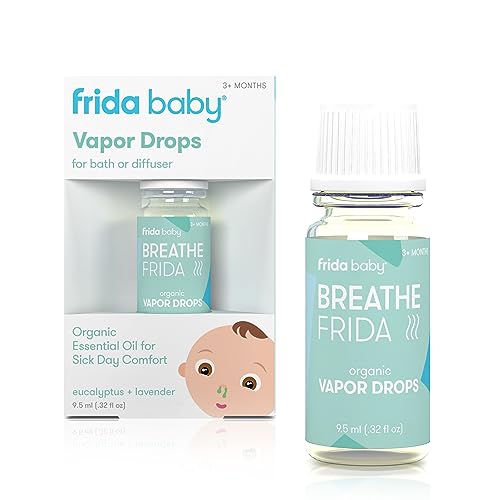
Though not a cure, Frida Baby Breathefrida Vapor Bath Drops can ease congestion that disrupts a baby’s sleep, especially for infants 3 months and older. I’ve found the organic eucalyptus oil helps clear little airways when added to bathwater or used in the Frida 3-in-1 Humidifier. It’s free from sulfates, parabens, phthalates, and dyes, so I feel safe using it regularly. One 0.32 fl oz bottle gives about 10 baths or over 90 humidifier sessions, making it efficient for nighttime relief. It’s ideal for sick nights but gentle enough for routine use, offering subtle aromatherapy support when rest matters most.
Best For: Parents seeking a safe, natural solution to help relieve their baby’s congestion during bath time or via humidifier use, especially for infants 3 months and older.
Pros:
- Organic formula with eucalyptus oil helps clear nasal congestion naturally
- Versatile use in bathwater or Frida 3-in-1 Humidifier for up to 90 sessions
- Free from sulfates, parabens, phthalates, and dyes for gentle, regular use
Cons:
- Small bottle size may seem limited despite high yield
- Scent may be strong for some babies’ sensitive noses
- Only suitable for babies 3 months and older, limiting use for newborns
Oilogic Slumber & Sleep Essential Oil Bath Soak
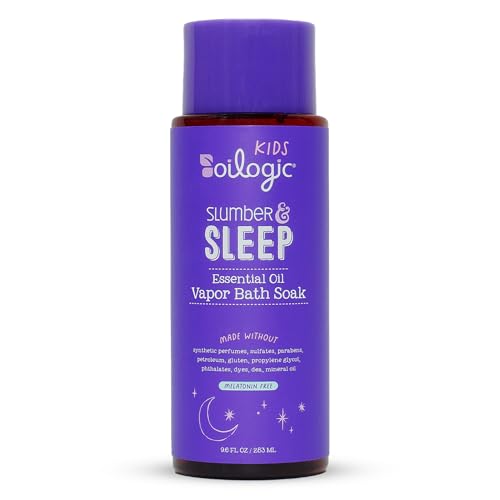
Oilogic Slumber & Sleep Essential Oil Bath Soak is my go-to choice when I need a safe, natural way to calm my baby’s senses before bed. I pour a generous amount into the warm bath, and the steam releases a gentle blend of pure lavender and chamomile oils, which helps ease my little one into a relaxed state. It’s pediatrician- and dermatologist-tested, free from harsh chemicals, and safe for daily use. I appreciate that it doubles as a foaming cleanser. Made by moms in the USA, this vegan, cruelty-free soak fits seamlessly into our nighttime routine.
Best For: Families seeking a natural, gentle, and safe bath product to help calm babies and toddlers before bedtime.
Pros:
- Pediatrician- and dermatologist-tested, ensuring safety for sensitive baby skin
- Made with 100% pure essential oils and free from harsh chemicals, synthetic fragrances, and common irritants
- Doubles as a foaming cleanser and sleep-supporting vapor soak for a complete bedtime routine
Cons:
- Limited availability may make it harder to find in local retail stores
- Higher price point compared to conventional baby bath products
- Scent may be too subtle for parents expecting stronger aromatherapy effects
Frida Baby Lavender Sleep Bath Bombs

If your toddler struggles to shift from playtime to bedtime, the Frida Baby Lavender Sleep Bath Bombs can make a noticeable difference by turning bath time into a calming ritual. I’ve found the gentle fizz and lavender essential oil create a soothing sensory experience that helps signal it’s time to wind down. The natural formula dissolves fully in 6–8 minutes, leaving no residue, and pediatrician recommendations support its safety for nightly use. Lavender vapor may ease airways, promoting relaxation, while skin-softening ingredients protect delicate skin. It’s a practical, non-toxic option worth trying if consistent sleep routines are a challenge.
Best For: Toddlers who have difficulty transitioning from playtime to bedtime and need a calming, sensory-rich bath experience to support a consistent sleep routine.
Pros:
- Uses natural lavender essential oil to promote relaxation and help establish bedtime routines
- Creates a soothing, spa-like sensory experience with gentle fizzing that engages children
- Pediatrician-recommended, non-toxic formula dissolves completely with no residue and is safe for nightly use
Cons:
- May not be effective for children who are sensitive or indifferent to lavender scent
- Requires warm water and 6–8 minutes to fully dissolve, which may not fit rushed routines
- Limited to bath-time use, so benefits are dependent on incorporating baths into the nightly schedule
Factors to Consider When Choosing Baby Sleep Aromatherapy
You’ll want to check the key ingredients first, making sure they’re gentle and safe for your baby’s sensitive system. Always look at age suitability, formulation purity, and whether the product has pediatrician-tested validation, since those factors directly affect safety and performance. Keep an eye on essential oil concentration levels too-lower is often better when it comes to delicate skin and developing sleep routines.
Key Ingredients To Prioritize
When selecting a baby sleep aromatherapy product, start by checking the ingredient list for 100% pure essential oils like lavender and chamomile-both backed by research for their calming effects and ability to support restful sleep. You’ll want oils diluted in safe carrier oils, since undiluted formulas can irritate your baby’s sensitive skin. Avoid synthetic fragrances, parabens, phthalates, sulfates, and dyes, which may trigger reactions. Look for third-party tested options, preferably verified through GC-MS analysis, so you know the oils are pure and free from contaminants. Choose plant-based, vegan, and cruelty-free blends made specifically for infants, since these follow stricter safety standards. You’re not just buying a scent-you’re choosing a tool to help regulate your baby’s sleep routine. Prioritizing clean, transparent ingredients means you can trust what you’re using night after night.
Age Suitability And Safety
Start with age-appropriate choices to guarantee your baby benefits safely from aromatherapy. You should only use essential oils on infants aged 3 months and older, since younger babies have underdeveloped respiratory and metabolic systems. For this age group, choose products pre-diluted to 0.5% or less to reduce the risk of skin irritation or adverse reactions. Avoid oils like eucalyptus, rosemary, and peppermint until your child is over 30 months old due to possible airway constriction. Always pick formulations free from synthetic fragrances, phthalates, parabens, and sulfates to minimize exposure to endocrine disruptors. Look for options that are pediatrician-tested and dermatologist-tested-these have been checked for safety and compatibility with sensitive skin and developing immune systems. Making informed, cautious choices helps support your baby’s sleep naturally and safely.
Formulation Purity And Quality
Though purity matters in every aspect of baby care, it’s especially critical in aromatherapy, where even small impurities can lead to irritation or inconsistent results. You’ll want products made with 100% pure essential oils-no synthetics, so benefits stay consistent and safe. Always check that the formula avoids harmful additives like phthalates, parabens, sulfates, dyes, and fake fragrances, all of which could irritate delicate skin. Look for natural carrier oils such as jojoba, grapeseed, or coconut oil, since they gently dilute essential oils to safe levels for babies. You should also confirm that ingredients are verified through third-party testing like GC-MS, which guarantees accurate composition and detects contaminants. This kind of transparency helps you make informed choices about what goes into your baby’s sleep routine, balancing safety, quality, and effectiveness without guesswork.
Pediatrician Testing Validation
How can you feel confident a sleep aromatherapy product is truly safe for your baby? Look for pediatrician testing validation, which means medical experts in child health have reviewed the product for safety and suitability. These tested formulas don’t contain harmful chemicals like phthalates, parabens, or synthetic fragrances that could affect your baby’s developing systems. Dermatological testing is usually included, reducing the risk of skin irritation or allergies-even for sensitive skin. Pediatrician-tested products also avoid ingredients linked to respiratory or hormonal disruption, supporting healthy development. This clinical backing gives you reliable, evidence-based proof the product is made with infants in mind. When choosing, confirm the label clearly states “pediatrician-tested” and check if trial periods or satisfaction guarantees are offered. That way, you can test the product with peace of mind, knowing safety has been professionally reviewed.
Essential Oil Concentration Levels
A safe essential oil concentration for babies typically falls between 0.1% and 1%, ensuring the formula is gentle enough for sensitive, developing skin while still delivering mild aromatherapy benefits. You should avoid stronger blends, since higher concentrations raise the risk of irritation or respiratory sensitivity in infants. Always dilute essential oils properly using carrier oils like jojoba, grapeseed, or coconut oil to reduce potency and support safe use. Keep in mind that babies under 3 months shouldn’t use essential oils at all due to their immature skin and liver function. Many baby sleep aromatherapy products come pre-diluted, which helps maintain consistent, safe levels. Checking labels for exact dilution ratios lets you compare products confidently. Choosing a properly diluted formula means you’re prioritizing safety without sacrificing calming effects. Always patch-test new products and monitor your baby’s response during initial use. Consistency and care in concentration make all the difference.
Application Method Convenience
You’ll often find that roll-on applicators make applying baby sleep aromatherapy quick and tidy, delivering a precise amount directly to small areas like wrists, ankles, or feet without spills or guesswork. They’re pre-diluted, so you skip measuring oils, saving time and reducing errors. Spray mists spread scent evenly over bedding or pajamas, offering broad diffusion without touching the skin-ideal when you want ambient results. Bath drops or bombs mix aromatherapy with bath time, releasing calming vapors as they dissolve, which supports inhalation during a soothing routine. Concentrated oils in small bottles (under 1 oz) give you control over dosage and stretch across many uses, though they require more prep. Each method balances ease, coverage, and precision. Roll-ons and sprays cut down on mess and measuring, while bath forms build ritual. Pick based on your routine, comfort with application, and how much control you want over scent delivery.
Allergen And Irritant Screening
When selecting a baby sleep aromatherapy product, start by reviewing the ingredient list for common allergens and irritants that could affect your infant’s sensitive skin or breathing. Watch for essential oils like lavender and chamomile-though often well-tolerated, they can trigger sensitivities in some babies. Avoid synthetic fragrances, dyes, parabens, phthalates, and sulfates, which may irritate skin or disrupt breathing. Steer clear of eucalyptus oil in children under 2, as it can cause airway constriction. Always choose products with properly diluted essential oils in gentle carrier oils-high concentrations increase the risk of skin irritation. Pick formulations labeled dermatologist-tested and pediatrician-reviewed to lower the chance of allergic reactions. These choices help minimize exposure to substances that could interfere with your baby’s calm, restful sleep. Careful screening supports safer, more comfortable nighttime routines.
Brand Transparency And Ethics
Why trust one brand over another when it comes to your baby’s sleep and safety? Check that the brand clearly lists all ingredients, including exact essential oils and their concentrations, so you know what’s touching your baby’s skin. Avoid products with hidden additives-opt for those free from phthalates, parabens, sulfates, and synthetic fragrances. Look for verified cruelty-free certification, confirming no animal testing occurs at any production stage. Choose vegan formulas that skip animal-derived ingredients and openly share sourcing details. Make sure the product is developed under pediatric supervision or has been pediatrician-tested for infant safety. Transparent brands often offer batch-specific details and third-party testing results. These steps help you assess ethics and performance with real evidence, not just marketing. You’ll get peace of mind knowing your choice supports both safety and responsible practices.
Frequently Asked Questions
Can I Use Multiple Aromatherapy Products Together at Bedtime?
Yes, you can use multiple aromatherapy products together at bedtime, but you should proceed with caution. Combining scents might overwhelm your baby’s sensitive system or cause irritation. Stick to gentle, baby-safe essential oils like lavender or chamomile, and use them in low concentrations. Always diffuse in a well-ventilated room and monitor for any reactions. When in doubt, consult your pediatrician and test one product at a time first.
Are These Products Safe for Newborns Under 3 Months?
You shouldn’t use aromatherapy products on newborns under 3 months. Their lungs and skin are still developing, making them more sensitive to essential oils. Even diffused scents can irritate their airways. Doctors often recommend waiting until a baby is at least 3–6 months old. If you try aromatherapy later, choose products labeled for infants, use them in well-ventilated spaces, and start with short exposure to monitor reactions.
How Long Does the Scent Last After Applying the Roll-On?
The scent typically lasts 2 to 4 hours after you apply the roll-on, depending on your baby’s skin type and room temperature. You’ll notice the aroma fades gradually, so reapplication may be needed if sleep stretches are longer. The blend’s plant-based oils evaporate at different rates, influencing duration. For best results, apply close to bedtime and monitor how well your baby responds over a few nights.
Can These Products Help With Colic or Gas Discomfort?
You shouldn’t rely on aromatherapy products to treat colic or gas discomfort, as they’re designed to support relaxation, not address digestive issues. While gentle scents like chamomile or lavender may help your baby feel calm, they don’t relieve medical symptoms. Always consult a pediatrician for colic or gas. If you try a roll-on, patch-test first and use only as directed. These products complement routines but aren’t substitutes for medical care.
Do Any of These Contain Nut Oils That Could Cause Allergies?
Yes, some of these products contain nut oils like sweet almond or apricot kernel, which could trigger allergies if your baby has sensitivities. Always check the ingredient list before use. If allergies are a concern, pick blends labeled “nut-free” or made with safer carrier oils like grapeseed or jojobe. Doing a patch test helps catch reactions early. Look for brands offering hypoallergenic options and clear labeling so you can make informed, cautious choices.