Best Creams for CPAP Irritation That Soothe and Protect
You’ll want a petroleum-free cream that soothes irritation and protects your skin without damaging your CPAP mask. Look for fast-absorbing formulas with aloe vera, vitamins A and E, or dimethicone to reduce friction and redness. Non-greasy, non-comedogenic options prevent clogs and maintain seal integrity. Some include time-released moisture or healing allantoin for sensitive areas. Choose low-odor, fragrance-free types to minimize reactions. Trial sizes or multi-packs let you test what works best for your nightly routine.
We are supported by our audience. When you purchase through links on our site, we may earn an affiliate commission, at no extra cost for you. Learn more. Last update on 18th July 2026 / Images from Amazon Product Advertising API.
Notable Insights
- Look for petroleum-free creams to prevent CPAP mask and tubing degradation.
- Choose fast-absorbing, non-greasy formulas to avoid residue and enable immediate mask use.
- Prioritize ingredients like aloe vera, vitamins A and E, and allantoin for soothing and repair.
- Opt for non-comedogenic, fragrance-free products to reduce irritation and clog-free pores.
- Use creams with dimethicone or silicone to lock in moisture and protect skin overnight.
Resplabs CPAP Moisture Therapy Cream 1.40 Oz

If you’re dealing with dry, irritated skin from nightly CPAP use, Resplabs CPAP Moisture Therapy Cream offers a soothing solution designed specifically for sensitive facial areas. I find it’s petroleum-free, which means it won’t damage my mask or tubing, and a little goes a long way in preventing chafing. The 1.40 oz size is travel-friendly, and it absorbs quickly without greasy residue. It’s safe for daily use and helps maintain skin health over time. Plus, I appreciate the free ebook on upgrading CPAP therapy-it gives practical tips that improve my comfort and consistency.
Best For: CPAP users experiencing dry or irritated facial skin who need a safe, non-greasy, petroleum-free moisturizer compatible with their equipment.
Pros:
- Petroleum-free formula that won’t degrade CPAP masks or tubing
- Soothes and prevents skin irritation and chafing from prolonged mask use
- Quick-absorbing, non-greasy texture with a travel-friendly 1.40 oz size
Cons:
- Small tube may require frequent repurchasing with daily use
- Limited to facial and nasal moisturizing, not a multi-purpose skincare solution
- Slight learning curve in applying the right amount to avoid overuse
CPAP Moisture Therapy – Petroleum Free 1oz

I rely on CPAP Moisture Therapy – Petroleum Free 1oz when my skin needs protection from constant mask contact, and I know I’m not alone-this cream works best for CPAP users prone to dryness or irritation along the bridge of the nose, cheeks, and chin. I use it daily, applying a small amount to those high-friction zones before bed, and it keeps my skin hydrated without clogging pores. With aloe vera, emu oil, and vitamins A and E, it soothes and strengthens my skin barrier over time. Since it’s petroleum-free, I don’t worry about degrading my mask seal. It’s not heavily scented, absorbs quickly, and works well under pressure points. I’ve noticed less redness and flaking, especially during colder months. Regular use helps break the cycle of dryness that constant airflow can cause. I apply it consistently, and my skin feels protected. It’s a simple step, but it makes nightly therapy more comfortable. I’d recommend trying it if you’re dealing with persistent irritation and want a clean, effective option.
Best For: CPAP users who experience dryness, chafing, or skin irritation from mask contact, especially on the nose bridge, cheeks, and chin.
Pros:
- Soothes and hydrates skin with nourishing ingredients like aloe vera, emu oil, and vitamins A and E
- Petroleum-free formula protects skin without compromising CPAP mask seal integrity
- Absorbs quickly, is lightly scented, and reduces redness and flaking with regular use
Cons:
- Only available in a small 1oz size, which may require frequent repurchasing
- May not provide strong enough relief for severe dermatological conditions
- Premium pricing compared to general moisturizers without CPAP-specific benefits
Mars Wellness CPAP Gel Skin Protectant

Mars Wellness CPAP Gel Skin Protectant works best for people whose skin reacts to mask pressure with dryness or chafing, especially around the nose and seal areas. I use it nightly, and it’s helped soothe my skin without clogging pores or damaging my mask. The gel contains allantoin, which calms irritation and supports healing, and it’s free from harsh chemicals that could worsen sensitivity. I apply a thin layer where my mask touches my face, and it creates a protective barrier that lasts all night. It’s also safe inside the nostrils if I’m dealing with congestion. The 1oz tube is portable and keeps the gel hygienic, and since it doesn’t break down silicone, my mask still seals perfectly.
Best For: CPAP users who experience dry, chafed, or irritated skin from mask pressure and friction, especially around the nose and facial seal areas.
Pros:
- Soothes and protects sensitive skin with healing allantoin and a non-irritating, clean formula
- Creates a durable moisture barrier that prevents chafing without compromising CPAP mask seal
- Safe for use inside nostrils and compatible with all mask materials, including silicone
Cons:
- May feel overly dense or sticky if more than a thin layer is applied
- Limited quantity (1oz tube) may require frequent repurchasing with nightly use
- Primarily targets hydration and protection, not designed for treating active skin infections or severe dermatitis
AeroMate CPAP Nasal Lotion 3 oz

This lotion works best for CPAP users dealing with dry, irritated skin around the nose and face, especially those wearing masks or using oxygen equipment night after night. I use it daily, and it absorbs quickly without greasiness. Made with aloe, shea butter, and argan oil, it soothes itchiness and helps repair red, dry patches. Since it’s unscented and non-petroleum based, it won’t clog pores or damage silicone masks. It’s safe with nasal cannulas and oxygen gear, which matters if you rely on equipment. I noticed less irritation after just a few nights. While not a cure, it supports skin health consistently, and a 3 oz tube lasts over a month.
Best For: CPAP and oxygen therapy users experiencing dry, irritated skin around the nose and face from prolonged mask or cannula use.
Pros:
- Quickly absorbs without greasiness, providing effective moisturizing with aloe, shea butter, and argan oil
- Unscented and non-petroleum based, safe for use with silicone masks and oxygen equipment
- Reduces redness, itchiness, and dry patches while supporting long-term skin health
Cons:
- May not provide sufficient relief for severe skin conditions or infections
- Contains natural oils that could potentially cause sensitivity in individuals with nut allergies
- Tube size may require frequent reapplication for users with extensive facial contact areas
Medline Remedy Silicone Cream (4 fl oz)

For anyone dealing with facial irritation from CPAP mask use, especially those with sensitive or easily irritated skin, Medline Remedy Silicone Cream (4 fl oz) offers targeted relief through its high-concentration silicone formula. I’ve found its 26% silicone blend, including 12.5% dimethicone, creates a breathable barrier that locks in moisture without clogging pores. The creamy texture spreads easily and stays gentle on inflamed areas. It’s paraben-free, fragrance-free, and pediatrician tested, making it safe for daily use. I appreciate how the Remedy Nutrient Complex slowly releases nourishing oils to keep skin hydrated longer.
Best For: Individuals with sensitive or irritated skin seeking a fragrance-free, hypoallergenic cream to relieve dryness and protect skin, especially those experiencing facial irritation from CPAP mask use.
Pros:
- Contains a 26% silicone blend with 12.5% dimethicone to create a breathable, protective barrier that supports long-lasting moisture retention
- Features Remedy Nutrient Complex with oleosomes that gradually release natural oils to enhance skin hydration
- Paraben-free, fragrance-free, and pediatrician tested, making it safe for daily use on sensitive skin and all age groups
Cons:
- May feel slightly heavy or greasy on skin due to high silicone content, which some users might find less appealing
- Silky texture, while smooth, may transfer onto CPAP straps or pillowcases if not fully absorbed
- Higher price point compared to standard moisturizers without silicone-focused formulations
Snugell CPAP Face Cream (4 Fl Oz)
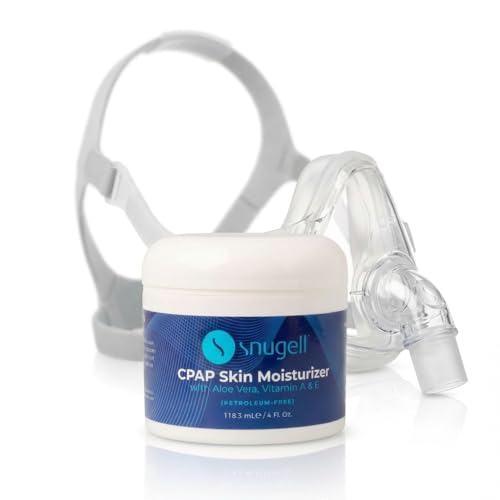
If you use a CPAP or BiPAP machine and notice your skin feeling dry or irritated from nightly mask contact, Snugell CPAP Face Cream offers a petroleum-free solution built to protect sensitive facial skin without clogging pores. I’ve found it works well under any mask type, including nasal and full-face models from ResMed or Fisher & Paykel. Its fragrance-free formula contains aloe vera, vitamins A and E, and soothing allantoin to hydrate and help repair skin. Ingredients like sunflower oil and propanediol lock in moisture, while it avoids irritants that could worsen sensitivity. Made in the USA, this 4 fl oz cream supports daily care, helping maintain skin comfort and integrity over time.
Best For: CPAP and BiPAP users experiencing dry, irritated facial skin from nightly mask use who need a non-comedogenic, soothing moisturizer.
Pros:
- Petroleum-free and fragrance-free formula ideal for sensitive skin exposed to CPAP masks
- Contains skin-repairing ingredients like aloe vera, vitamins A and E, and allantoin
- Compatible with all mask types and safe for daily use without clogging pores
Cons:
- Contains triethanolamine, which may irritate some individuals with extreme sensitivity
- Includes ethylhexyl palmitate, a potential comedogenic ingredient for acne-prone skin
- Limited quantity (4 fl oz) may require frequent repurchasing for long-term users
Snugell CPAP Skin Moisturizer (4 Fl Oz Pack of 2)

Snugell CPAP Skin Moisturizer works best for those who wear a CPAP or BiPAP mask nightly and struggle with dry, irritated facial skin from constant contact. I’ve found it hydrates deeply without clogging pores or leaving a greasy film, thanks to ingredients like aloe vera, sunflower oil, and vitamins A and E. It absorbs quickly, so I can apply it before bed without worrying about residue on my mask. The formula’s petroleum-free, fragrance-free, and non-irritating, which helps me avoid breakouts or sensitivity. Since it’s made in the USA with skin-friendly preservatives and natural humectants, I trust it for long-term use.
Best For: CPAP and BiPAP users who experience dry, irritated facial skin from nightly mask use and seek a non-greasy, petroleum-free moisturizer to maintain skin health.
Pros:
- Deeply hydrates and soothes skin with nourishing ingredients like aloe vera, sunflower oil, and vitamins A and E
- Fast-absorbing, non-greasy formula that won’t interfere with mask seal or cause breakouts
- Petroleum-free, fragrance-free, and non-irritating, making it safe for sensitive skin
Cons:
- May not provide sufficient moisture for individuals with severely dry or eczema-prone skin
- Contains phenoxyethanol as a preservative, which some natural skincare enthusiasts may wish to avoid
- Priced higher than standard facial moisturizers, which may be a barrier for some users
Mars Wellness CPAP Gel Skin Protectant (2-Pack)

The Mars Wellness CPAP Gel Skin Protectant (2-Pack) works best for people who wear CPAP masks nightly and struggle with dry, chafed skin along the seal areas. I apply a small amount before bed along my mask line, and it soothes my skin without clogging pores or irritating sensitive areas. The 1oz tube is compact, making it easy to use precisely, and the non-damaging formula won’t harm my mask’s seal. I’ve noticed less redness and chafing since using it consistently. It also helps if I apply it inside my nostrils or after removing the mask. The gel supports comfort, which helps me sleep more soundly-and that makes sticking with CPAP therapy easier over time.
Best For: People who wear CPAP masks nightly and experience dry, chafed, or irritated skin along the mask seal line.
Pros:
- Provides effective moisturization for dry, cracked skin and helps prevent chafing caused by CPAP mask pressure
- Non-damaging formula preserves CPAP mask integrity while allowing for precise application
- Can be used before and after CPAP use, including inside nostrils, to enhance comfort and support better sleep
Cons:
- May not be necessary for users who do not experience skin irritation from CPAP mask use
- Gel consistency might feel unusual to first-time users, especially when applied inside nostrils
- Single 1oz tube size, while convenient, may require frequent repurchasing with daily use
Welmedix Fragile Skin Protective Ointment (Pack of 3)

I rely on Welmedix Fragile Skin Protective Ointment when my skin feels raw from nightly CPAP use, especially if I’ve struggled with redness, chafing, or moisture buildup around the mask seal. Developed by nurses, it combines medicated petrolatum with soothing aloe, calendula, and coconut oil to heal and protect. It forms a breathable barrier that locks in moisture while letting skin breathe, which helps prevent irritation. I use it daily on my nose, cheeks, and jaw-areas most exposed to mask friction. It’s fragrance-free, works for sensitive skin, and applies smoothly without greasiness. Made in the USA, it’s reliable for long-term care.
Best For: Individuals with sensitive or fragile skin who need a protective, healing ointment for areas exposed to medical devices, moisture, or irritation, such as CPAP users or those managing chronic skin conditions.
Pros:
- Forms a breathable, protective barrier that locks in moisture while allowing skin to heal naturally
- Contains soothing, natural ingredients like aloe vera, calendula, and coconut oil alongside medicated petrolatum for enhanced skin repair
- Fragrance-free, non-greasy, and safe for daily use on sensitive areas including the face, hands, and eyelids
Cons:
- May feel heavy or occlusive for those who prefer light moisturizers or lotions
- Petrolatum-based formula may not appeal to users avoiding petroleum-derived ingredients
- Sold in a pack of three, which could be excessive for individuals needing only short-term or occasional use
Nasal Moisturizer Gel for Dryness Relief

If you use a CPAP, BiPAP, or oxygen therapy and struggle with dry nasal passages, cracking, or frequent nosebleeds, a non-medicated nasal moisturizer gel like Aquegel can be a game-changer. I’ve found it delivers long-lasting relief thanks to its time-released base, which dissolves with body heat to steadily release water-up to 12 hours per use. It’s water-based, contains no salt, and actually adds moisture instead of drawing it out, unlike saline sprays. A single jar lasts 30–45 days and won’t damage equipment or interfere with treatment. It forms a protective barrier to help prevent nosebleeds and is safe for daily, long-term use.
Best For: Individuals using CPAP, BiPAP, or oxygen therapy who suffer from dry nasal passages, cracking, or frequent nosebleeds.
Pros:
- Provides up to 12 hours of continuous moisture relief per application with a time-released, water-based formula
- Non-medicated, non-flammable, and safe for long-term use without damaging respiratory equipment
- Forms a protective barrier to help prevent nosebleeds and does not draw moisture from nasal tissues like saline products
Cons:
- May require precise application to ensure even coverage and optimal effectiveness
- Not a medicated solution, so it does not treat underlying infections or inflammatory conditions
- Higher upfront cost compared to basic saline sprays, though lasts 30–45 days
Factors to Consider When Choosing a Cream for CPAP Irritation
You’ll want to choose a cream that’s gentle on your skin, especially if you have sensitivities or notice redness from your CPAP mask. Make sure the product is safe for use with your equipment and won’t break down the silicone or plastics over time. Look for key ingredients like ceramides or panthenol, pick a fragrance-free formula, and go for one that’s easy to apply right before bed without greasing up your mask.
Skin Sensitivity Considerations
A good night’s sleep shouldn’t come at the cost of irritated skin, especially when using CPAP therapy. If you have sensitive skin, pick a cream that’s fragrance-free and hypoallergenic to lower your risk of reactions. Look for soothing ingredients like aloe vera, allantoin, or panthenol-they help calm inflammation and strengthen your skin’s natural barrier. Avoid parabens, petroleum, and artificial fragrances, since cay can worsen sensitivity or clog pores. Instead, choose a non-comedogenic, lightweight formula that absorbs quickly without leaving a greasy feel. Creams with dimethicone or silicone are clinically shown to form a protective layer while staying gentle on delicate skin. These features make them reliable for nightly use. Always patch-test new products and give them a few nights to see how your skin responds.
Compatibility With Cpap Equipment
While protecting your skin, you’ll also want to make sure your moisturizer won’t harm your CPAP equipment. Choose a cream labeled safe for medical devices, so it won’t damage silicone, plastic, or rubber parts. Avoid petroleum-based formulas, since they can break down mask seals and cushions over time, weakening the fit and reducing effectiveness. Instead, go for non-greasy, lightweight options that won’t leave residue on the mask surface-this helps maintain a tight seal and prevents air leaks. Pick fragrance-free, gentle products without harsh chemicals, which protects both your gear and your airways. Make sure the cream works with both silicone and plastic materials, since most masks use a blend. Using a compatible moisturizer means your therapy stays reliable night after night.
Key Ingredients To Seek
Choosing a cream that works well with your CPAP gear is just the first step-now focus on what goes into the formula. Look for aloe vera to soothe and hydrate skin stressed by nightly device contact. Add creams with vitamins A and E to your routine, since they help repair skin and prevent dryness in delicate facial zones. Pick products with dimethicone or silicone-based ingredients-they form a breathable shield that reduces friction and holds in moisture. Allantoin is another key ingredient; it calms irritated skin and supports healing, especially useful if you deal with dryness or cracks. Don’t skip panthenol or natural oils, which boost hydration, maintain your skin’s barrier, and improve elasticity. These components work together to protect your skin night after night, letting you focus on rest without discomfort. Choosing wisely now can make your CPAP use more comfortable long term.
Application Ease And Timing
Since you’re already committed to nightly CPAP therapy, making your skincare routine just as reliable can help prevent irritation without adding hassle. Apply moisturizer daily, either before bed or right after removing your mask, to boost absorption and support skin repair. Use a thin, even layer on contact areas-this prevents buildup that could disrupt your mask seal or lead to slipping. Pick fast-absorbing, non-greasy formulas so you won’t wait long before wearing your mask and reduce the chance of transferring product to your pillow. Reapply after therapy if your skin feels dry or sore, helping restore the moisture barrier. Look for creams with time-released hydration to maintain protection all night with just one application. These features simplify your routine while improving comfort and skin health over time.
Fragrance And Additive Safety
What if your CPAP cream could protect your skin without triggering reactions? Choose fragrance-free formulas to reduce irritation, especially if you have sensitive skin or scent sensitivities. You’ll want to skip additives like parabens and artificial fragrances-they can cause allergic reactions and harm long-term skin health. Instead, pick hypoallergenic and non-comedogenic creams that won’t clog pores or spark inflammation, even with nightly use. Look for preservatives like phenoxyethanol and ethylhexylglycerin, used in low levels to keep the product safe without irritating your skin. Always go for unscented over deodorized options. Deodorized products often contain masking fragrances that might still cause issues. By selecting clean, thoughtfully formulated creams, you protect your skin while supporting consistent CPAP use-without adding new problems.
Frequently Asked Questions
Can I Use These Creams With Any CPAP Mask Type?
Yes, you can use these creams with any CPAP mask type, whether it’s nasal, full face, or nasal pillows. They’re designed to work alongside silicone and gel seal materials without degrading them. Just apply a thin layer to clean, dry skin before bedtime. Most are non-comedogenic and fragrance-free, reducing irritation risks. Patch test first, and check manufacturer guidelines to guarantee compatibility with your mask’s material and warranty.
Are These Products Safe for Sensitive Facial Skin?
Yes, you can use these creams safely if you have sensitive facial skin-they’re typically fragrance-free and hypoallergenic. You’ll want to spot-test first to check for reactions. Most are made with gentle ingredients like aloe or ceramides that support your skin’s barrier. They work well with silicone, gel, and foam mask types, so you won’t need to switch gear. Many brands offer sample sizes or money-back guarantees, making it low-risk to try.
Do Any of These Creams Interfere With CPAP Seal Performance?
You should let creams fully absorb before using your CPAP to avoid interfering with the seal. Thicker ointments like petroleum jelly can disrupt the mask’s fit if not fully set. Lightweight, non-greasy formulas are less likely to cause issues. Always patch-test and apply sparingly at first. Many brands offer trial sizes so you can test compatibility. Clean your mask regularly to prevent residue buildup.
How Often Should I Apply CPAP Irritation Creams Daily?
You should apply CPAP irritation creams once or twice daily, usually after cleaning your face and before wearing the mask. If you have sensitive skin or notice redness, applying a thin layer in the morning and at night helps maintain a protective barrier. Use the smallest effective amount to avoid residue. Always let the cream absorb fully before placing the mask on to prevent slippage and maintain a proper seal.
Are These Creams Safe if Inhaled Accidentally During Sleep?
You’re safe if you accidentally inhale a small amount of these creams during sleep-they’re made with non-toxic, skin-safe ingredients. Most are fragrance-free and hypoallergenic, so they won’t irritate your airways. Still, avoid applying too much right before bed to reduce any risk. Always check labels for aerosol or volatile components. If you have concerns, test one product at a time and watch for any reactions over a few nights.