The Impact of Room Temperature on Sleep Stage Duration
Your body cools down at night to help you fall and stay asleep, especially during deep sleep stages. Keeping your room between 60–67°F supports this drop in core temperature, improving sleep onset and duration. Heat disrupts deep sleep more than cold, often causing restlessness and reduced recovery. Fans, breathable bedding, or cooling pads can help maintain balance. For those with sleep issues, adjusting room temperature could make a real difference-and there’s more to reflect on when optimizing your sleep environment.
Notable Insights
- Cooler room temperatures between 60–67°F support longer deep sleep by aligning with natural drops in core body temperature.
- High bedroom temperatures increase thermal stress, reducing slow-wave sleep duration and causing frequent awakenings.
- Heat disrupts sleep more than cold, leading to greater sleep fragmentation and impaired restorative sleep stages.
- Optimal thermoregulation during the first half of the night enhances sleep stage stability and overall sleep quality.
- Cooling strategies like fans, breathable bedding, and temperature-regulating mattresses help maintain ideal conditions for uninterrupted sleep stages.
What Your Body Temperature Does During Sleep
Usually, your body temperature starts dropping a little as evening approaches, and this natural shift helps signal that it’s time to sleep. This is part of your body’s thermoregulation cycles, which respond to light, activity, and hormonal cues. As night deepens, circadian drops in core temperature help maintain deeper stages of sleep, especially during the first half of the night. Your skin may feel warmer as blood vessels dilate to release heat, aiding this process. These changes aren’t automatic for everyone-some people, especially those with sleep disorders, may experience disrupted thermoregulation cycles. Monitoring sleep patterns with wearable devices can help identify issues tied to circadian drops. Though room temperature will be discussed later, know that your body’s internal cooling must happen regardless of environment. Supporting these natural cycles can improve sleep quality without supplements or aids. Using room temperature devices can help maintain an optimal sleep environment that aligns with your body’s natural thermoregulation.
The Ideal Room Temperature for Better Sleep
While your body naturally cools down at night to support sleep, keeping your bedroom at the right temperature can make a big difference in how well you rest. For most people, a room between 60 and 67 degrees Fahrenheit offers the best thermal comfort, helping you fall asleep faster and stay asleep longer. This range supports your body’s natural drop in core temperature, improving overall sleep quality. Your sleep environment plays a key role-too warm or too cool, and you may wake often or struggle to reach deeper stages. Using breathable bedding, lightweight pajamas, or a temperature-regulating mattress can help maintain balance. Some find smart thermostats or cooling pillows useful for consistent conditions. While individual needs vary, aiming for mild coolness usually works best. A small adjustment to your room’s temperature could be a simple, effective step toward better rest-no special devices or prescriptions needed.
Why Heat Ruins Your Deepest Sleep Stages
Heat disrupts your sleep most during the deep stages, when your body needs a stable, cool environment to function properly. Thermal stress from high room temperatures interferes with sleep architecture, reducing time spent in restorative slow-wave sleep. Your body can’t cool down efficiently, causing subtle awakenings you might not remember. This imbalance affects how refreshed you feel. Consider using a cooling mattress pad to maintain optimal sleeping conditions. Below is a comparison of sleep conditions under different temperatures:
| Room Temp (°F) | Deep Sleep Duration | Thermal Stress Level |
|---|---|---|
| 60 | High | Low |
| 68 | Moderate | Low to Moderate |
| 72 | Reduced | Moderate |
| 75 | Low | High |
| 80 | Very Low | Very High |
Maintaining a cooler room supports deeper sleep stages. Consider breathable bedding and moisture-wicking pajamas to manage heat. Some sleep trackers detect temperature trends-use them to adjust settings gradually. Trial adjustments over a week can clarify what’s best for your sleep architecture.
Cold Vs. Hot Rooms: Which Hurts Sleep More?
What really keeps you from sleeping better-cold or heat? Research suggests heat hurts sleep more than cold. While a chilly room might slow sleep onset slightly, excessive heat increases sleep fragmentation, making your rest lighter and more disrupted. Your body needs to lower its core temperature to enter deep sleep, and a hot room fights that process. Cold rooms, though uncomfortable for some, don’t interfere as deeply with sleep stages. If you’re choosing between the two, most people tolerate cool better than warm. Fans or breathable bedding can help offset cold, but heat is harder to manage without AC. For those with sleep disorders, maintaining a cooler room often improves continuity. Consider monitoring your bedroom temperature and adjusting it gradually to see what reduces awakenings. Many sleep trackers now include environmental sensors to help identify ideal conditions, and some come with trial periods so you can test changes without risk.
Science-Backed Bedroom Cooling Tips
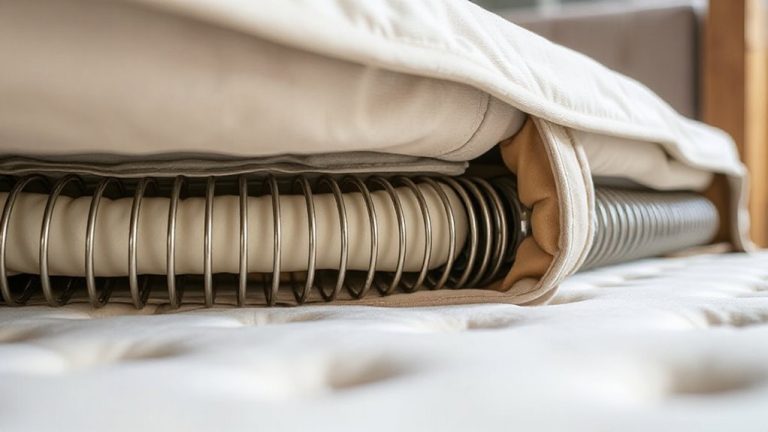
How can you keep your bedroom cool enough to support uninterrupted sleep? Start by setting your thermostat between 60–67°F, the range most conducive to maintaining stable sleep stages. Use breathable, moisture-wicking bedding to reduce heat retention and help regulate bedroom humidity. Consider a fan or air purifier with a cooling feature-many models offer timers and adjustable speeds for quiet, energy-efficient performance. If you live in a humid climate, a dehumidifier can improve air quality and comfort, preventing stuffiness that disrupts rest. Choose a mattress and pillow that support proper sleep posture while allowing airflow, such as gel-infused foam or slatted bases. Wear lightweight pajamas or sleep nude to enhance heat dissipation. Close blinds during the day and open windows at night if outdoor temps allow. Test small changes first and track how they affect your sleep quality over a week. For targeted cooling, consider using a best cooling mattress pad to draw heat away from your body during the night.
Room Temp Adjustments for Shift Work and Aging
Why might your bedroom feel too warm or too cool at unusual hours, especially if you’re adjusting to night shifts or noticing changes in sleep as you age? Shift work disrupts your natural rhythm, causing circadian misalignment, which can alter your body’s temperature cues for sleep. Your core temperature may not drop as expected at night, making cooler room temps more important-even during daytime sleep. As you age, a metabolic slowdown reduces heat production, so you might feel colder at night or struggle to stay asleep if the room’s too cool. Setting your thermostat between 60–67°F (15–19°C) helps, but personal needs vary. Consider breathable bedding, layered clothing, or a temperature-regulating mattress pad. Test adjustments gradually, noting how your sleep continuity and alertness improve. Many cooling products offer trial periods, letting you assess comfort without risk. Monitor changes over a few weeks to find what supports restful, uninterrupted sleep.
On a final note
You’ll sleep better when your room stays cool, around 60–67°F, because your body naturally drops its temperature at night. Too much heat disrupts deep sleep, while mild cold is easier to adjust for with bedding. If you shift work or age, slight cooling adjustments may help match your body’s changing rhythms. Try breathable sheets, a fan, or a mattress with cooling gel-features that improve airflow. Test changes for a few nights, since personal comfort varies. Many sleep aids offer trial periods, so use them to find what works.