How Sleep Cycle Length Predicts Sleep Quality Better Than Total Hours
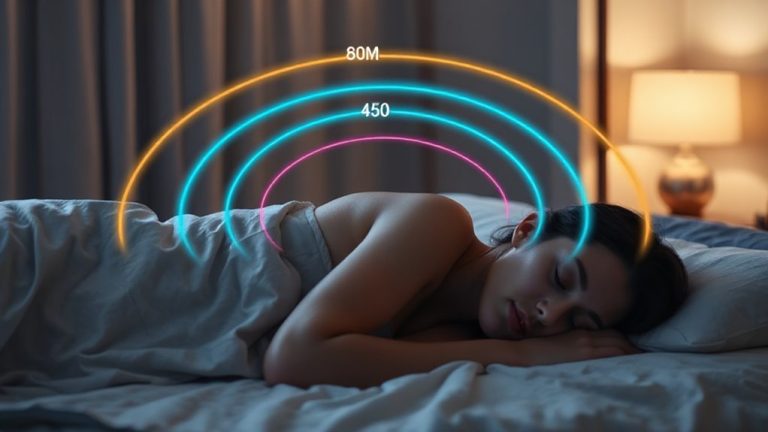
Your sleep quality depends more on cycle length than total hours because waking at the end of a 90-minute cycle reduces grogginess and boosts alertness. Each cycle includes light, deep, and REM sleep, with deep sleep restoring your body and REM sharpening your mind. Interrupting a cycle, especially in deep or REM stages, causes sleep inertia. Tracking your personal cycle with wearables helps time your sleep better. Small adjustments can make a big difference-there’s more to discover about syncing with your body’s rhythm.
Notable Insights
- Sleep quality depends more on completing full cycles than on total hours slept.
- Waking at the end of a cycle reduces sleep inertia, enhancing morning alertness.
- Individual cycle length varies, so fixed sleep durations may interrupt restorative stages.
- Aligning bedtime with personal cycle timing improves deep sleep and REM efficiency.
- Tracking cycles reveals optimal sleep windows, leading to more restful sleep than hour-based schedules.
Why Sleep Cycles Beat Rigid Sleep Schedules
Ever wonder why you feel groggy even after eight hours of sleep? It’s often because rigid schedules ignore your natural sleep cycles. When you align sleep with your body’s rhythm, you boost sleep efficiency-more rest in less time. Waking mid-cycle leaves you sluggish, but timing sleep to end at a cycle’s natural close helps you rise alert. That’s where circadian flexibility matters. Your internal clock adapts to light, routine, and habits, meaning slight shifts in bedtime aren’t harmful if cycles stay intact. Tracking cycles with apps or wear ings helps identify ideal windows. Adjustable sleep times support consistency without rigidity. Devices offering cycle tracking often include trial periods and performance insights, so you can test what works. Focus on completing full 90-minute cycles instead of fixed hours. This approach suits shift workers or changing routines. The result? Better rest, fewer disruptions, and smarter use of your body’s built-in patterns.
What Happens in Light, Deep, and REM Sleep
What exactly goes on in your brain and body as you sleep? Your sleep architecture shifts through light, deep, and REM stages, each with unique brain activity and physical effects. Light sleep is your entry point-your breathing slows, muscles relax, and brain activity begins to decrease. It’s easy to wake from this stage, but it helps your body move into deeper rest. Deep sleep is more restorative: brain activity drops to slow waves, tissue repairs, and immune function strengthens. Waking during deep sleep often leaves you groggy. Finally, REM sleep brings increased brain activity, vivid dreams, and temporary muscle paralysis-your mind processes memories and emotions. Each cycle lasts about 90 minutes and repeats through the night. Quality sleep depends on completing these phases in balance, not just hitting a certain number of hours. Understanding these stages helps you assess sleep aids or treatments if disruptions occur.
How Waking Mid-Cycle Drains Energy
You’re more likely to feel sluggish in the morning not because you slept too little, but because you woke up in the middle of a sleep cycle, especially during deep or REM sleep. Waking during these stages triggers sleep inertia, a groggy state where your brain struggles to shift from sleep to wakefulness. This can last minutes or stretch into hours, often bringing brain fog that clouds judgment and slows reactions. Sleep inertia affects focus, mood, and performance, making decisions harder and tasks feel more draining. Even with eight hours in bed, interrupting a cycle can leave you feeling unrested. Aligning wake times with the end of a 90-minute cycle may reduce these effects. Tracking patterns helps identify ideal rise times. For some, smart alarms that detect movement near cycle ends offer support. Consider timing over total hours when improving rest.
Measure Your Personal Sleep Cycle Length
How long does your body actually take to complete a full sleep cycle? It’s not the same for everyone-most people range between 80 and 120 minutes, and knowing your personal length can improve sleep quality. With sleep tracking apps or wearable devices, you can gather data over several nights to identify your pattern. These tools monitor movement, heart rate, and sometimes brain activity to estimate stages. Because of natural cycle variance, one night might differ slightly from the next, so consistency in tracking matters. Consider using a device with a trial period to test its accuracy before committing. A reliable sleep tracking device can provide detailed insights into your sleep architecture over time. Below is a comparison of tracking methods:
| Method | Tracks Cycle Variance? | Avg. Accuracy |
|---|---|---|
| Wearables | Yes | High |
| Apps (phone) | Limited | Medium |
| Sleep labs | Yes | Very High |
This helps you understand your body’s rhythm for better rest decisions.
Wake Up at the End of a Cycle
Ever wonder why you sometimes wake up feeling refreshed, while other times you’re groggy even after eight hours? It’s likely because you woke in the middle of a sleep cycle instead of at the end. Waking during deep sleep increases sleep inertia, that groggy, disoriented feeling that can last hours. But if you wake at the end of a cycle, you’re more likely to rise alert and clear-headed. This timing also affects dream recall-people often remember dreams better when waking from REM, which happens at cycle’s end. You don’t need special sleep aids to track this; you can note when you feel rested and adjust gradually. Consistency matters more than perfection. Aligning wake times with cycle completion supports natural rhythms, reduces sleep inertia, and improves overall sleep quality without drugs or devices. It’s a simple, evidence-backed shift with measurable benefits.
Time Your Bedtime for Full Cycles
Why do some nights of seven hours feel better than others of nine? It likely comes down to cycle timing. When you align your bedtime with your natural rhythm, you’re more likely to complete full 90-minute sleep cycles. This means waking at the end of a cycle, not mid-REM, which leaves you feeling refreshed. Proper bedtime alignment isn’t about fixed hours-it’s about timing. If you know when you must wake, count backward in 90-minute blocks to find ideal bedtimes. For example, a 6 a.m. rise means sleeping by 10:30 p.m. or midnight gives you five or four cycles, respectively. Small shifts in cycle timing can improve sleep quality markedly. Trial different bedtimes for a week and track energy levels. There’s no one-size-fits-all, but consistent bedtime alignment supports deeper rest and easier wake-ups over time.
On a final note
You’ll feel more refreshed by aligning sleep with full cycles, not just counting hours. Most people cycle every 90 minutes, but your length may vary slightly. Use sleep trackers to spot your pattern, then adjust bedtime so alarms hit cycle ends. Waking in deep sleep leaves you groggy, even after eight hours. Test adjustments over two weeks. Many trackers offer free trials and detailed cycle reports, helping you decide what timing-or tools-work best without relying on pills or rigid rules.