How Chronic Poor Sleep Accelerates Osteoarthritis Development in Weight-Bearing Joints
Chronic poor sleep ramps up joint inflammation by disrupting cytokine balance and weakening your body’s ability to handle oxidative stress, which harms cartilage. Without deep sleep, tissue repair slows and growth hormone release drops, impairing joint recovery. Poor sleep also raises hunger hormones, leading to weight gain that stresses knees and hips. Fatigue reduces movement, worsening stiffness. Consistent bedtimes, limiting screens, and using FDA-cleared sleep aids or wearables may help-options with trial periods let you test what supports your joint health best.
Notable Insights
- Chronic poor sleep disrupts cytokine balance, increasing joint inflammation and accelerating cartilage breakdown in weight-bearing joints.
- Reduced deep sleep limits growth hormone release, impairing overnight repair of joint tissues and micro-damage.
- Sleep loss promotes weight gain by disrupting hunger hormones, increasing mechanical load on knees and hips.
- Persistent fatigue from poor sleep decreases physical activity, leading to joint stiffness and weakened support muscles.
- Conditions like sleep apnea, often linked to poor sleep, exacerbate oxidative stress and systemic inflammation in joints.
How Poor Sleep Increases Joint Inflammation
While you might not immediately connect your restless nights to joint pain, poor sleep can gradually worsen inflammation in your body, especially in the joints already affected by osteoarthritis. You see, disrupted sleep patterns contribute to cytokine imbalance, shifting your immune response toward chronic inflammation. At the same time, the body’s ability to manage oxidative stress weakens, allowing free radicals to damage joint tissues more easily. Over time, this double hit amplifies discomfort and stiffness. If sleep issues persist, considering a sleep study might help identify underlying disorders like apnea. Simple changes-consistent bedtimes, reducing screen use, or trying FDA-cleared sleep aids with clear trial periods-can make a measurable difference. Some devices offer warranties or money-back guarantees, letting you test them with less risk. While no solution works for everyone, improving sleep quality may reduce inflammatory burden, supporting overall joint health without invasive steps.
Why Your Joints Can’t Repair Without Deep Sleep?
Your body counts on deep sleep to kickstart tissue repair, and without enough of it, your joints miss out on this nightly maintenance window. During deep stages of sleep cycles, your body ramps up tissue regeneration, repairing micro-damage in cartilage and connective tissues. If you’re not reaching these restorative phases consistently, that repair slows or stops. Deep sleep is when growth hormone peaks-key for rebuilding joint structures. Disrupted or shortened sleep cycles mean less time in this critical phase. Over time, unrepaired wear adds up, especially in weight-bearing joints like knees and hips. You might not notice it at first, but the long-term effects can speed up osteoarthritis. Prioritizing sleep quality helps maintain these repair processes. Consider tracking your sleep or consulting a provider if you struggle to stay in deep sleep. Some find sleep aids or adjustments to routine improve cycle consistency-trial options with professional guidance to support lasting joint health. Best sleep supplements for better rest can support deeper, more restorative sleep when used appropriately.
How Sleep Loss Leads to Weight Gain and Joint Stress
Even if you’re careful about diet and exercise, skimping on sleep can still tip the scales toward weight gain, and that extra weight increases pressure on your joints. Short sleep duration messes with hormones that control hunger, making you crave more calories. This triggers metabolic disruption, slowing how your body burns fuel and stores fat. Over time, even a few lost hours nightly can add pounds, especially around the abdomen, which worsens joint load. Your knees and hips bear the brunt-each extra pound adds up to four more on your knee with every step. If you’re struggling to sleep, tracking patterns with a wearable or talking to a doctor about possible sleep disorders can help. Some find relief using sleep aids or adjusting routines. Look for options with clear instructions, trial periods, or warranties so you can test what supports better rest without pressure.
How Tiredness Reduces Movement and Worsens Joint Pain
Lack of sleep doesn’t just add weight-it also saps your energy, making it harder to stay active, and that inactivity tightens joints and increases stiffness. You’re likely to feel more muscle fatigue, even with small movements, because your body hasn’t fully recovered. This tiredness cuts your stamina and creates a cycle where moving hurts more, so you move less. Your reduced motivation isn’t laziness-it’s your body responding to exhaustion. When you skip daily activity, joint lubrication drops and surrounding muscles weaken, worsening pain over time. Staying consistent with light movement, like walking or stretching, helps-even when motivation is low. Consider tracking sleep and activity patterns to spot links between rest, energy, and joint comfort. Some find wearables useful for monitoring sleep quality and daily activity levels. If fatigue persists despite efforts, discussing sleep disorders with a provider could uncover treatable causes. Addressing these can improve energy and movement over time.
Proven Sleep Habits That Support Joint Health
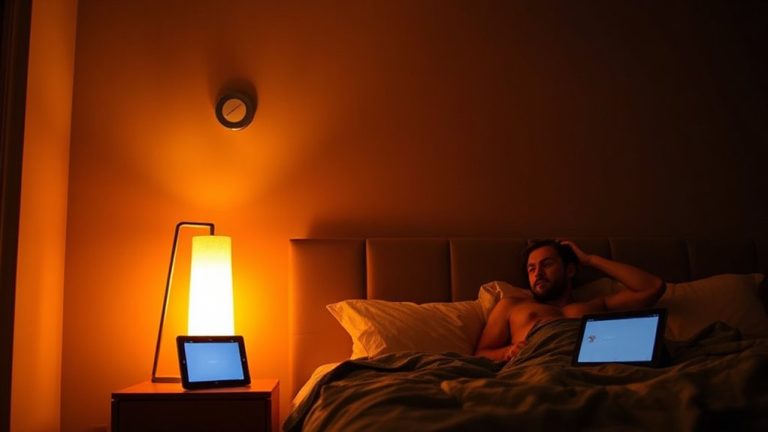
Why do some people wake up feeling refreshed while others rise with stiff, aching joints? The difference often lies in consistent sleep hygiene. You can support joint recovery by going to bed and waking up at the same time every day, even on weekends. This stabilizes your body’s repair cycles. Keep your bedroom cool, dark, and quiet-these conditions improve sleep quality and reduce nighttime joint discomfort. Avoid screens and caffeine at least an hour before bed, as they disrupt melatonin release. If you struggle with pain, try supportive pillows to align hips and knees. Over-the-counter sleep aids may help short-term, but check with your doctor first. Devices like white noise machines or weighted blankets can be effective, many come with trial periods or warranties. Good sleep hygiene isn’t perfection-it’s small, repeatable choices that help your joints heal while you rest. For those sensitive to environmental noise, consider using best ear plugs for noise reduction to maintain uninterrupted sleep.
On a final note
You need consistent, quality sleep to reduce joint inflammation and support tissue repair, especially in weight-bearing joints. Poor sleep fuels weight gain and limits movement, worsening stress on your knees and hips. Prioritize sleep habits like a regular bedtime and dark, cool rooms. Consider evaluating sleep disorders if problems persist. Some find mild sleep aids helpful, but check with your doctor, especially for long-term use, and weigh benefits against possible side effects and dependency risks.