Why Shift Work Sleep Disorder Can Lead to Chronic Sleep Deprivation
You’re more likely to end up chronically sleep-deprived with Shift Work Sleep Disorder because your body resists sleeping during the day and staying alert at night. Your natural rhythm, tied to light and dark, gets thrown off, making sleep shorter and fragmented. Even with time in bed, noise, light, and work demands disrupt rest. Consistent schedules and smart light use can help-but small changes often aren’t enough. If your sleep struggles persist, exploring stronger strategies may be worth considering.
Notable Insights
- Circadian misalignment disrupts the body’s natural sleep-wake cycle, making rest during daytime less restorative.
- Daylight exposure suppresses melatonin, reducing sleep drive and impairing daytime sleep quality.
- Environmental disturbances like noise and light increase sleep fragmentation during daytime rest periods.
- Shift workers often experience shorter sleep duration due to incompatible social and family schedules.
- Chronic sleep onset delay and sleep inertia perpetuate a cycle of insufficient and poor-quality sleep.
What Is Shift Work Sleep Disorder (SWSD)?
While your body naturally follows a 24-hour sleep-wake cycle tied to light and darkness, working night shifts or rotating schedules can throw that rhythm off, leading to what’s known as Shift Work Sleep Disorder (SWSD). You’re likely dealing with circadian misalignment, where your internal clock conflicts with work and sleep times, making it hard to stay alert on the job or fall asleep when you need rest. This often causes sleep fragmentation-your sleep gets broken up, leaving you with poor quality rest even if you’re in bed for eight hours. As a result, daytime sleep may feel light or restless, and nighttime wakefulness becomes exhausting. Over time, this pattern may require changes in sleep habits or environment. Simple adjustments like blackout curtains, white noise, or consistent sleep routines can help. Some try melatonin or light therapy, but check with a doctor first to guarantee safe, effective use.
Why Night Work Fights Your Body’s Natural Clock
Why does staying awake at night feel so much harder, no matter how long you’ve done it? Your body runs on a natural 24-hour cycle called the circadian rhythm, which primes you for alertness during the day and sleep at night. When you work nights, you’re going against this built-in system, causing circadian misalignment. This mismatch disrupts essential functions, including the release of melatonin, the hormone that signals sleep. Nightlight exposure worsens melatonin suppression, making it harder to stay alert during shifts. Over time, this strain may contribute to chronic fatigue and impaired performance. Some find support in light therapy or melatonin supplements, but timing matters-misuse can deepen circadian misalignment. Consider discussing options with a sleep specialist to weigh benefits, proper use, and potential side effects.
Why Daytime Sleep Feels Light and Broken for Shift Workers
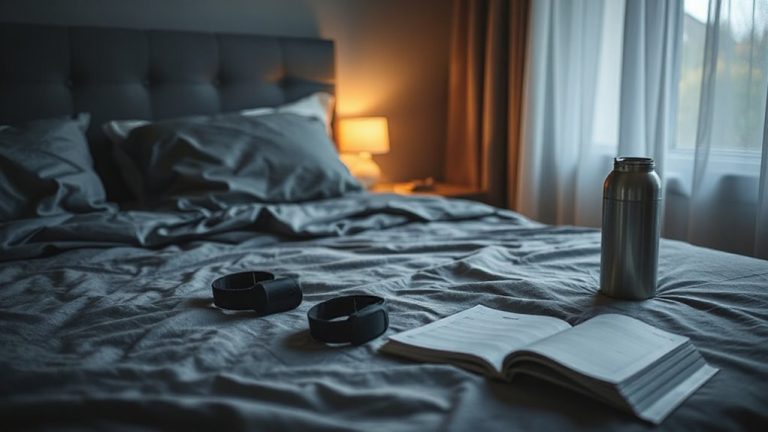
You’ve probably noticed that sleeping during the day doesn’t feel the same as sleeping at night, even after working nights for years. Your body’s still tuned to be alert in daylight, making daytime sleep lighter and more easily disrupted. A well-optimized sleep environment helps-think blackout curtains, cool room temperature, and white noise machines. These adjustments counteract noise interference from daytime activity, like traffic or neighbors, which can fragment rest. Even small sounds you don’t fully register can shift you into lighter sleep stages. Keeping your phone on silent and pets out of the bedroom adds protection. While no solution is perfect, combining good sleep hygiene with tools like eye masks or earplugs improves continuity. Trial different aids gradually and assess what supports longer, deeper rest. Many come with warranties, so test them risk-free. Over time, these changes may help you gain more restorative daytime sleep. For added comfort, consider upgrading to best bedding sheets for improved temperature regulation and skin feel.
Why You’re Tired but Wired: The SWSD Sleep-Awake Cycle
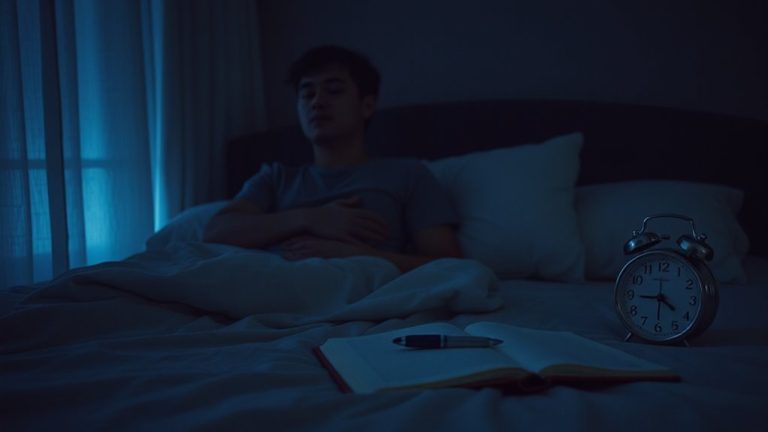
How does it feel to be exhausted yet unable to shut your mind off when it’s time to sleep? That’s the reality of Shift Work Sleep Disorder (SWSD). Your body wants rest, but circadian misalignment keeps your brain active when you need it to wind down. Even after dozing off, sleep inertia can leave you groggy upon waking, reducing alertness when you need it most. Light exposure, irregular schedules, and internal clock disruptions all feed this cycle.
| Stage | Effect |
|---|---|
| Night shift start | High alertness, unnatural timing |
| Pre-sleep | Mental hyperactivity despite fatigue |
| Sleep onset | Delayed due to circadian misalignment |
| Post-wake | Sleep inertia impairs functioning |
| Daytime rest | Fragmented, lighter sleep stages |
Managing light, routine, and rest environments can help align your rhythm. Some find carefully timed sleep aids useful-check with a provider to weigh benefits and side effects.
Health Risks of Long-Term Shift Work Sleep Disorder
Chronic exhaustion from long-term Shift Work Sleep Disorder quietly raises your risk for serious health problems. You may not notice it right away, but ongoing sleep disruption takes a toll. Metabolic disruption becomes more likely, increasing your chances of weight gain, insulin resistance, and type 2 diabetes. Your body struggles to regulate blood sugar and hormones when sleep schedules stay irregular. At the same time, cardiovascular strain builds up-your heart works harder, blood pressure stays elevated, and inflammation markers rise. Over time, these changes raise the risk of heart disease and stroke. Shift work doesn’t just affect energy levels; it impacts long-term health. Recognizing these risks helps you make informed choices about managing sleep quality, considering medical guidance, and evaluating whether adjustments to your schedule or sleep aids might support better rest and reduce future complications.
Science-Backed Sleep Tips for Night Shift Workers
What if better sleep after night shifts was possible with small, science-supported changes? You can reduce blue light exposure by wearing amber-tinted glasses 1–2 hours before bed, helping your body wind down. Avoid bright screens and sunlight in the morning using blackout curtains or a sleep mask, keeping cortisol spikes in check. Try scheduling sleep at the same time daily-even on days off-to strengthen your body’s rhythm. Caffeine is helpful if used early in your shift but avoid it within six hours of bedtime. Short naps (20–30 minutes) can improve alertness without grogginess. Consider melatonin supplements only after speaking with a doctor; they may support sleep onset but aren’t a long-term fix. Creating a quiet, cool sleep space improves consistency. These steps target real physiological barriers to rest.
On a final note
You might feel stuck, but adjusting your sleep environment and routine can help. Consider blackout curtains, white noise, and consistent sleep times-even on days off. If fatigue persists, talk to a doctor about possible sleep aids or light therapy. Many find relief with small, evidence-based changes. Check product warranties or trial periods before buying sleep tools. Your health matters, and support is available.